Dental implants are a trusted and long-lasting solution for replacing missing teeth. Unlike dentures or bridges, implants offer a permanent foundation that functions and feels like natural teeth. But just how long can you expect your dental implants to last? In this guide, we’ll explore the lifespan of dental implants, factors that influence their durability, and expert tips for maximizing their longevity.
Understanding the Lifespan of Dental Implants
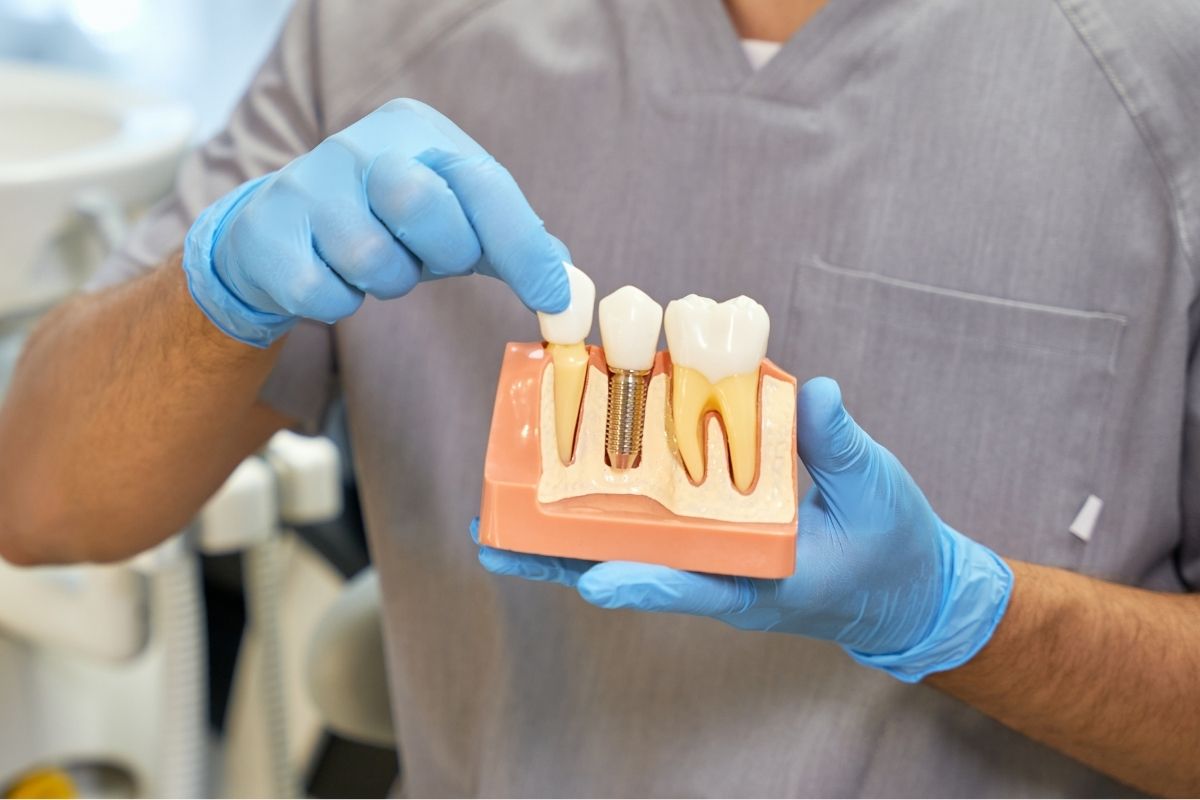
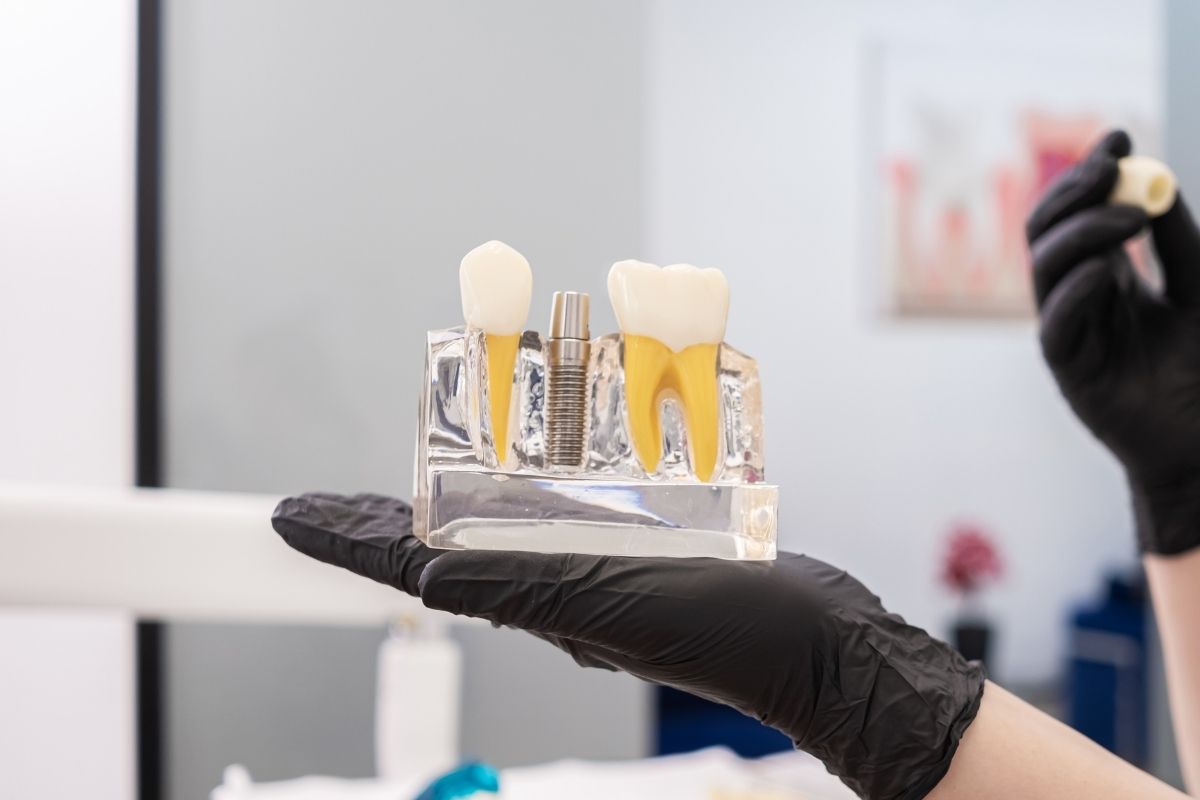
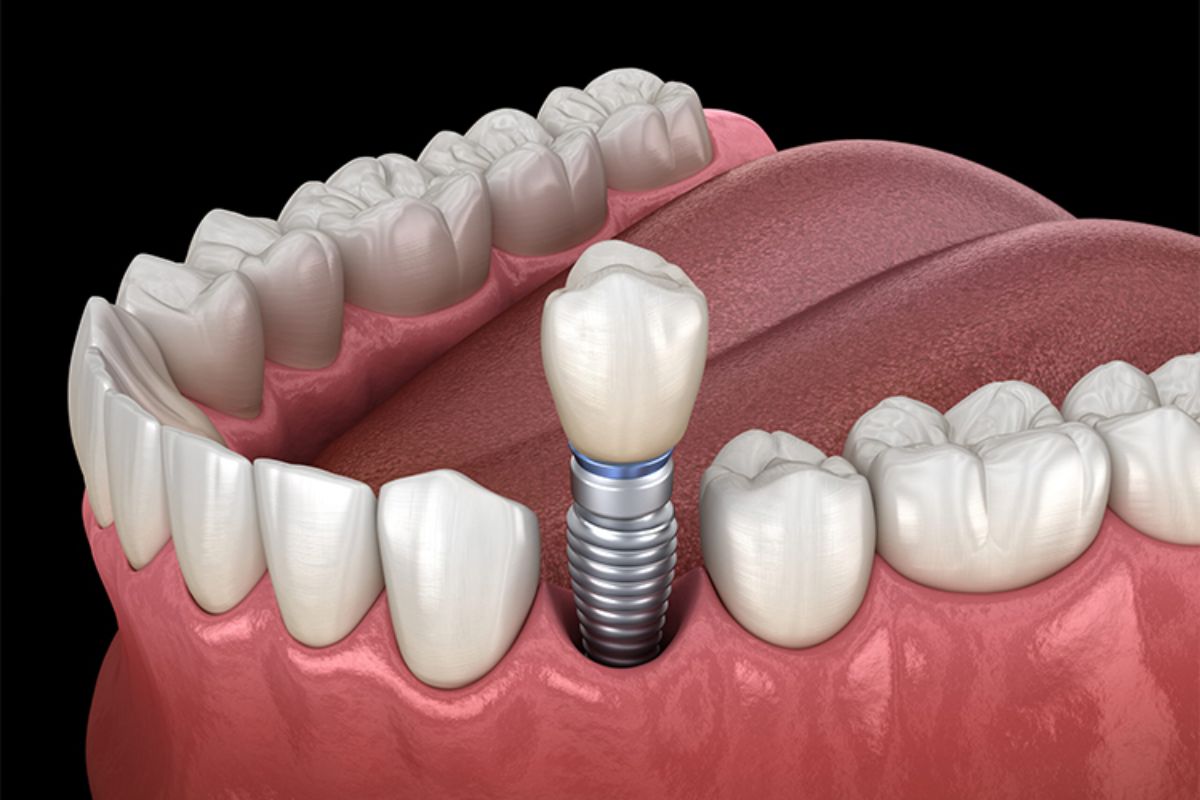
On average, dental implants can last 20 years or more, and many patients in Lakeland enjoy implants that last a lifetime with proper care. The implant’s titanium post fuses with your jawbone through a process called osseointegration, creating a stable and durable foundation for your new tooth.
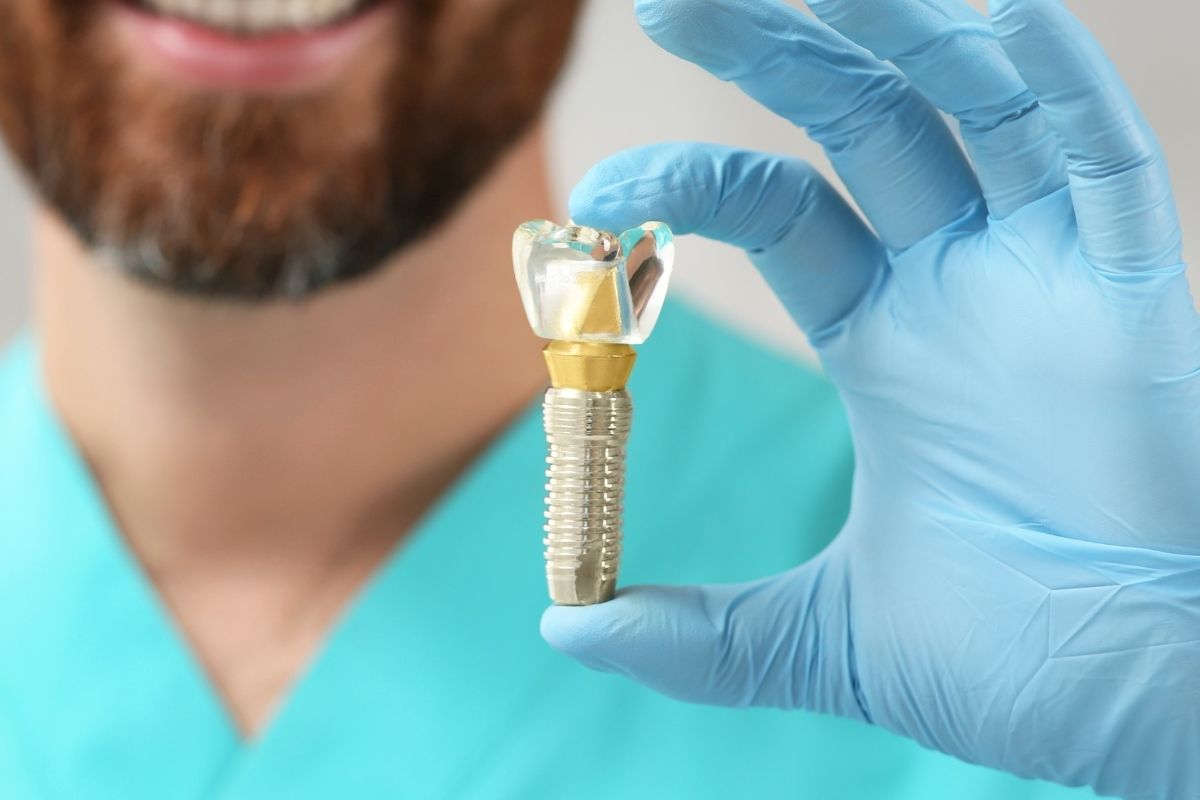
While the implant itself is designed to last indefinitely, the crown (the visible part of the tooth) typically needs replacement every 10 to 15 years due to normal wear. With proper dental care, your implant can remain strong and functional for many years.
Factors That Affect the Longevity of Dental Implants
Several factors influence how long your dental implants will last. Understanding these factors can help you make informed decisions and ensure the longevity of your dental work.
1. Oral Hygiene Practices
Maintaining excellent oral hygiene is critical. Just like natural teeth, implants require regular brushing, flossing, and professional dental cleanings to prevent infections like peri-implantitis, which can lead to implant failure.
2. Bone Health and Density
Dental implants rely on strong jawbone density for support. Bone loss due to untreated gum disease, trauma, or osteoporosis can compromise implant stability over time.
3. Lifestyle Choices
Smoking, excessive alcohol consumption, and poor dietary habits can negatively impact your oral health and reduce the lifespan of dental implants. Smoking, in particular, increases the risk of implant failure by restricting blood flow to the gums.
4. Teeth Grinding (Bruxism)
Chronic teeth grinding can exert excessive force on implants, leading to fractures or damage. A night guard can help protect your implants if you suffer from bruxism.
5. Regular Dental Check-ups
Routine visits to your dentist allow for early detection of any issues and ensure that your implants and surrounding tissues remain healthy.
Signs Your Dental Implant May Need Attention
While dental implants are designed to be durable, complications can sometimes arise. Watch for these signs that may indicate a problem:
- Persistent pain or discomfort
- Swelling, redness, or inflammation near the implant site
- Difficulty chewing
- Loosening of the implant or crown
If you experience any of these symptoms, contact your dentist in Lakeland promptly for a thorough evaluation.
How to Extend the Lifespan of Your Dental Implants
To maximize the longevity of your dental implants, follow these expert tips:
- Practice Excellent Oral Hygiene: Brush your teeth at least twice a day with a soft-bristled toothbrush and use non-abrasive toothpaste.
- Floss Daily: Special floss or interdental brushes designed for implants can help clean around the implant base.
- Use Antimicrobial Mouthwash: This can reduce bacteria buildup and prevent gum disease.
- Avoid Hard or Sticky Foods: Protect your implants by steering clear of foods that can cause damage.
- Wear a Night Guard: If you grind your teeth, use a night guard to prevent damage to your implants.
- Attend Regular Check-ups: Schedule dental visits every six months for professional cleanings and exams.
Conclusion
Dental implants offer a long-term solution for missing teeth, restoring both function and confidence. Patients in Lakeland who follow proper dental care routines can enjoy implants that last for decades.
Take the first step toward a confident smile. Contact Memphis Dentures and Implants and schedule an appointment to discuss your dental implant options and receive expert care tailored to your needs.
FAQs
How do I care for my dental implants?
Dental implants require care similar to natural teeth. Brush twice daily, floss daily with implant-friendly tools, use antimicrobial mouthwash, and visit your Lakeland dentist every six months for check-ups and professional cleanings.
Do dental implants feel like natural teeth?
Yes. Dental implants are anchored into your jawbone, providing stability and function similar to natural teeth. Most patients report that implants feel comfortable and allow them to eat, speak, and smile with confidence.
Are dental implants painful?
The implant procedure is usually performed under local anesthesia, minimizing discomfort. Some mild swelling or soreness may occur after the procedure, but it typically resolves within a few days. Your Lakeland dentist will provide post-operative care instructions to manage any discomfort.
Can I get dental implants if I have bone loss?
Yes. If your jawbone lacks sufficient density, your dentist may recommend a bone graft or other preparatory procedures to ensure successful implant placement.
How long does the dental implant procedure take?
The timeline varies. Implant placement, healing, and crown placement can take several months. Your dentist in Lakeland will provide a personalized treatment plan and timeline.