Dental implants are designed to restore the function and appearance of natural teeth, but proper healing after the procedure is essential. One of the most common questions patients ask is what foods they should avoid during recovery. After implant surgery, it is important to stay away from hard, crunchy, sticky, spicy, and very hot foods because they can irritate the surgical area or place pressure on the healing implant. Patients who follow these dietary precautions often recover more comfortably and protect the long term stability of their implant.
Many people exploring tooth replacement options in and around Lakeland want to know how to protect their new smile during the early healing period. A qualified prosthodontic specialist can provide detailed aftercare guidance, but understanding which foods to avoid is an important first step toward a smooth recovery.
Why Food Choices Matter After Implant Surgery
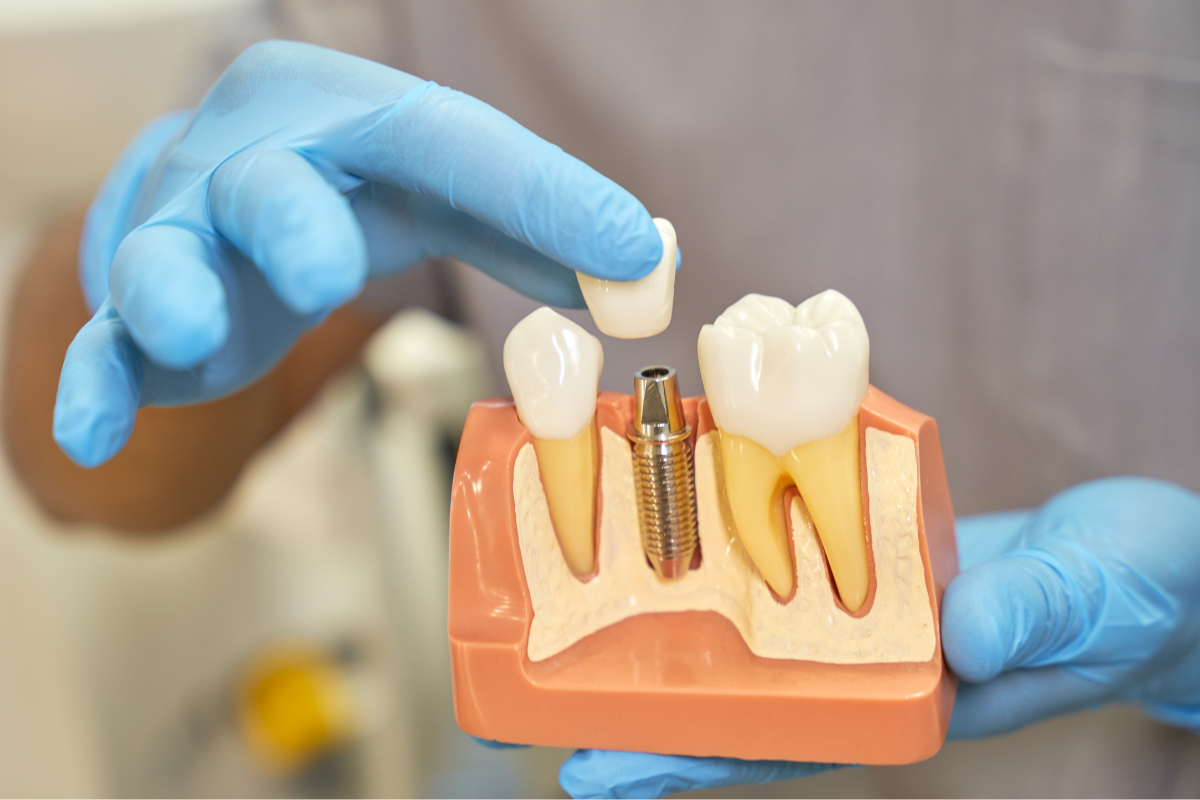
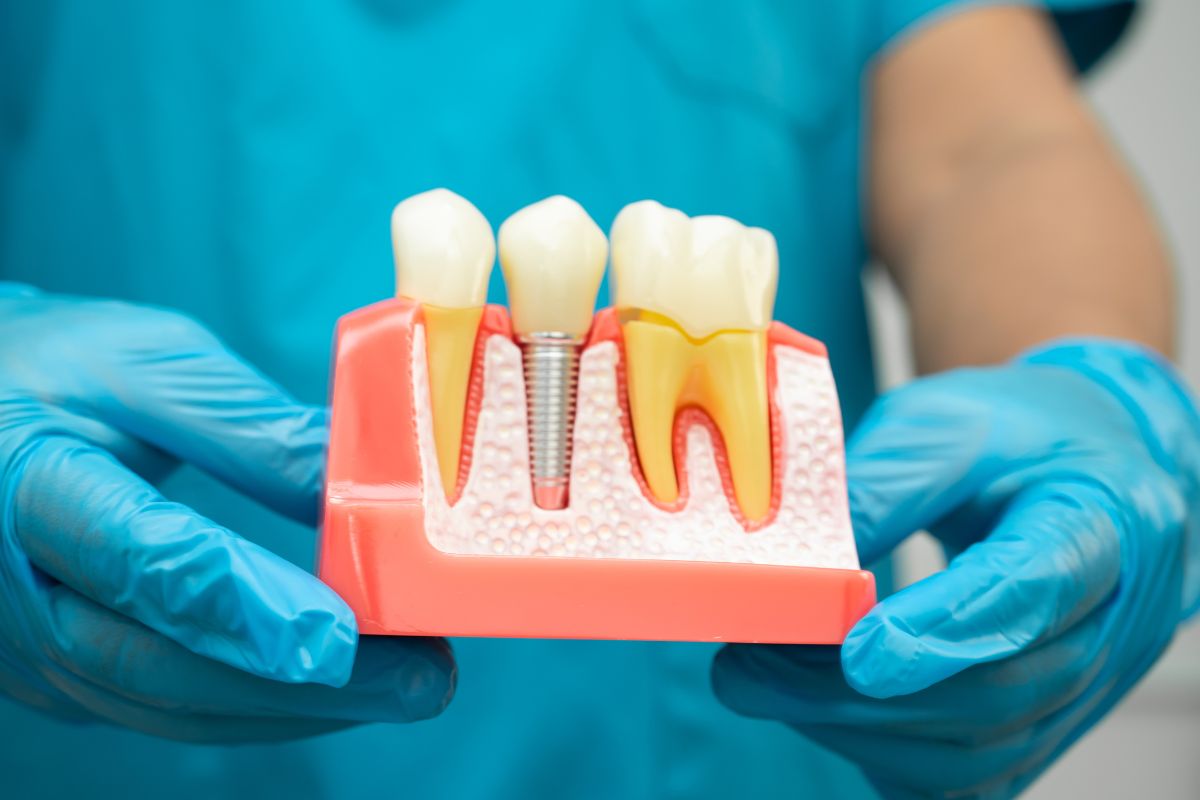
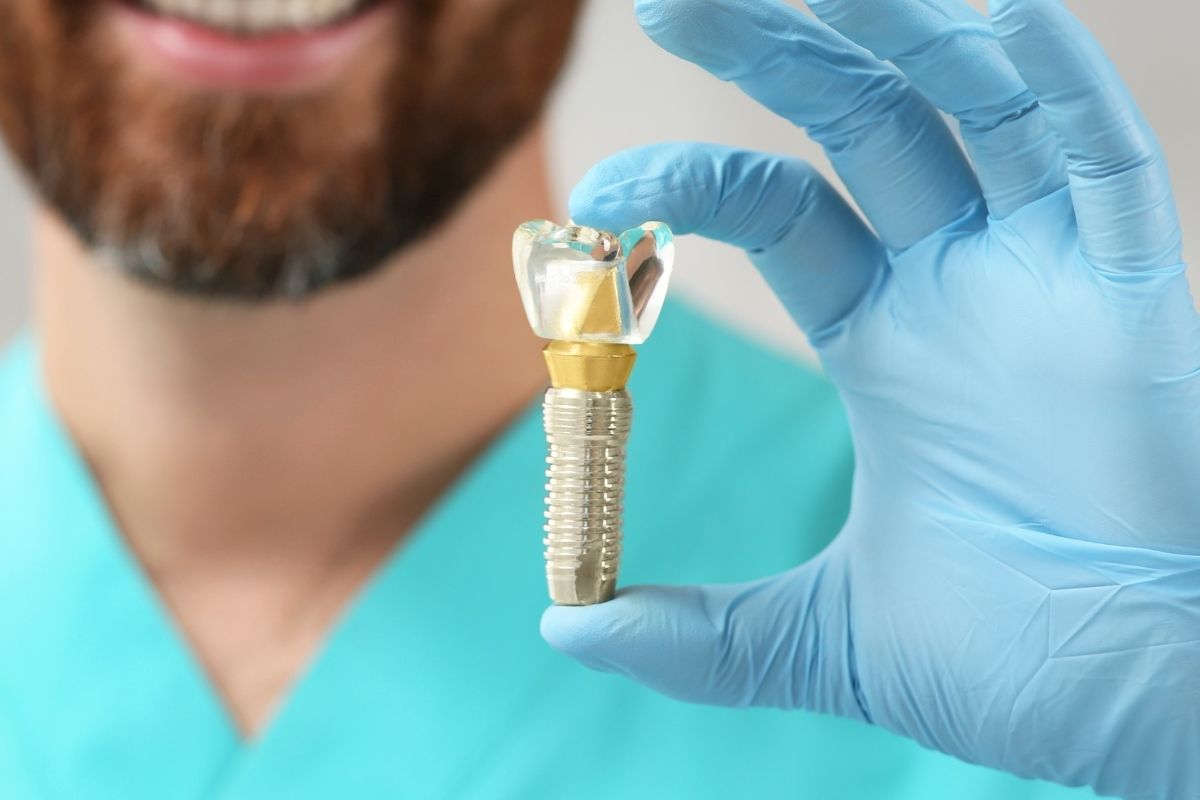
When dental implants are placed, a small titanium post is inserted into the jawbone where a tooth is missing. Over time, the bone gradually bonds with the implant through a process called osseointegration. This process creates a strong foundation that allows the implant supported tooth to function much like a natural tooth.
During the healing phase, the surrounding gum tissue and bone are still recovering from surgery. Foods that are too hard or difficult to chew can place pressure on the implant site and potentially slow the healing process. In some cases, food particles may also irritate the gums or increase the risk of infection if the area is not kept clean.
A thoughtful diet helps reduce stress on the surgical area while allowing the implant to integrate properly with the jaw.
Hard and Crunchy Foods
Hard foods are one of the biggest concerns after implant surgery because they require strong biting forces. Even if you feel comfortable chewing, excessive pressure can disturb the healing area.
Foods that should be avoided include nuts, popcorn, chips, hard candies, and raw vegetables such as carrots. Ice should also be avoided because biting down on it can place sudden pressure on the jaw.
Choosing softer foods during the early recovery period helps protect the implant site and reduces the risk of irritation.
Sticky Foods
Sticky foods can cling to teeth and gums, making them difficult to remove from around the surgical site. This may increase the chance of bacteria collecting near the implant area.
Examples of sticky foods include caramel, taffy, chewing gum, and other chewy candies. These foods can pull on the surrounding tissue and may cause discomfort while the gums are healing.
Maintaining a clean environment around the implant is essential for successful healing, which is why these foods should be avoided during the early stages of recovery.
Very Hot Foods and Beverages
Temperature can also affect healing. Very hot foods and beverages may irritate the surgical site and increase sensitivity in the surrounding tissue.
Hot coffee, tea, and soups should be allowed to cool before consumption. Lukewarm foods are generally more comfortable and less likely to cause irritation while the gums recover.
This simple precaution helps reduce swelling and allows the area to heal more comfortably.
Spicy and Acidic Foods
Spicy and acidic foods can create irritation in sensitive oral tissues following surgery. While these foods do not directly damage implants, they may cause a burning or stinging sensation near the surgical site.
Common examples include spicy sauces, chili peppers, citrus fruits, and tomato based dishes. Avoiding these foods during the initial healing period helps prevent unnecessary discomfort.
Once the gums have healed, most patients can gradually return to their normal diet without restrictions.
Alcohol and Carbonated Drinks
Alcoholic beverages and carbonated drinks should also be limited for a short time after implant surgery. Alcohol may interfere with the healing process and can interact with medications that are sometimes prescribed after oral procedures.
Carbonated beverages can create pressure in the mouth and may irritate the surgical area. Drinking water instead helps keep the mouth hydrated and supports healthy healing.
Patients who receive guidance from a trusted prosthodontist serving the Lakeland community are typically advised to focus on hydration and balanced nutrition during the recovery phase.
Foods That Are Easier on Healing Implants
Although certain foods should be avoided, many soft foods are comfortable to eat while the mouth heals.
Good options often include yogurt, mashed potatoes, scrambled eggs, oatmeal, smoothies, applesauce, and soft pasta. These foods require minimal chewing and are gentle on the gums.
A balanced diet that includes protein, vitamins, and minerals can also support tissue healing and overall oral health.
How Long Should You Follow These Food Restrictions
The amount of time patients need to avoid certain foods can vary depending on the individual and the complexity of the procedure. Many people follow a soft diet for several days to a couple of weeks after implant placement.
During follow-up visits, your dental provider will check how the implant is healing and provide guidance on when it is safe to reintroduce firmer foods. Patients seeking implant care in the Lakeland area often find that personalized aftercare instructions make the recovery process much easier to manage.
Conclusion
Dental implants offer a durable and natural-looking solution for replacing missing teeth, but the healing period requires thoughtful care. Avoiding hard, sticky, spicy, and very hot foods during recovery protects the surgical area and helps the implant integrate properly with the jawbone.
If you are considering dental implants or want to learn more about the recovery process, the team at Memphis Dentures and Implants can help you make informed decisions about your treatment. Speaking with a prosthodontist can provide the personalized guidance you need to restore your smile and maintain long-term oral health. Book your appointment today!
FAQs
What foods should I avoid immediately after dental implants?
After dental implants are placed, you should avoid hard, crunchy, sticky, spicy, and very hot foods. These foods can irritate the surgical site or place pressure on the implant area. During the first few days, it is safer to stick with soft foods that require little chewing.
How long should I avoid hard foods after dental implant surgery?
Most patients are advised to avoid hard foods for at least one to two weeks after implant surgery. Your dentist will monitor your healing and let you know when it is safe to gradually return to a normal diet.
Can I eat normally after getting dental implants?
You will not be able to eat normally right away. A soft food diet is usually recommended during the early healing phase. As the implant site heals and becomes stable, most patients can slowly reintroduce regular foods.
Can I drink coffee after dental implant surgery?
Coffee can usually be consumed after implant surgery, but it should not be very hot during the first few days. Hot beverages may irritate the surgical area, so allowing coffee to cool slightly before drinking is recommended.
Are spicy foods bad after dental implants?
Yes, spicy foods can irritate the gums and cause discomfort while the surgical site is healing. It is best to avoid spicy foods until the gums have had enough time to recover.