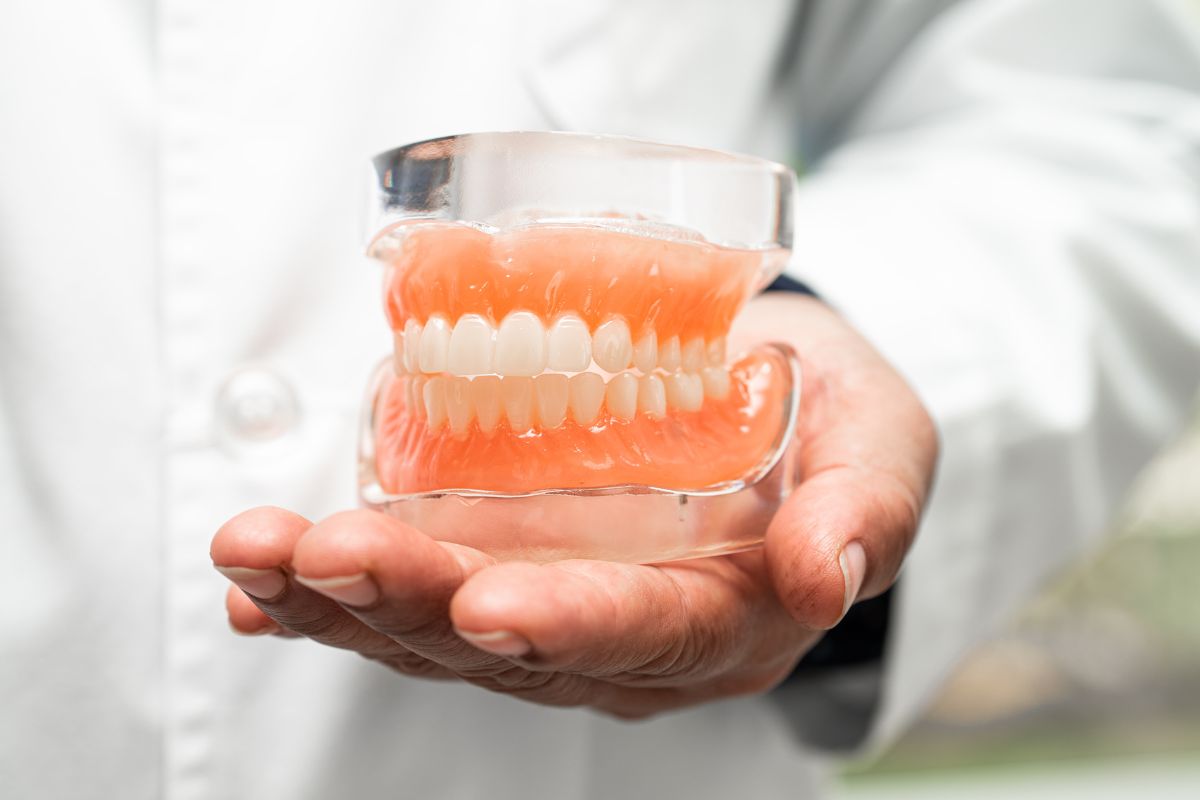
If you’ve just received your new dentures, you might be wondering what they will feel like once you start wearing them every day. In the beginning, it’s common to notice a slightly bulky or tight sensation as your gums, tongue, and cheeks adjust. This feeling usually improves within a few weeks as your mouth adapts to the new appliance. With proper care and regular follow-ups, most patients in Lakeland find that dentures soon feel comfortable and natural.
At Memphis Dentures & Implants, our dental team has years of experience helping patients adjust to life with dentures comfortably and confidently. We take time to ensure each denture fits precisely, offering guidance throughout your transition so you can smile, eat, and speak with ease.
Understanding the Initial Adjustment Period of Dentures
The first few days of wearing dentures can feel a little strange, especially if it’s your first set. Your mouth is learning to accommodate a new structure, so some tenderness or pressure is completely normal. Patients often notice mild soreness on their gums or a sense of increased saliva flow. This is your body’s natural response as it recognizes and adapts to the new appliance.
Your dentist makes sure dentures fit right, but your mouth still needs a little time to adjust to the changes. Regular check-ins allow your provider to make small refinements so the fit remains secure and comfortable as your gums settle.
Adapting to Speaking and Eating with Dentures
Speech and chewing may feel different at first, but with practice, both become easier. Some patients find it helpful to read aloud at home to train their tongue and facial muscles. Over time, you’ll regain clear speech and confidence in social settings.
When it comes to eating, begin with softer foods like oatmeal, eggs, or cooked vegetables. Cut food into smaller pieces and chew slowly using both sides of your mouth to balance the pressure. This technique helps your dentures stay in place and prevents soreness. Within a few weeks, most patients in Lakeland comfortably return to enjoying a wide variety of foods again.
Common Sensations During the First Few Weeks of Wearing Dentures
While everyone’s experience is unique, there are a few sensations that nearly all new denture wearers notice. You might feel slight looseness, especially with lower dentures, until your cheek and tongue muscles learn to help hold them steady. Some patients also experience temporary changes in taste because the upper denture covers part of the palate.
These sensations gradually fade as your muscles strengthen and you become familiar with how your dentures move. If you experience persistent irritation, your dentist can adjust the fit to relieve pressure points and restore comfort.
The Importance of Proper Care and Hygiene
Good denture hygiene helps prevent discomfort and extends the life of your appliance. Rinse your dentures after meals and clean them daily using a soft-bristled brush and a non-abrasive cleaner. Always remove your dentures before bedtime to give your gums a chance to rest.
At Memphis Dentures & Implants, we guide patients in Lakeland on the best care practices and recommend professional cleanings to maintain both oral health and appliance integrity. Whether you wear full dentures, partial dentures, or implant-supported dentures, consistent care makes all the difference in comfort and confidence.
Emotional Adjustment and Confidence
It’s natural to feel self-conscious when you first begin wearing dentures. Many patients worry about how their smile looks or whether others can tell they’re wearing them. The truth is, modern dentures are carefully crafted to look natural and complement your facial features. As you grow comfortable wearing them, your confidence naturally returns.
Our dental team in Lakeland takes pride in providing dentures that not only restore function but also help patients feel like themselves again. Every set is customized to ensure the fit, color, and shape look as natural as possible.
When to Visit Your Dentist
Even with the best-fitting dentures, adjustments may be necessary during the initial period. Schedule a follow-up if you notice:
- Persistent soreness or rubbing
- Clicking or slipping while talking or eating
- Difficulty keeping dentures in place
Regular visits allow your dentist to fine-tune the fit, check gum health, and address any concerns before they become major issues. With ongoing care, dentures can last many years and provide a comfortable, reliable solution for missing teeth.
Conclusion
Wearing dentures for the first time can feel unfamiliar, but that feeling doesn’t last long. With expert guidance, proper care, and a little patience, you’ll soon find that your dentures look, feel, and function much like natural teeth. At Memphis Dentures & Implants, we’ve helped countless patients in Lakeland successfully transition to their new smiles, ensuring each person leaves with a denture that fits comfortably and enhances their confidence.
If you’re adjusting to dentures or considering getting a new set, schedule a consultation with Memphis Dentures & Implants in Lakeland. Our experienced team will make sure your dentures fit perfectly and provide the comfort and function you deserve.
FAQs
How long does it take to get used to new dentures?
Most patients in Lakeland start feeling comfortable with their dentures within two to four weeks. Your mouth needs time to adapt, and small adjustments made by your dentist can help ensure a proper fit during this period.
Will my dentures feel uncomfortable at first?
It’s normal for dentures to feel slightly bulky or cause mild soreness at first. This usually improves as your gums and tongue adjust to the new appliance. If discomfort continues, your dentist can make adjustments to reduce pressure points.
Can I eat normally right after getting dentures?
In the beginning, it’s best to eat soft foods that are easy to chew, such as mashed potatoes or scrambled eggs. As your comfort improves, you can gradually return to firmer foods. Chewing slowly and evenly on both sides of your mouth helps dentures stay stable.
Why do my dentures feel loose when I talk?
It’s common for new dentures to move slightly while speaking. Over time, your facial and tongue muscles adapt to help hold them in place. If looseness continues, your dentist can adjust or reline your dentures for a better fit.
How can I relieve sore gums from new dentures?
Rinsing with warm salt water can help soothe sore gums. You should also remove your dentures at night to let your mouth rest. If soreness doesn’t go away, contact your Lakeland dentist for an adjustment.