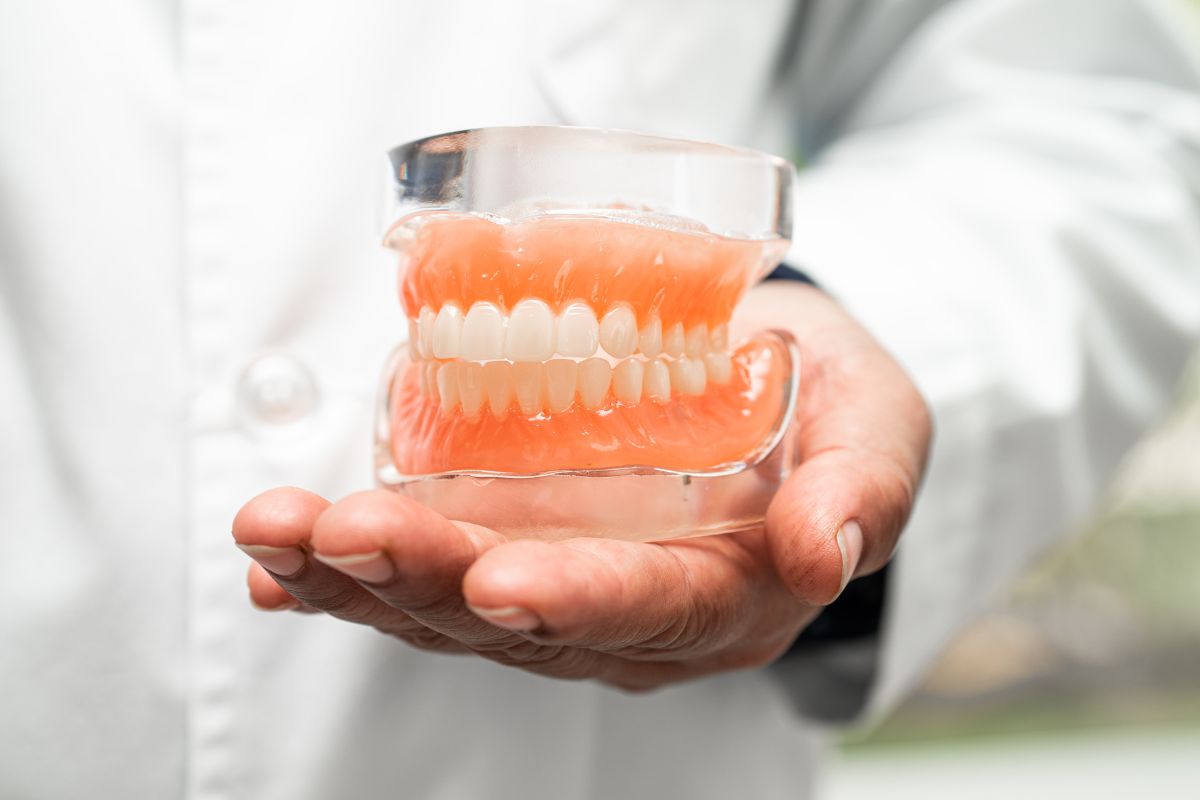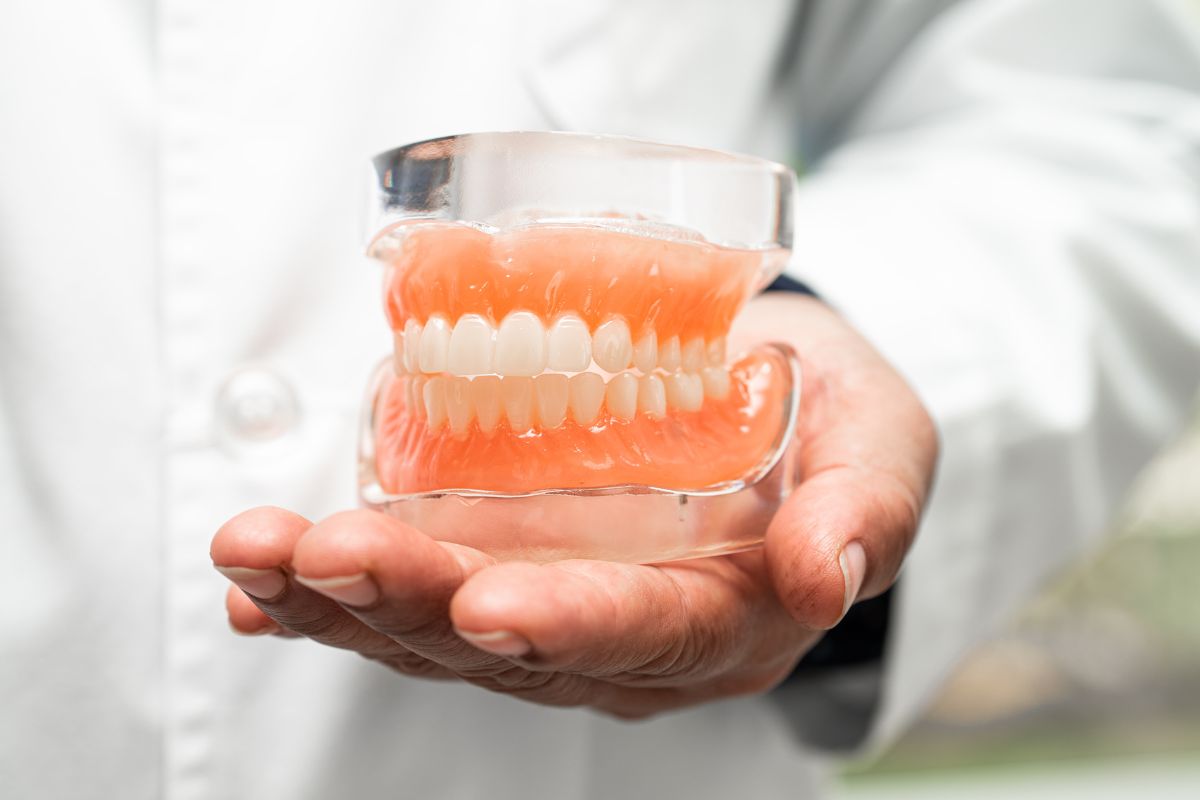
If your dentures break unexpectedly, remove them right away, avoid wearing the damaged appliance, keep all the pieces, and contact a dentist as soon as possible. Trying to fix them at home can make the damage worse and may irritate your gums. Getting professional care quickly helps restore comfort and prevents further complications. Patients visiting our dental clinic in Lakeland often find that prompt evaluation makes repair simpler and reduces time without a functional smile.
Unexpected damage can interrupt eating, speaking, and daily comfort. Whether the appliance cracks, a tooth breaks, or the base splits, knowing what to do immediately can protect your oral health and help you return to normal quickly.
Common Reasons Dentures Break
Dentures are durable, but they are still subject to everyday wear. Over time, chewing pressure gradually weakens the material. This can lead to small cracks that eventually expand. Dropping the appliance is another frequent cause. Even a short fall onto a hard surface can fracture the base or loosen a denture tooth. A poor fit also increases the risk of breakage. When dentures become loose, pressure is not distributed evenly. Some areas absorb more force, which weakens the structure.
Changes in the jaw can also contribute. Bone naturally shrinks after tooth loss, which may cause the appliance to flex slightly during use. Repeated bending can lead to fractures. Grinding or clenching places extra pressure on dentures. This constant stress can cause chips, cracks, or broken teeth within the appliance.
Signs Your Dentures May Be About To Break
Many dentures show warning signs before they fail completely. Recognizing these early helps prevent sudden damage.
- Small hairline cracks in the base should never be ignored. These lines often spread quickly with normal chewing.
- A loose tooth within the appliance is another sign. This usually means the surrounding material has weakened.
- Changes in fit can also indicate trouble. If the appliance rocks or shifts while eating, stress points may be forming.
- You may also hear a slight clicking sound when biting. This suggests the base is flexing.
- Sore spots or gum irritation can occur when pressure is uneven. Addressing these symptoms early can help prevent a full break.
What To Do Immediately After Dentures Break
Remove the appliance carefully and avoid placing it back in your mouth. Wearing damaged dentures can cut or irritate your gums.
- Rinse the pieces gently with clean water. This keeps them free of debris and ready for evaluation.
- Save all fragments, even the smallest pieces. These help your dentist repair the appliance more accurately.
- Avoid using glue or household adhesives. These products contain chemicals that are not safe for oral use and can permanently damage the denture.
- Do not attempt to bend or reshape the appliance. This often makes repair more difficult or impossible.
- Stick to soft foods until your appointment. Yogurt, soup, mashed vegetables, and smoothies are good temporary options.
- Contact your dental office as soon as possible. Quick action improves the chances of a simple repair.
Can Broken Dentures Be Repaired?
In many cases, dentures can be repaired. A cracked base is often reinforced and polished to restore function. If a denture tooth breaks, it can frequently be replaced without remaking the entire appliance.
When the denture splits into two pieces, repair is still possible if the parts fit together properly. However, older appliances or those with repeated damage may not hold up well after repair. In situations like these, your dentist may explain that it may be time to replace your dentures so you can regain proper fit, comfort, and stability.
Patients exploring dentures treatment in Lakeland often benefit from a professional evaluation that determines whether repair or replacement is the best long term option.
When Replacement May Be Recommended
Repair is not always the most reliable solution. If the appliance is several years old, the material may already be weakened. Multiple fractures often suggest the denture has reached the end of its lifespan.
- Significant changes in jaw shape may also require a new appliance. A poor fit can lead to sore spots and difficulty chewing.
- Repeated repairs can also affect comfort. Each adjustment may slightly change the thickness or balance of the denture.
- Broken metal components in partial dentures usually require replacement instead of repair.
- Your dentist will evaluate the fit, structure, and comfort before recommending the best approach.
How To Reduce The Risk Of Future Breakage
Proper care can extend the life of your dentures and prevent unexpected damage.
- Clean your appliance over a folded towel or a sink filled with water. This cushions accidental drops.
- Store dentures in a protective case when not in use. Avoid placing them loosely on counters.
- Soak them overnight in a recommended solution. Keeping the material hydrated helps prevent cracking.
- Avoid biting very hard foods. Ice, hard candy, and bones can create sudden pressure.
- Schedule routine dental visits so your dentist can check for early signs of wear.
Seek adjustments if your dentures begin to feel loose. A secure fit reduces stress on the appliance.
Eating And Speaking Until Your Dentures Are Repaired
Temporary adjustments can help maintain comfort. Choose soft foods that require minimal chewing. Scrambled eggs, pasta, and cooked vegetables are easier to manage.
- Cut food into small pieces and chew slowly. Try to use both sides of your mouth evenly.
- Speak at a relaxed pace until the repair is complete. This helps maintain clarity.
Remove the appliance if it causes irritation. Your gums should not come into contact with sharp edges.
When To Seek Immediate Dental Attention
Some situations require urgent care. Contact your dentist right away if broken dentures cause bleeding or cuts.
- Severe pain while wearing the appliance should also be evaluated quickly.
- If a loose denture tooth shifts while eating, it may create a choking risk.
Swallowing a broken piece requires medical guidance. Prompt attention helps prevent complications.
Conclusion
Unexpected denture damage can affect comfort, confidence, and daily function. Acting quickly by removing the appliance, saving the pieces, and contacting a dentist helps prevent further problems. Many fractures can be repaired, while older or severely damaged appliances may need replacement. Regular checkups, careful handling, and proper storage reduce the chances of future breakage. Understanding what to do when dentures break helps you protect your oral health and return to normal routines with minimal disruption.
If your dentures break unexpectedly, timely care makes a difference. Memphis Dentures and Implants provides careful evaluation and reliable solutions designed to restore comfort and function. Schedule your visit today to learn whether repair or dentures treatment in Lakeland is the right next step for your smile.
FAQs
What should I do immediately after my dentures break?
Remove the dentures from your mouth and avoid wearing them. Rinse the pieces gently and store them safely. Do not try to glue them. Contact your dentist as soon as possible for professional evaluation and repair.
Can broken dentures be repaired the same day?
In many cases, yes. Minor cracks, chipped denture teeth, or split bases can often be repaired the same day. The timing depends on the type of damage and whether a dental lab adjustment is required.
Is it safe to use glue to fix my dentures at home?
No. Household glue contains chemicals that are not safe for oral use. These products can damage the denture material and irritate your gums. Temporary fixes at home often make professional repair more difficult.
How do I eat if my dentures break?
Choose soft foods such as yogurt, soup, mashed vegetables, and eggs. Cut food into small pieces and chew slowly. Avoid hard or sticky foods until your dentures are repaired or replaced.
How long do dentures usually last before needing replacement?
Most dentures last between five and eight years. Over time, normal wear and changes in your jaw shape may affect fit and strength. Your dentist can determine when replacement is necessary.