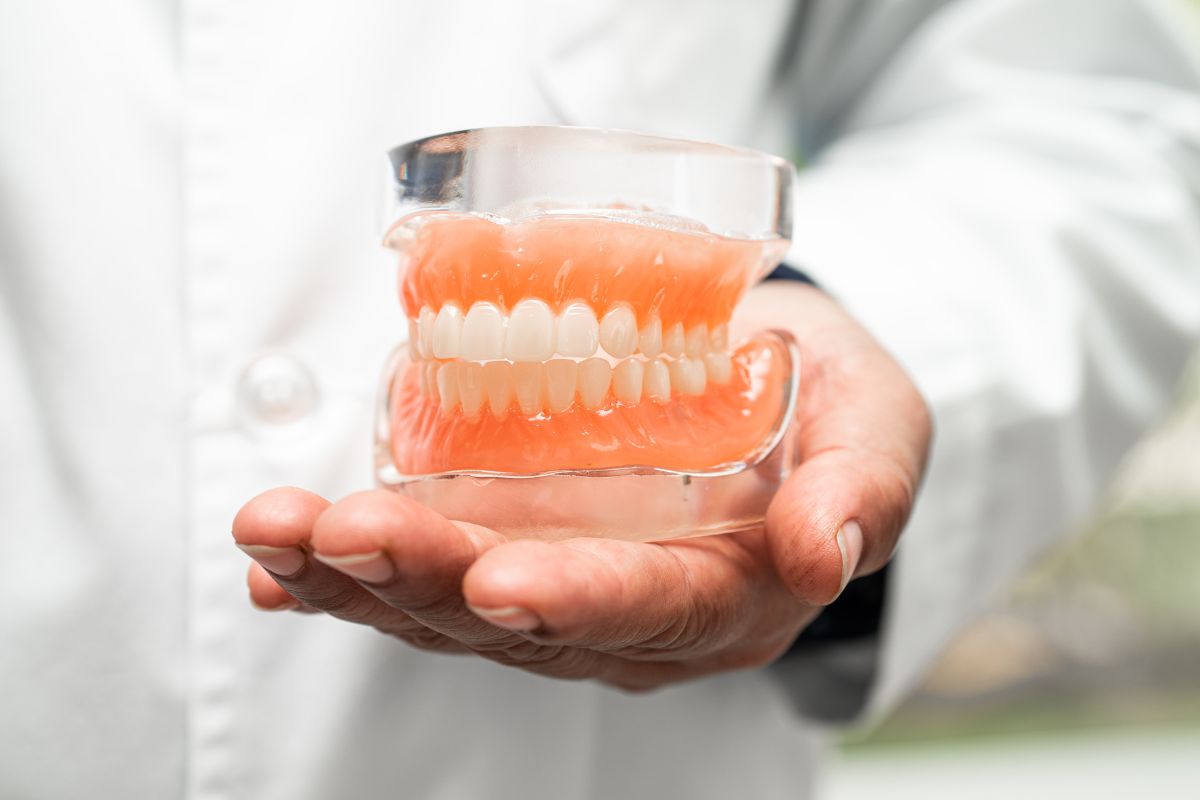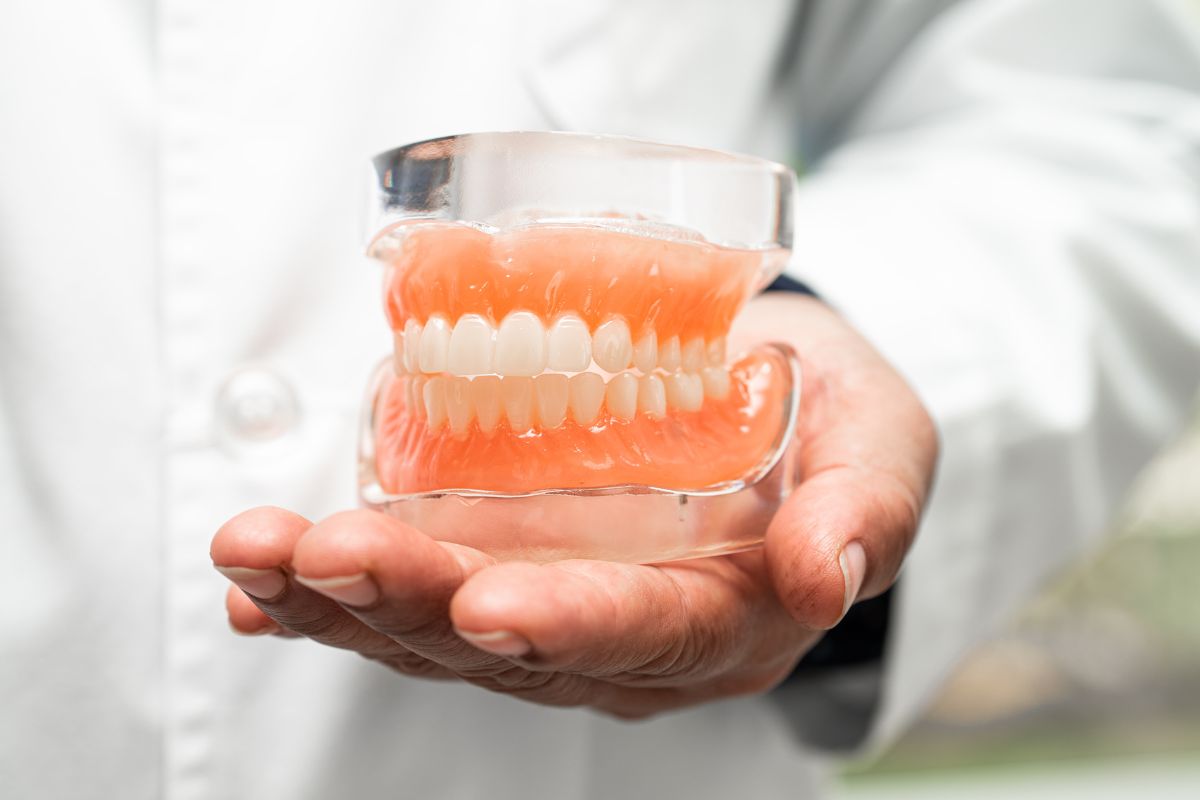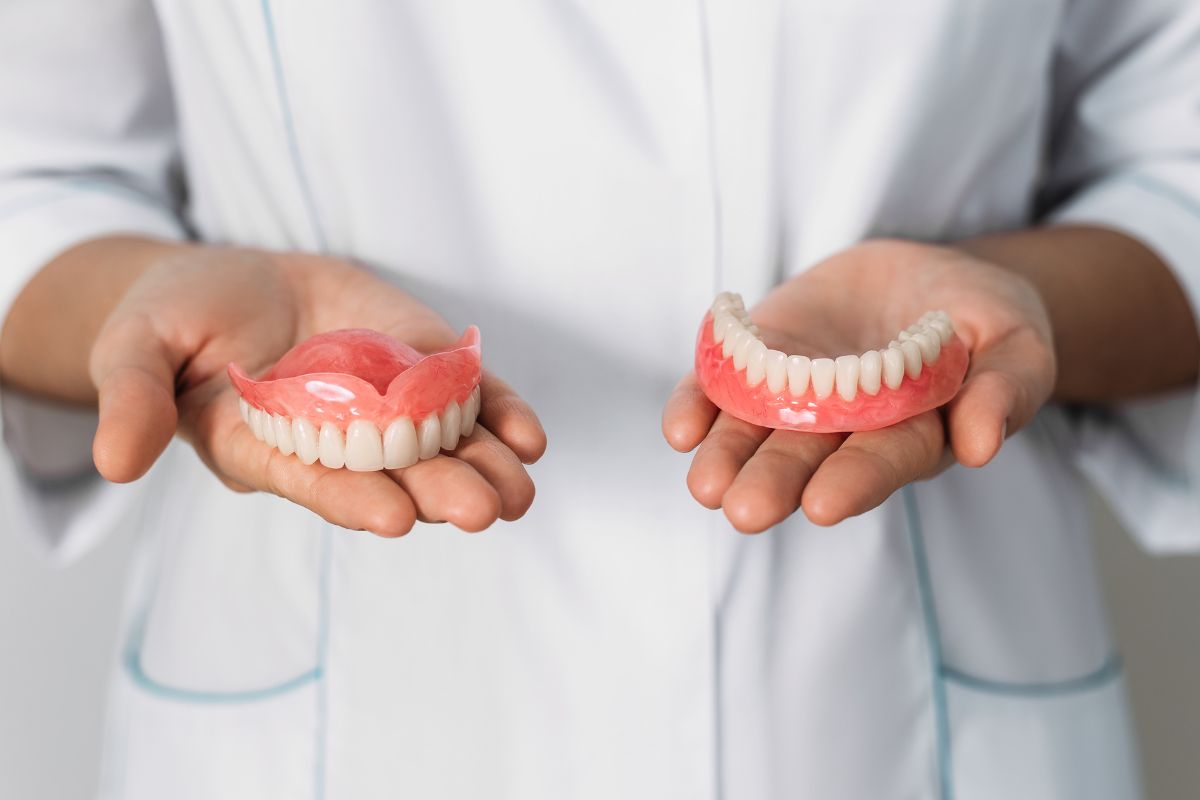
When dentures begin to feel loose or uncomfortable, the best first step is to schedule an exam so the fit can be evaluated and corrected. Many individuals in Lakeland experience looseness as the jawbone naturally changes shape over time. Early attention prevents sore spots, reduced chewing ability, and ongoing irritation. At our dental clinic, we see this often and offer reliable solutions to restore comfort.
Understanding Why Dentures Become Loose
Dentures do not stay the same way forever. The mouth continues to change even years after teeth have been removed. Knowing why this happens helps you respond quickly and avoid further discomfort.
Natural Changes in Bone and Gum Tissue
Once teeth are removed, the bone that held them slowly shrinks. This reshaping continues throughout life. As the foundation changes, the denture loses support and can begin to shift. This is one of the most common reasons patients in Lakeland visit for adjustments.
Wear and Tear on the Denture Base
Daily use gradually wears down the acrylic that supports the denture. The wear may not be obvious at first, but over time even small changes can alter the way your bite comes together.
Changes in Saliva Production
Saliva helps hold dentures in place by creating a natural seal. Dry mouth or an increase in saliva can both reduce stability. Conditions such as medication use, dehydration, or age may affect this balance.
Health or Weight Changes
Significant shifts in weight, medical treatments, or sinus issues can influence facial structure. Once this happens, the denture may no longer sit comfortably.
Improper Handling
Cleaning dentures with very hot water or dropping them may warp the fit. Even slight distortion can cause discomfort.
Symptoms That Indicate Your Denture Needs Attention
You may notice warning signs before the denture becomes completely loose. Some of the most common symptoms include:
- Difficulty chewing foods that once felt easy
- Clicking sounds when talking
- Slipping while laughing or speaking
- Gum soreness or red spots
- Needing to reapply adhesive several times a day
- A feeling that your bite no longer lines up
These symptoms are strong indicators that a visit is needed sooner rather than later.
What You Can Do At Home When Dentures Feel Loose
While a professional evaluation is the best step, there are safe ways to manage discomfort at home until your appointment.
Clean the Denture Thoroughly
Food particles can create small gaps that make the denture feel unstable. Regular cleaning ensures proper seating and keeps your gums healthy.
Use Denture Adhesive Temporarily
A small amount can help stabilize the denture, but it should not replace professional care.
Avoid Forcing the Denture Into Place
Do not bite down hard or try to reshape the appliance. This can damage the base or create new sore spots.
Never Use Household Glues
Adhesives not made for dental appliances are unsafe and can permanently damage the denture.
Professional Solutions That Restore a Comfortable Fit
When you visit us, we evaluate the health of your gums, the condition of the denture, your bite, and any changes in the bone. This comprehensive approach ensures you receive the right solution the first time.
Denture Reline
A reline refreshes the inner surface so it matches your current gum shape. This often provides immediate improvement in comfort and stability.
Denture Adjustment
If the discomfort is caused by a small pressure point, a simple adjustment may resolve the issue. This is a quick and effective option for many Lakeland patients.
Denture Rebase
When the teeth are still in good condition but the base is worn, a rebase replaces the entire acrylic foundation. This strengthens the appliance without needing a completely new denture.
A New Denture
Most dentures need replacement every five to seven years. As the face and jaw change, a new appliance can improve bite alignment, appearance, and comfort.
Implant Supported Options
For patients who prefer a stable solution that does not shift, dental implants offer long term support. They help slow bone loss and significantly improve chewing ability. Many individuals who once struggled with traditional dentures in Lakeland choose implant supported options for greater confidence.
During this process, patients often mention how reassuring it is when their dentist makes sure dentures fit right. A careful evaluation from a professional who understands the natural changes in the mouth builds trust and helps prevent future discomfort.
How to Keep Dentures Comfortable for the Long Term
Once the denture is adjusted or replaced, a few habits help maintain daily comfort.
- Schedule regular checkups to monitor bone and gum changes
- Clean the denture every day and store it properly at night
- Maintain balanced nutrition to support bone health
- Drink enough water to manage dry mouth
- Monitor health or medication changes that might affect oral comfort
- Avoid hot water when cleaning
- Handle the denture carefully to prevent distortion
Consistent care helps ensure your denture remains a stable, comfortable part of your daily life.
Conclusion
Loose or uncomfortable dentures are not something you need to live with. In most cases, the issue can be corrected with a reline, adjustment, rebase, or updated appliance. If you notice slipping, soreness, or difficulty chewing, the best approach is to have the denture professionally evaluated. Early attention not only restores comfort but also protects your gum health and prevents long-term complications.
If your dentures no longer fit the way they once did, schedule an appointment with Memphis Dentures & Implants in Lakeland. A careful evaluation can determine whether an adjustment, reline, or new denture will help you feel comfortable again. Your smile should feel secure every day, and we are here to help you get back to that.
FAQs
Why are my dentures suddenly feeling loose?
Dentures often loosen when the gums and jawbone change shape over time. Natural bone resorption, weight changes, medications, and even minor denture wear can affect the fit. A quick evaluation can determine whether you need an adjustment, reline, or replacement.
Is it normal for dentures to loosen over the years?
Yes. Jawbone changes are expected after tooth loss, even years later. Because the foundation beneath the denture shifts gradually, the appliance may start to feel unstable. Regular checkups help maintain a comfortable fit.
What should I do first if my dentures start slipping?
Clean the denture thoroughly and use a small amount of adhesive as a temporary measure. Avoid forcing the denture into place or adjusting it yourself. Schedule an appointment as soon as possible for a proper evaluation.
Can loose dentures cause mouth sores?
Yes. When dentures move, the friction can irritate soft tissues and lead to sore spots or inflammation. Addressing looseness early helps protect your gums and reduces the risk of infection.
How does a dentist fix loose dentures?
Depending on the cause, a dentist may perform a reline, adjust pressure points, rebase the appliance, or create a new denture for a better long-term fit. Implant-supported options are also available for greater stability.