Damaged, loose, or severely worn teeth can make everyday activities such as eating and speaking more difficult. When teeth can no longer be restored effectively, replacing them can help restore both function and confidence. Dentures are one option for replacing multiple missing or damaged teeth, but choosing the right type requires careful planning based on your oral health, remaining teeth, and long-term goals.
For patients considering tooth replacement, understanding what happens before receiving dentures can make the process feel much more manageable.
When Should You Consider Dentures?
Not every damaged tooth needs to be removed. Depending on the condition of the tooth, a dentist may recommend restorative treatment to preserve it. However, teeth that are severely broken, loose because of advanced gum disease, or otherwise beyond predictable repair may require extraction and replacement.
Replacing several teeth can also become important when missing teeth affect chewing, speech, or the way surrounding teeth fit together. A dental evaluation can help determine whether saving existing teeth is possible or whether replacement would provide a more practical long-term solution.
What to Consider Before Choosing Dentures
Planning tooth replacement is more than simply choosing a set of artificial teeth. Our dentist will typically evaluate your gums, remaining teeth, jawbone, bite, and overall oral health before recommending a treatment approach.
Several factors may influence the recommendation:
Number and Condition of Remaining Teeth
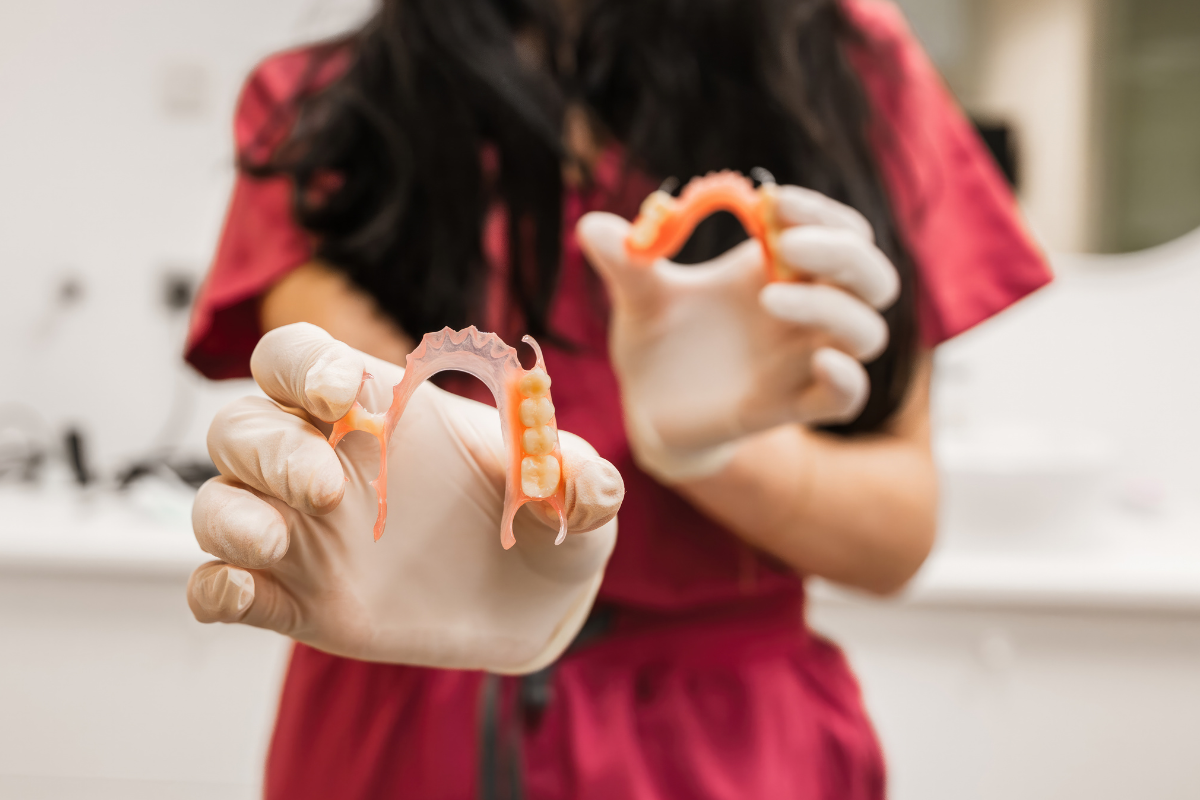
If you still have healthy teeth, partial tooth replacement may be possible. When most or all teeth in an arch need to be replaced, full dentures may be considered.
Timing of Tooth Removal
Some patients need teeth extracted before receiving their final restoration. In certain situations, immediate dentures can be placed after extraction, allowing patients to have replacement teeth while the mouth heals.
Long-Term Stability
Traditional dentures rest on the gums, while implant-supported options use dental implants to provide additional support. Snap-in implant dentures may be considered for patients who want greater stability than conventional removable dentures can provide.
Fit and Comfort
A properly designed denture should fit comfortably and support everyday activities such as eating and speaking. As your mouth changes over time, adjustments or replacement may eventually be necessary.
Types of Dentures to Discuss With Your Dentist
There is no single denture solution that works for everyone. We offers several options based on individual needs:
- Immediate dentures may be appropriate when teeth need to be removed and replacement is needed right away. They can help patients avoid going without teeth during the initial healing period.
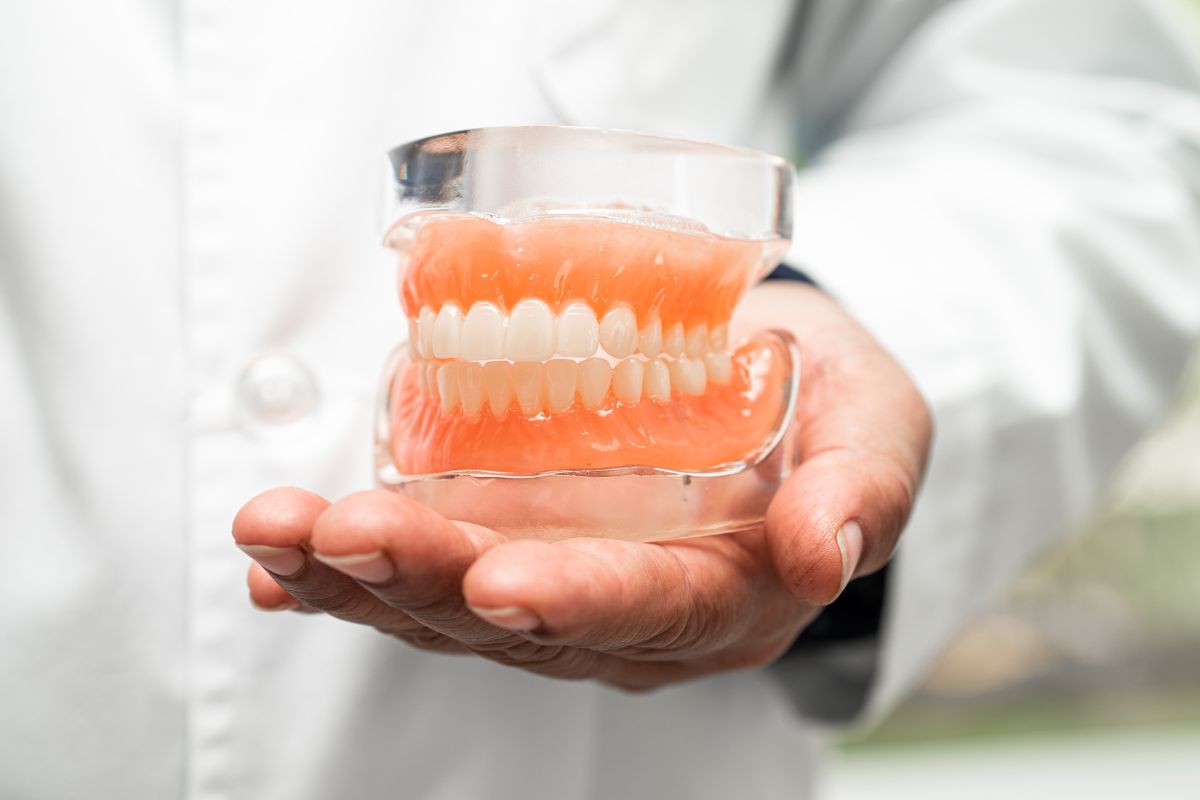
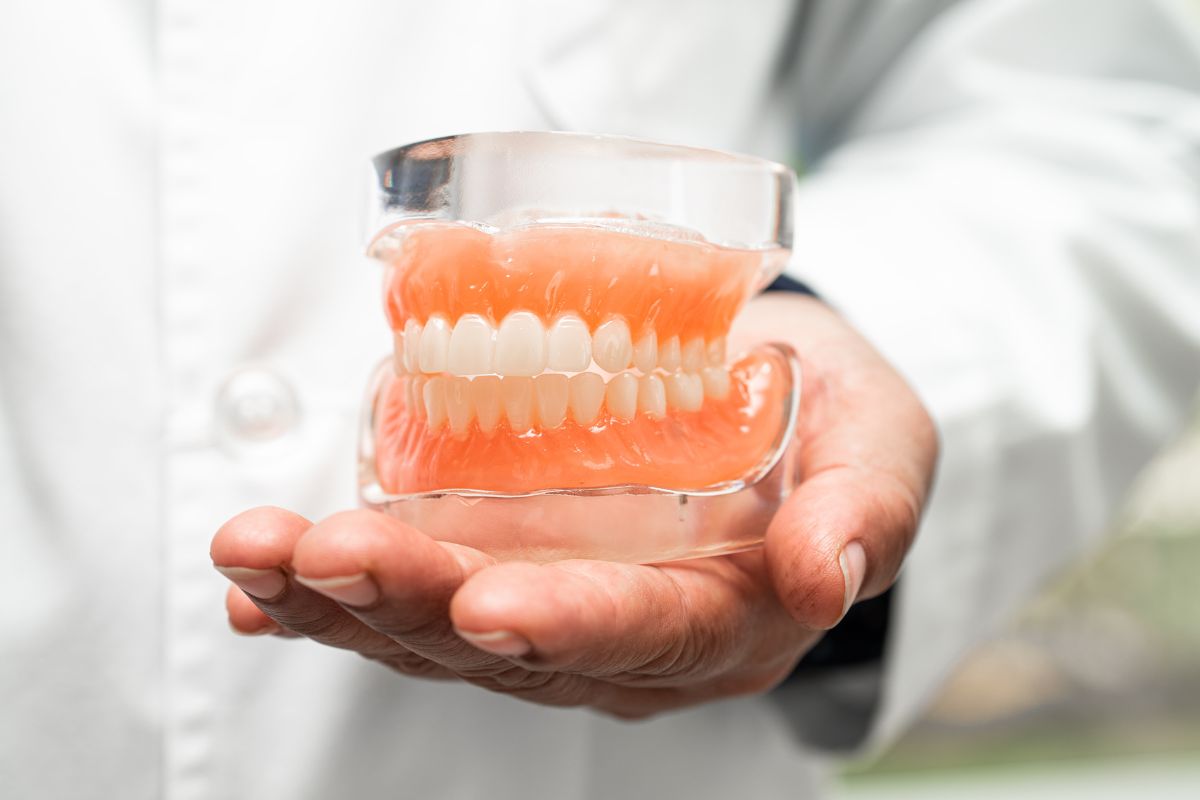
- Traditional full dentures replace an entire upper or lower arch and may be an option for patients who have lost most or all of their teeth or who are not candidates for dental implants.
- Snap-in implant dentures are removable restorations supported by dental implants. Because they receive support from implants rather than relying entirely on the gums, they can provide additional stability for appropriate candidates.
What to Expect During Your Consultation
A denture consultation should focus on creating a treatment plan around your specific dental needs. Your dentist can examine the condition of your teeth and gums, discuss extraction needs, explain available replacement options, and help you understand what each approach involves.
At Memphis Dentures and Implants, Dr. Wes Johnson, DDS, has completed residency training focused on implantology and implant prosthetics. Dr. Laura Vo, DDS, earned her Doctor of Dental Surgery degree from the University of Tennessee Health Science Center College of Dentistry. Their practice focuses specifically on dentures, dental implants, extractions, and related tooth replacement services. The practice also has an in-house dental lab, which allows dentures to be customized and fabricated efficiently.
Finding the Right Tooth Replacement Option for You
If damaged or missing teeth are affecting your ability to eat, speak, or smile comfortably, it may be time to discuss your replacement options. The right solution depends on your remaining teeth, oral health, lifestyle, and treatment goals. For patients exploring dentures treatment in Lakeland, Memphis Dentures and Implants provides personalized options ranging from traditional and immediate dentures to implant-supported solutions. A consultation with the dental team can help you understand which approach may fit your needs.
Schedule a consultation with Memphis Dentures and Implants to discuss your tooth replacement options and take the next step toward restoring your smile.
FAQs
1. Can damaged teeth be saved instead of being replaced with dentures?
Sometimes. If a damaged tooth has enough healthy structure, restorative treatment may be possible. However, teeth that are severely damaged, loose, or otherwise cannot be predictably restored may need to be removed and replaced.
2. Can I get dentures immediately after having damaged teeth removed?
In some cases, yes. Immediate dentures can be prepared before tooth removal and placed shortly afterward. They can provide replacement teeth during the initial healing period, although adjustments may be needed as the gums and tissues change.
3. What happens if I still have some healthy teeth when considering dentures?
You may not need a full denture. Depending on the number and condition of your remaining teeth, a partial denture or another tooth replacement option may be appropriate. A dental evaluation can determine which approach is suitable.
4. How do dentists decide between traditional and implant-supported dentures?
The decision can depend on your remaining bone structure, oral health, number of missing teeth, treatment goals, and whether you are a candidate for dental implants. Your dentist can compare the options during a consultation.
5. Will my dentures need to be replaced after my mouth heals?
They may. Especially after extractions, the gums and underlying tissues can change shape as they heal. This can affect the fit of a denture and may require adjustments, relining, or eventually a replacement.
6. Can dentures help if damaged teeth are making it difficult to chew?
Replacing severely damaged or missing teeth can help restore chewing function. However, the level of improvement depends on the type of denture, fit, oral condition, and how well you adapt to the restoration.