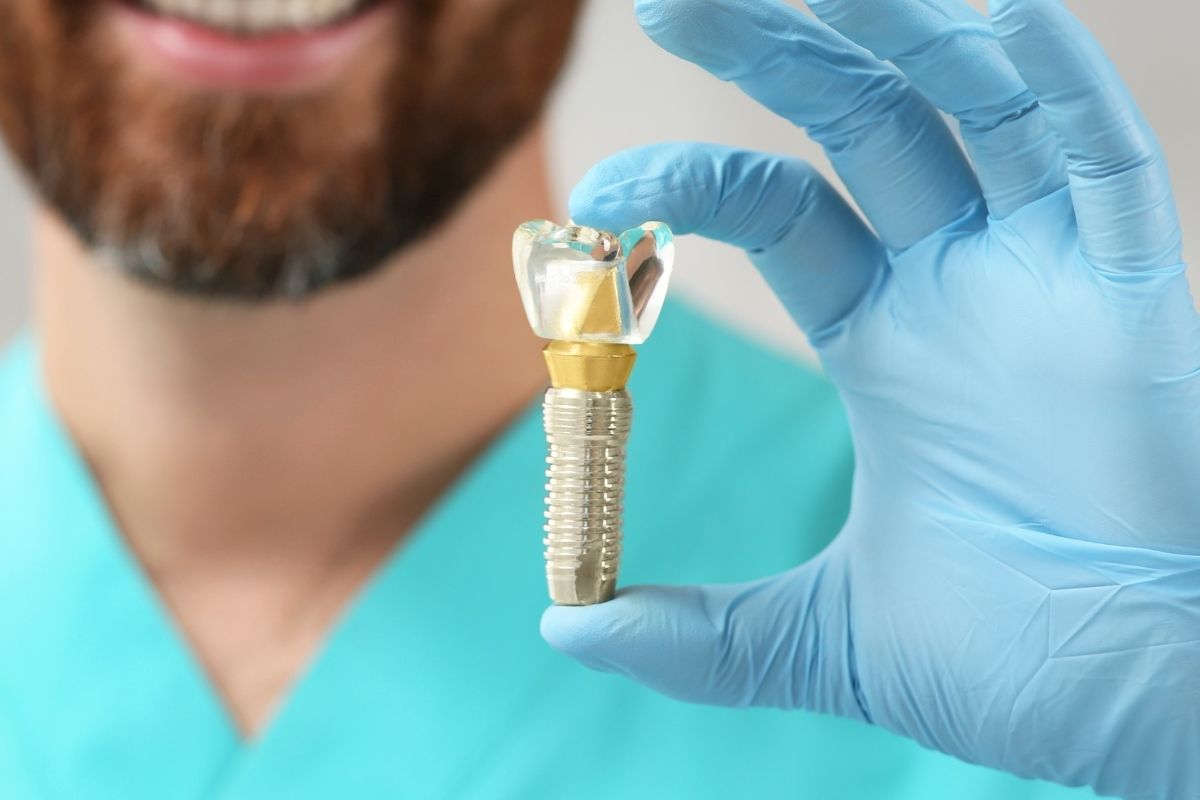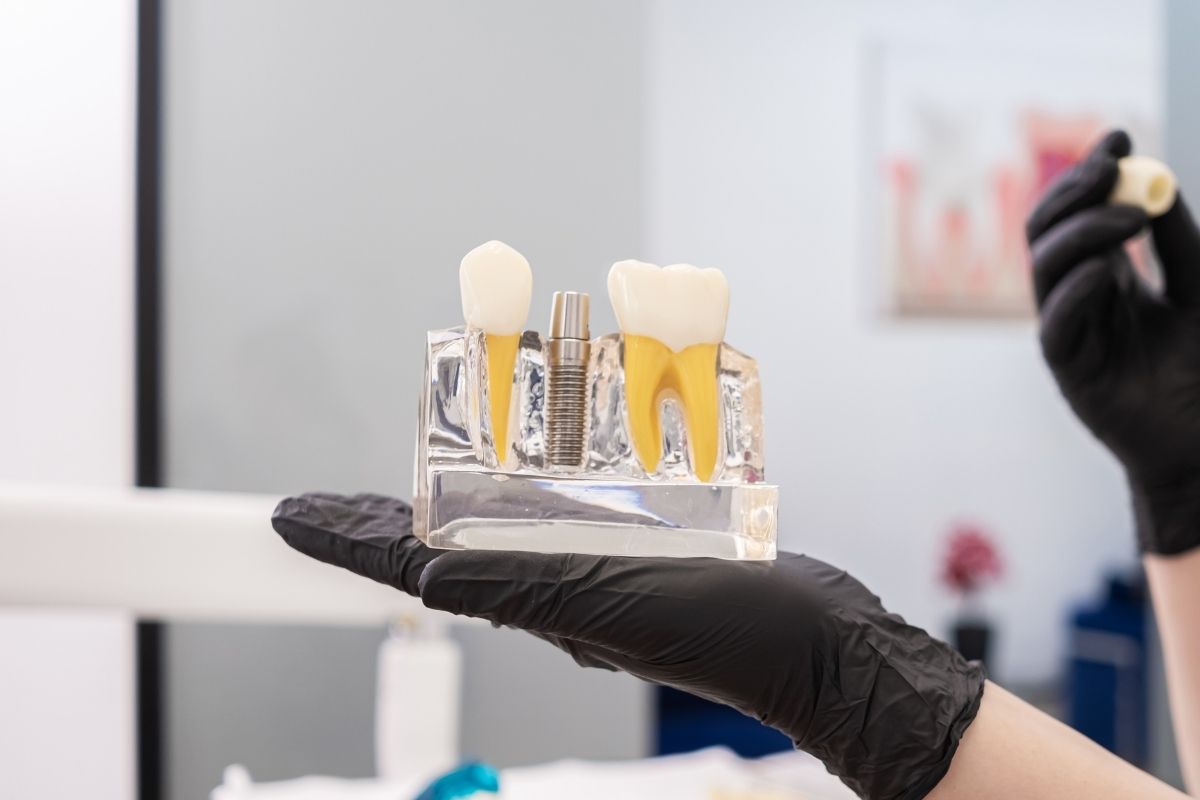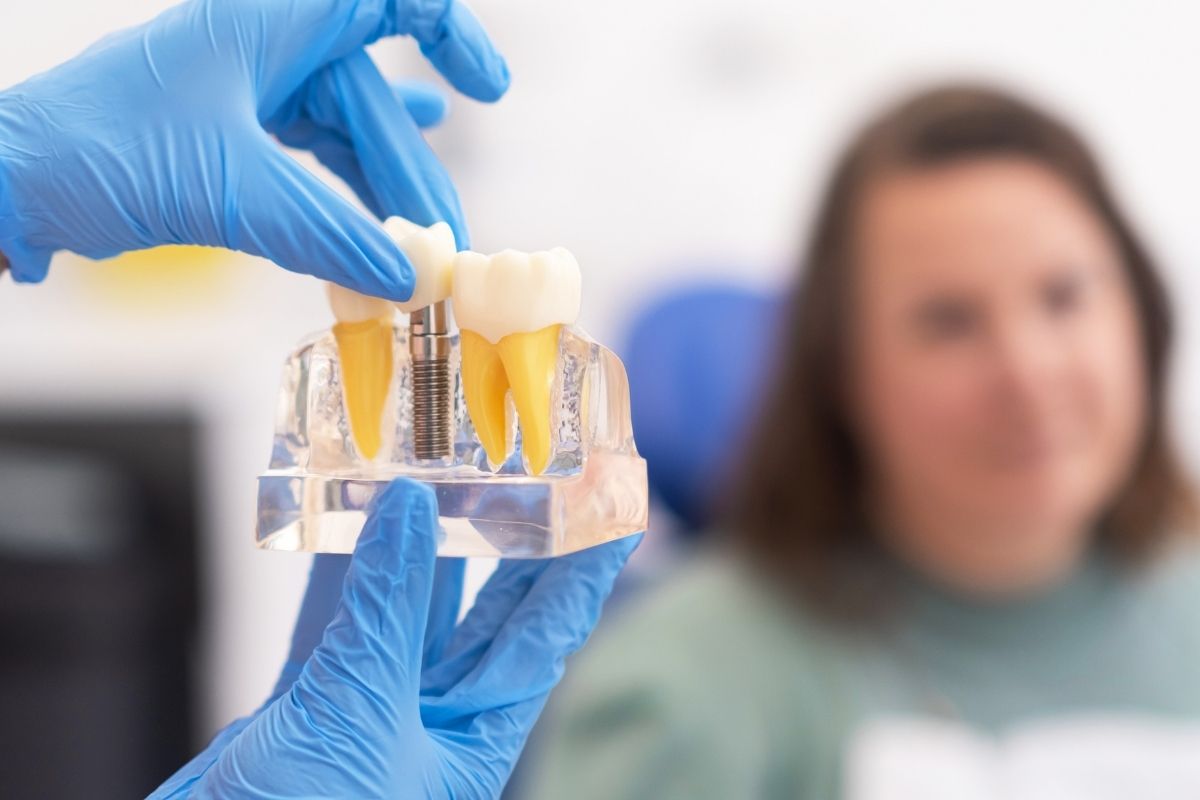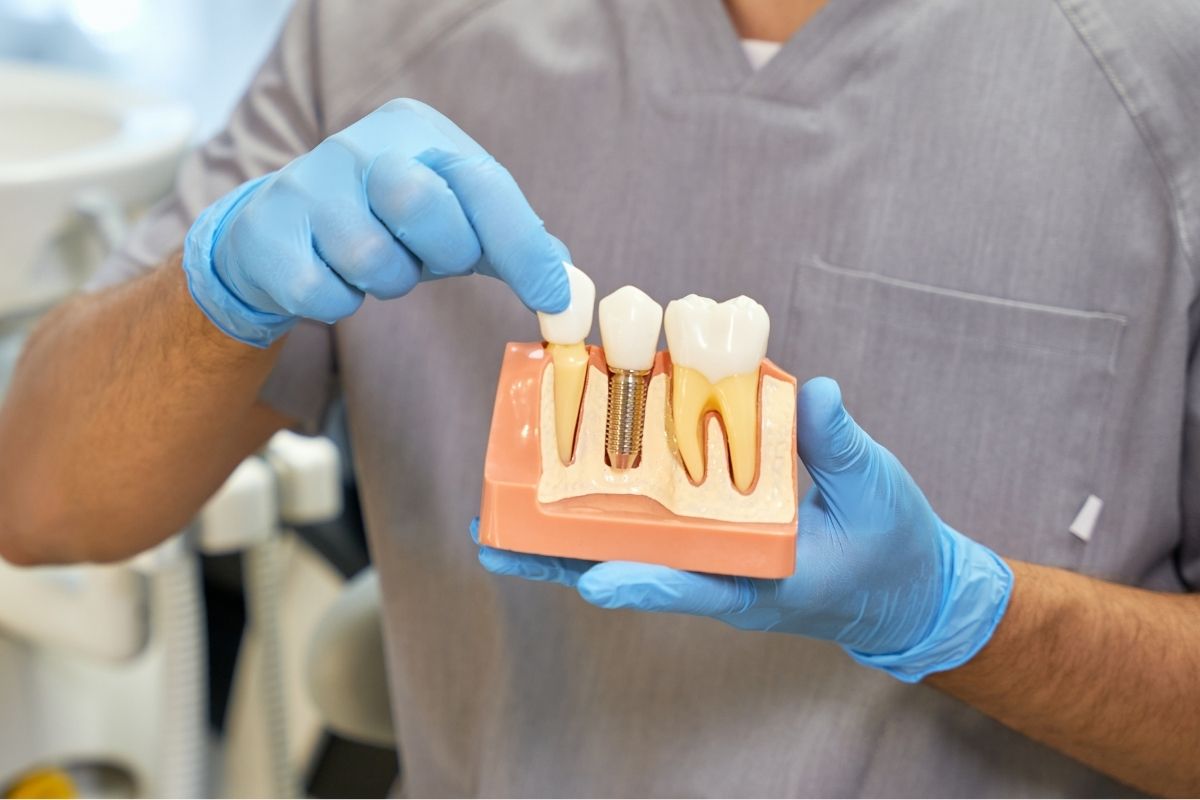
After getting dental implants, you should typically visit a dentist every three to six months during the first year, followed by routine checkups at least twice a year. This schedule allows your provider to monitor healing, protect the surrounding gums, and ensure your implant stays secure. Patients who receive care at Memphis Dentures and Implants often find that consistent follow-ups make a noticeable difference in how well their implant performs over time.
Why Regular Dental Visits Matter After Implants
Dental implants are built to last, but they still rely on healthy gums and strong bone support. Routine visits to a dental clinic help detect early signs of irritation or inflammation before they turn into serious concerns.
During these visits, your provider evaluates how well your implant is integrating with the jawbone and checks the surrounding tissues. Professional cleanings also remove buildup that cannot be addressed through brushing alone. This level of care supports both your implant and your overall oral health.
What to Expect in the First Year
The first year after implant placement is critical for healing. Your dentist may recommend more frequent visits to closely track your progress.
Most patients can expect a follow-up within a few weeks after the procedure, along with checkups every three to four months. These visits allow your provider to confirm that the implant is properly fusing with the bone, a process that can take several months depending on individual healing. Many patients are curious about the time a dentist typically needs for dental implants to fully settle, and understanding this healing window helps set realistic expectations for long-term success.
Staying consistent with dental care during this stage plays a key role in preventing complications.
Long Term Visit Schedule for Implant Care
Once your implant has fully healed, your care routine becomes more predictable. Most patients are advised to visit a dentist every six months for routine exams and cleanings.
However, not every patient has the same needs. Some individuals may benefit from more frequent visits, especially if they have a history of gum issues or other oral health concerns. A trusted dentist in Lakeland will evaluate your condition and recommend a schedule that supports your long term oral health.
Regular visits help ensure that your implant remains stable and that your natural teeth stay healthy as well.
Signs You Should Not Ignore
Even with a regular schedule, certain symptoms may require an earlier visit to a dental clinic.
Pay attention to the following signs:
• Redness or swelling around the implant
• Bleeding during brushing or flossing
• Ongoing discomfort or sensitivity
• A feeling that the implant is not stable
• Difficulty chewing as you normally would
Addressing these issues early can prevent more complex treatments later.
Daily Habits That Support Implant Health
Your daily routine has a direct impact on how often you need professional care. Good habits can reduce the risk of complications and help extend the life of your implant.
Focus on the following:
• Brush twice daily with a soft bristle toothbrush
• Floss carefully around the implant area
• Use a recommended mouth rinse if advised
• Avoid chewing hard objects that may damage the restoration
• Maintain a balanced diet that supports gum health
Consistent dental care at home helps keep your implant and surrounding tissue in excellent condition between visits.
The Role of Professional Cleanings
Even with excellent oral hygiene, professional cleanings remain essential. A dentist can remove plaque and tartar from areas that are difficult to reach on your own.
These visits also include a thorough examination of your implant, surrounding gums, and bite alignment. Small adjustments or early treatment can prevent larger issues down the road.
Regular cleanings are not just about maintaining appearance. They are an important part of protecting your investment in your smile.
Personalized Care for Long Term Success
Every patient responds differently to treatment, which is why personalized care matters. Factors such as lifestyle, medical history, and oral hygiene habits all influence how often you should visit a provider.
Working with a trusted dentist in Lakeland ensures that your care plan is tailored to your needs. Patients who stay consistent with their visits and follow professional guidance often experience better long term results.
Memphis Dentures and Implants focuses on helping patients maintain strong, healthy smiles through attentive and ongoing care.
Conclusion
Visiting a dentist regularly after getting dental implants is essential for maintaining both the implant and your overall oral health. Most patients benefit from checkups every three to six months during the first year, followed by twice-yearly visits once healing is complete.
By combining routine appointments with strong daily habits, you can protect your implant and enjoy lasting results. Staying proactive with your care ensures that small concerns are addressed early, helping you avoid more complex treatments in the future.
If you have recently received dental implants or are planning your treatment, establishing the right care routine is key. Schedule a visit with Memphis Dentures and Implants to receive guidance that supports long-term oral health and helps you maintain a confident smile.
FAQs
How soon should I visit a dentist after getting dental implants?
You should visit a dentist within a few weeks after your implant procedure for an initial follow up. This allows your provider to check healing and ensure the implant is integrating properly with the jawbone.
Do I need more frequent dental visits after getting implants?
Yes, during the first year, visits are usually more frequent, often every three to four months. After healing, most patients return to routine checkups twice a year, depending on their oral health.
Can dental implants get infected if I skip dental visits?
While the implant itself cannot decay, the surrounding gums can become infected if not properly maintained. Regular visits to a dental clinic help prevent infections and protect the implant.
What happens during a dental implant checkup?
During a visit, your dentist will examine the implant, check your gums, assess your bite, and perform a cleaning. These steps help ensure your implant remains stable and healthy.
How do I know if something is wrong with my dental implant?
Signs such as swelling, bleeding gums, discomfort, or a loose feeling around the implant should not be ignored. You should contact a trusted dentist in Lakeland if you notice any of these symptoms.