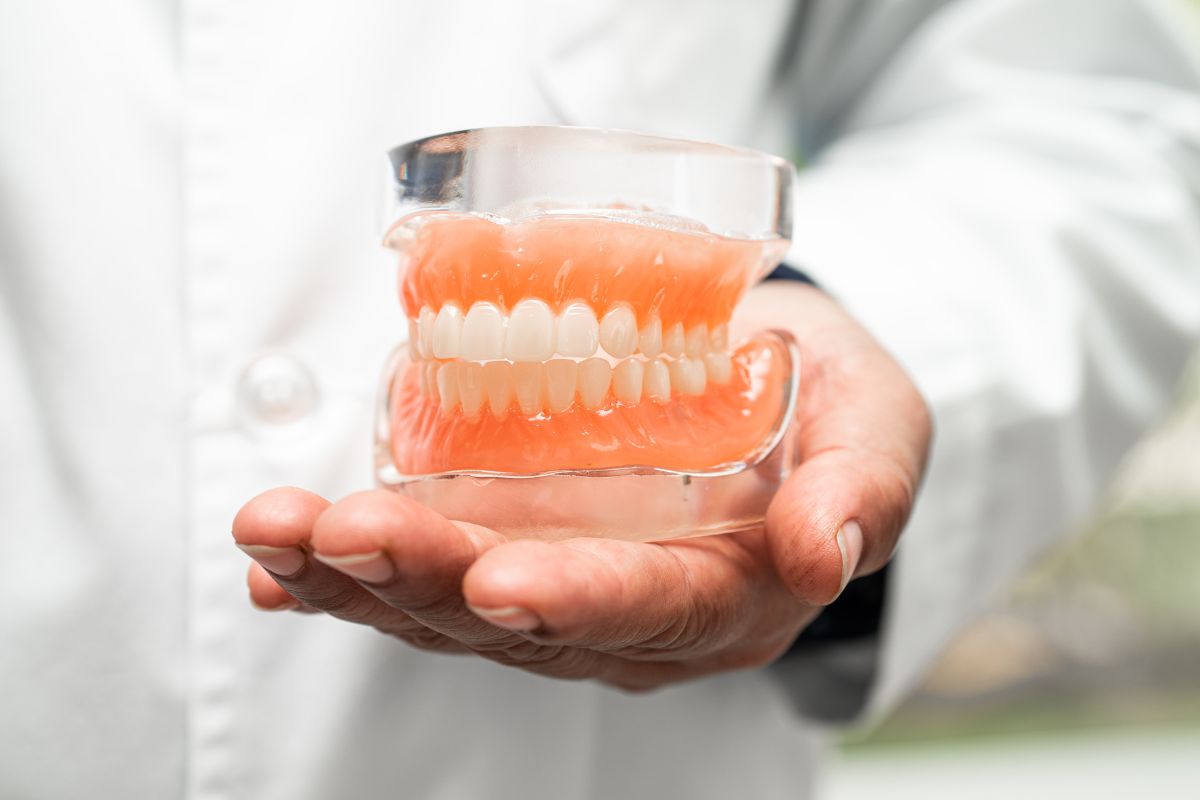
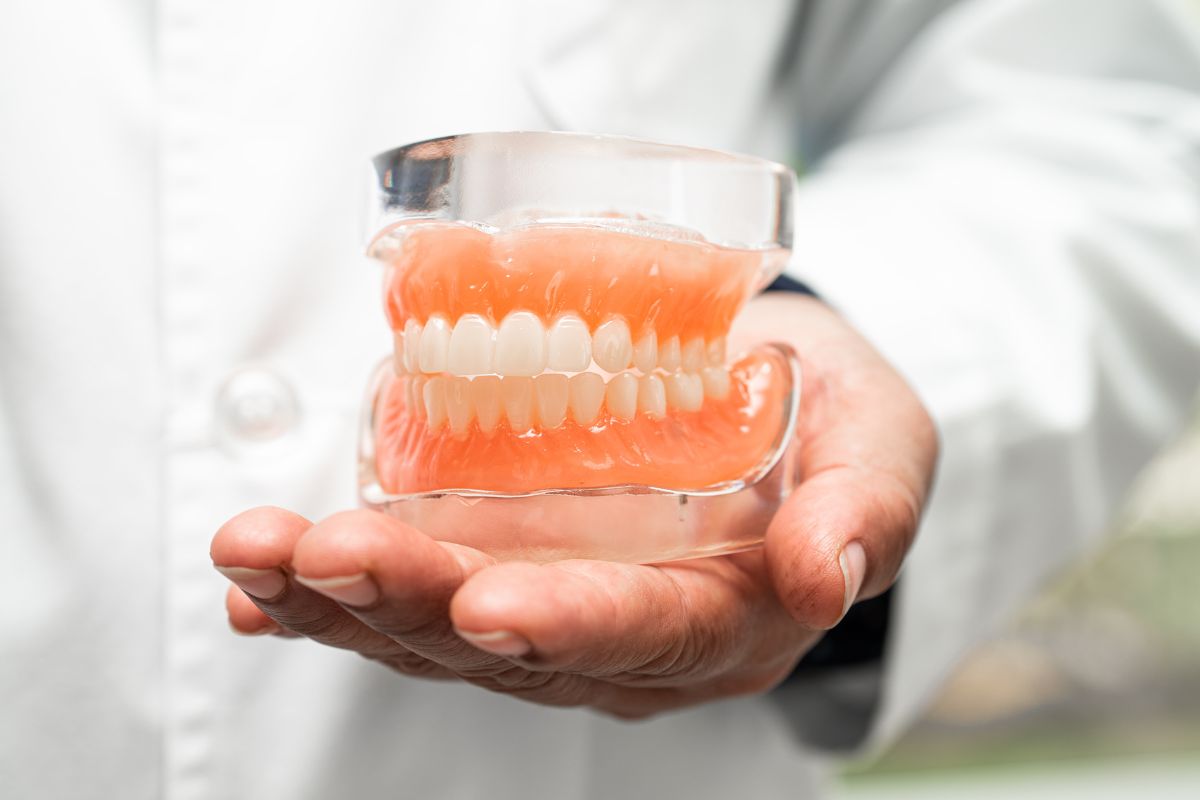
If you are preparing to receive immediate dentures, it is important to know how they may affect your ability to eat and speak during the first few days. Most patients experience mild changes at first because the mouth is healing while learning to function with new teeth. For patients in Lakeland, these changes are temporary and expected. With proper dental care and realistic expectations, eating and speaking typically improve steadily within the first few weeks.
At our dental clinic, patients are guided through each stage of this transition with clinical precision and patient-focused care. Understanding what happens early on helps reduce anxiety and leads to a smoother recovery.
Understanding Immediate Dentures
Immediate dentures are placed on the same day natural teeth are removed. This allows patients to leave the dental office with teeth already in place, which supports facial structure, protects healing gums, and maintains everyday function.
From a clinical standpoint, these dentures act as a protective covering over the extraction sites while tissues recover. In many cases, immediate dentures are recommended when several teeth are removed at once, allowing patients to maintain appearance and basic function during healing without a toothless period.
How Eating Feels During the First Stage of Dentures
Early Changes in Chewing
During the first week, chewing may feel unfamiliar. The gums are healing, and the dentures sit on tissues that are still adjusting. This can make biting pressure feel different than before. Mild tenderness is common and usually improves as inflammation decreases.
Dentists with years of experience know that this adjustment period is normal and temporary. Patients are closely monitored to ensure that discomfort remains within a healthy range.
Best Food Choices While Healing
Soft foods are ideal during early recovery. Items such as eggs, oatmeal, yogurt, mashed vegetables, soft fish, and soups help maintain nutrition without irritating the gums. Cutting food into smaller portions and chewing slowly on both sides of the mouth improves balance and control.
As healing progresses, firmer foods can be reintroduced gradually. Most patients regain confidence with eating sooner than expected when instructions are followed carefully.
How Immediate Dentures Affect Speech Initially
Speech Adjustments Are Normal
Speaking with immediate dentures may feel awkward at first. Certain sounds may require extra tongue movement until the muscles adapt to the new tooth surfaces. This is not a defect in the denture but a natural learning phase for the mouth.
Patients in Lakeland often notice speech improvement within days, especially when they practice reading aloud or having daily conversations.
Saliva Changes During Adjustment
An increase in saliva may occur early on. The body briefly treats the denture as a foreign object. This response fades naturally as the mouth adapts and usually resolves within a short period.
Healing, Fit, and Ongoing Adjustments
As gums heal after extractions, they naturally change shape. This can affect how snug the dentures feel. Routine follow up visits are essential so the dental team can make precise adjustments that maintain comfort and stability.
Experienced providers understand that immediate dentures are part of a process. As healing continues, relines or modifications may be recommended to ensure the dentures continue to function properly.
Patients seeking dentures in Lakeland benefit from working with a practice that emphasizes long term oral health rather than quick fixes.
Practical Tips for a Smoother Transition
Wearing dentures as directed supports healing and muscle adaptation. Maintaining good oral hygiene helps prevent irritation and infection. Avoiding very hot or sticky foods early on protects sensitive tissues. Contacting your dentist promptly if sore spots develop ensures small issues do not become larger problems.
These recommendations are based on decades of clinical observation and patient outcomes.
When Daily Activities Feel Normal Again
Most patients notice steady improvement within two to four weeks. Eating becomes more comfortable, speech feels natural, and confidence returns. Healing continues beneath the surface, but daily routines gradually normalize.
Every patient heals at a different pace. Having realistic expectations and professional support leads to better results and greater peace of mind.
What to Expect With Immediate Dentures
Immediate dentures do affect eating and speaking at first, but these changes are temporary and manageable. With proper care, guidance, and patience, most patients adapt smoothly and regain everyday comfort. Understanding the process helps patients feel informed, confident, and prepared throughout recovery.
If you are considering immediate dentures or have questions about recovery and adjustment, schedule a consultation with Memphis Dentures and Implants in Lakeland. A personalized evaluation can help you understand your options and take the next step toward a comfortable, functional smile.
FAQs
How long does it take to get used to immediate dentures?
Most patients begin to feel more comfortable within the first two weeks. Eating and speaking continue to improve as the gums heal and the mouth adapts. Full adjustment can take several weeks, depending on how quickly the tissues heal and how closely post care instructions are followed.
Is it normal for immediate dentures to feel loose at first?
Yes, this is common. As the gums heal after tooth removal, they naturally shrink, which can affect how the dentures fit. Follow up visits allow your dentist to make adjustments or recommend a reline to improve comfort and stability.
What foods should I avoid right after getting immediate dentures?
In the early stages, it is best to avoid hard, crunchy, sticky, or very hot foods. These can irritate healing gums or dislodge the dentures. Soft foods that require minimal chewing are recommended until soreness decreases.
Will immediate dentures affect my speech permanently?
No. Any speech changes are temporary. Most patients notice improvement within a few days as the tongue and lips adjust. Practicing speech at home often speeds up this process.
Can I remove my immediate dentures at night?
Your dentist will give specific instructions. In many cases, patients are advised to wear the dentures continuously for the first day or two to control swelling. After that, removing them at night may be recommended to allow the gums to rest.