For most patients in Lakeland, adjusting to Snap-In Implant Dentures usually takes about two to four weeks. Comfort while eating improves gradually as your jaw muscles and gums adapt to the new denture support. Early on, you may notice tenderness, increased saliva, or slight difficulty chewing, but these effects are temporary and part of the natural adjustment process. Understanding what to expect can make this transition smoother and help you regain confidence during meals.
Why Snap-In Implant Dentures Adjustment Takes Time?
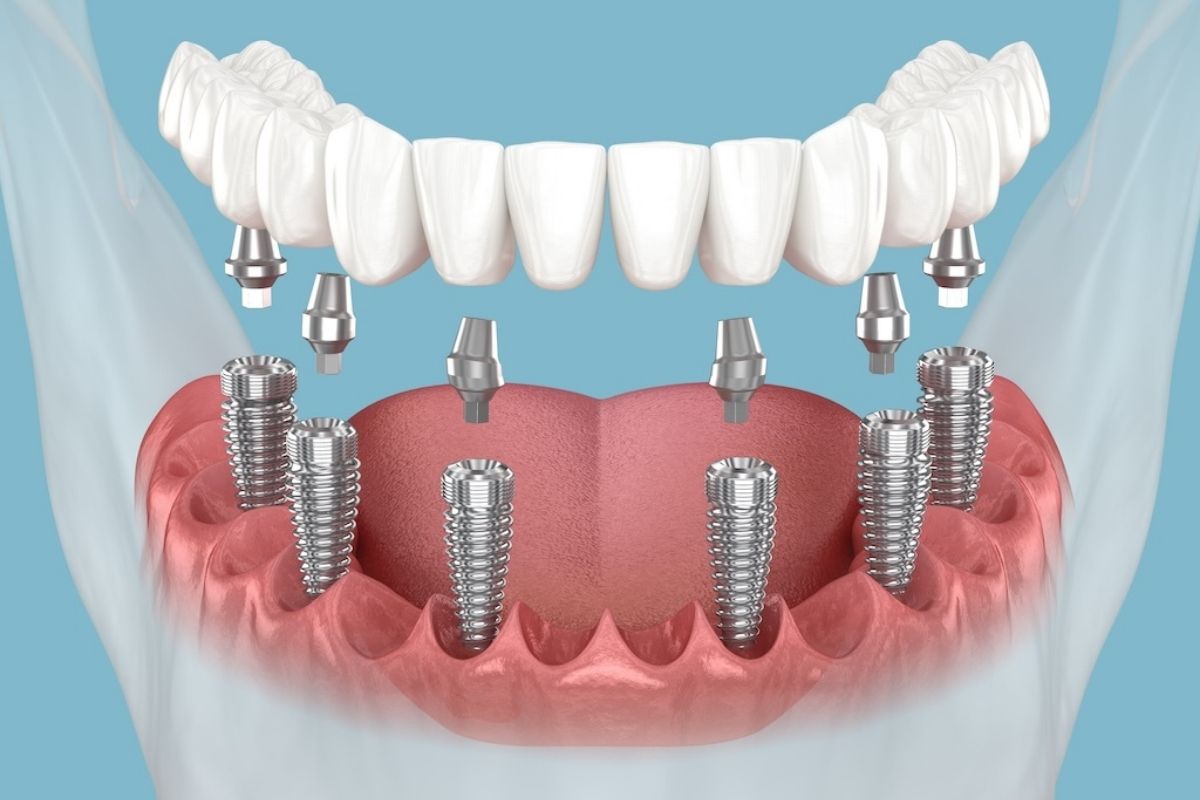
Snap-in implant dentures are designed to offer superior stability compared to traditional dentures. Because they attach directly to dental implants, they distribute chewing forces evenly and reduce slippage. However, your mouth has to relearn how to chew, bite, and move with the new structure. The process varies depending on factors like bite strength, jaw coordination, and how closely you follow dietary recommendations during the first few weeks.
Week-by-Week Guide to Eating Comfort
Week One: Start With Soft Foods
During the initial week, it is best to stick to soft, easy-to-chew foods such as scrambled eggs, yogurt, mashed potatoes, and soft pasta. Eating slowly and evenly on both sides helps your jaw adapt and reduces soreness. Patients often report slight discomfort, which typically improves each day as the gums settle around the implants.
Week Two: Gradually Introduce Medium-Texture Foods
Once the mouth begins to adjust, you can slowly add foods like steamed vegetables, fish, pancakes, and ground meats. Chewing carefully and alternating sides encourages even pressure and accelerates adaptation. At this stage, many people start noticing improved stability and a more natural feel when biting and chewing.
Week Three and Four: Reintroduce Firmer Foods
By the third week, chewing strength has usually improved, allowing you to enjoy sandwiches, grilled chicken, and softer raw vegetables. Full adjustment for most patients occurs by the fourth week, enabling a return to favorite meals with increased confidence. Harder or stickier foods should still be introduced cautiously to prevent discomfort or damage.
It is also important to remember the key questions to ask your prosthodontist before snap-in implant dentures, such as how long recovery may take and what dietary adjustments are recommended. Having clear guidance from a dental professional can make the adjustment period smoother and more predictable.
Tips for a Smoother Adjustment
- Chew slowly and evenly on both sides to prevent uneven pressure
- Stay consistent with daily wear to allow muscles to adapt
- Cut hard foods into smaller pieces and avoid biting directly with the front teeth at first
- Sip water during meals to aid swallowing and reduce friction
- Attend follow-up appointments to ensure proper fit and avoid long-term discomfort
Patients who follow these tips often regain normal eating habits faster and experience less irritation. Consistent care also protects the longevity of the implants and dentures, ensuring a more stable and comfortable bite over time.
Why Snap-In Implant Dentures Improve Eating Over Time
Unlike conventional dentures, snap-in implant dentures are anchored to dental implants, giving patients more biting power and stability. Over time, as the jaw muscles adapt, chewing becomes more efficient, and patients can eat a wider variety of foods comfortably. Many people notice a significant improvement in their ability to enjoy meals within the first month.
Living in Lakeland, patients appreciate not only the improved oral function but also the confidence to eat and speak naturally without fear of slippage. This positive experience often encourages individuals to maintain proper oral hygiene and attend routine check-ups, which are crucial for long-term success.
Long-Term Expectations
Once fully adjusted, most patients can enjoy a broad range of foods, including crunchy vegetables, lean meats, and breads, while maintaining excellent oral health. Regular dental visits ensure the implants remain secure, the dentures fit properly, and any minor adjustments are addressed promptly. Avoiding habits like chewing ice or biting hard objects helps preserve the restoration and ensures comfort for years to come.
Conclusion
Adjusting to eating with Snap-In Implant Dentures in Lakeland is a gradual but manageable process. With realistic expectations, proper guidance, and consistent practice, most patients achieve full comfort within two to four weeks. For personalized support and professional recommendations, Memphis Dentures & Implants can help you navigate this transition and enjoy a confident, functional smile. Schedule a consultation today to get expert guidance on your snap-in implant dentures and start enjoying meals comfortably again.
FAQs
How long does it usually take to get used to eating with snap-in implant dentures?
Most patients in Lakeland adjust to eating with snap-in implant dentures within two to four weeks. The initial phase may involve mild tenderness or slight difficulty chewing, but following a gradual dietary progression and proper bite practice usually makes the transition smoother.
What foods should I start with after getting snap-in implant dentures?
During the first week, soft foods like yogurt, mashed potatoes, scrambled eggs, and soft pasta are recommended. Gradually, you can introduce medium-textured foods such as fish, steamed vegetables, and ground meats before moving to firmer foods like sandwiches and lean meats.
Are snap-in implant dentures more comfortable than traditional dentures?
Yes. Snap-in implant dentures attach to dental implants, offering better stability and chewing efficiency than removable dentures. This reduces slippage and allows patients to enjoy a wider variety of foods more comfortably.
Will it hurt to eat with snap-in implant dentures at first?
Some mild soreness or tenderness is normal during the first few weeks as your gums and jaw muscles adjust. Using soft foods and chewing evenly on both sides helps reduce discomfort. If soreness persists, a follow-up visit can ensure proper fit and adjustment.
How can I speed up the adjustment process?
Chewing slowly, alternating sides, staying consistent with daily wear, cutting hard foods into smaller pieces, and sipping water during meals can accelerate adaptation. Following professional guidance from your dentist ensures a smoother transition.