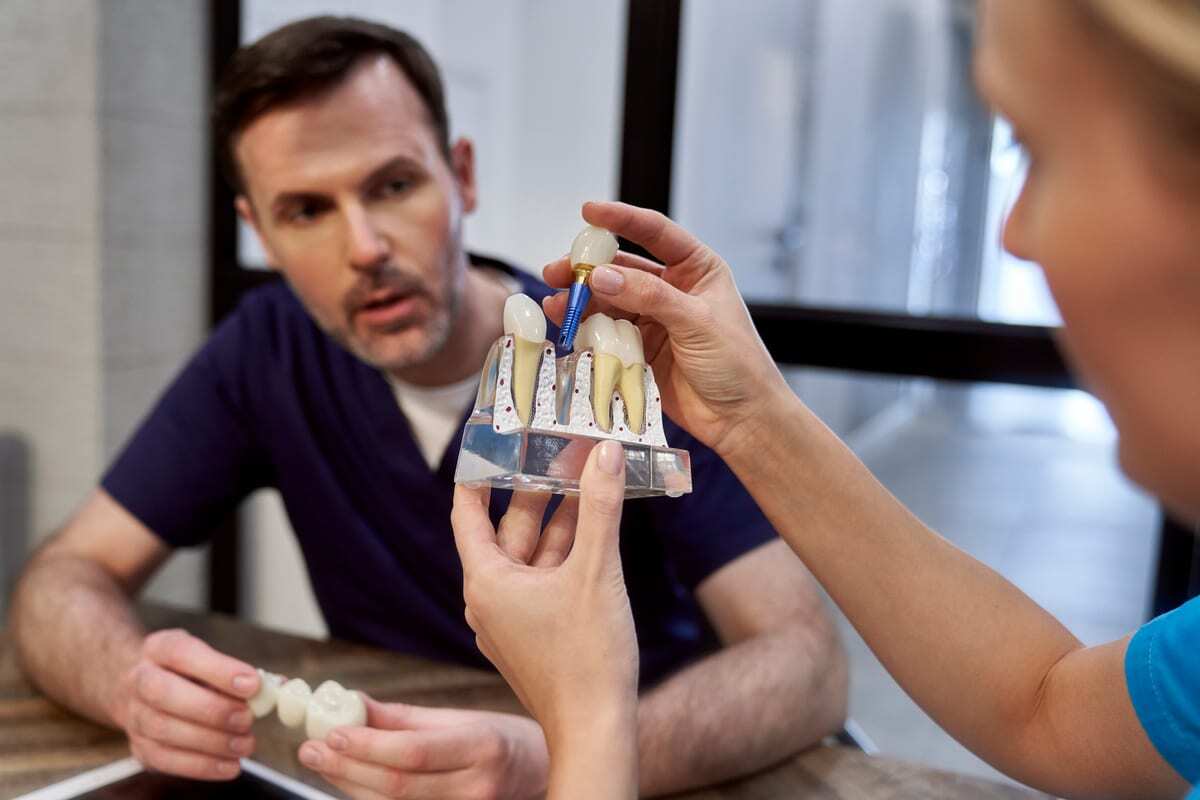
If you’ve been living with missing teeth, you’ve probably asked yourself this question. Am I actually a candidate for dental implants? Find out now in Lakeland — because the answer may surprise you. Many patients assume they don’t qualify. The truth is, most healthy adults are better candidates than they think. Dr. Wes Johnson at Memphis Dentures and Implants helps patients across Lakeland, TN evaluate their options with honesty and care.
What Makes Someone a Good Candidate for Dental Implants in Lakeland?
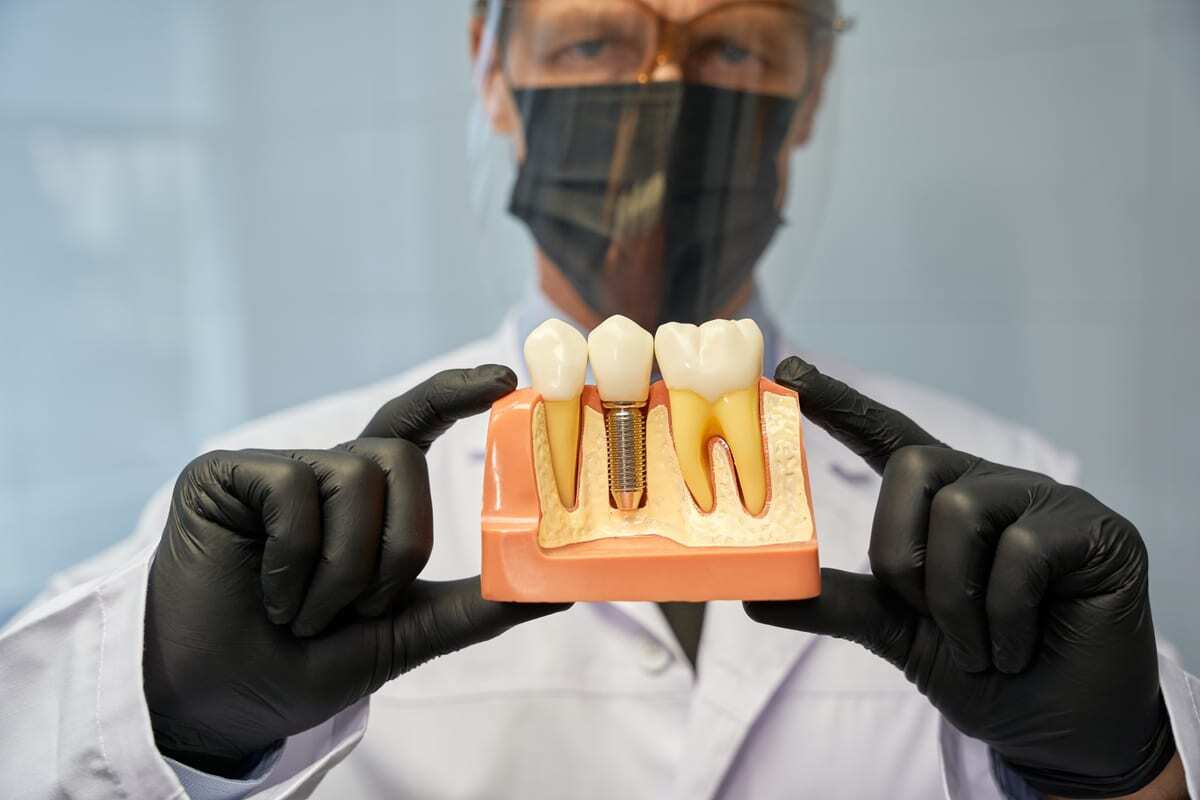
Dental implants work by fusing with your jawbone. That process is called osseointegration. For it to succeed, your body needs to support healing and bone bonding. Most adults can meet these requirements with the right preparation.
Here are the core factors Dr. Johnson evaluates during a candidacy consultation:
- Sufficient jawbone density to anchor the implant post
- Healthy gum tissue free from active infection
- Overall good general health and immune function
- A commitment to good oral hygiene habits
- No untreated dental conditions like decay or gum disease
Meeting all of these criteria puts you in an excellent position. Even if you fall short in one area, treatment may still be possible. Many candidacy issues are correctable before implant placement begins. That’s why a thorough consultation matters so much.
If you’re exploring your options, learning about Dental Implants Lakeland is the best first step. Dr. Johnson’s team will walk you through every factor in plain language.
Does Age Affect Your Eligibility for Dental Implants?
Age is one of the most common concerns patients bring to our office. The good news is that there is no upper age limit for dental implants. Adults in their 70s and 80s successfully receive implants every year. What matters far more than age is your overall health status.
On the younger end, implants are typically not placed until jaw growth is complete. That usually happens around age 18 for most patients. Placing implants too early can cause alignment problems as the jaw continues to develop. Teens with missing teeth often use a temporary solution until they reach adulthood.
Older patients tend to have excellent outcomes when their health is well-managed. Bone density may naturally decrease with age, but this is often addressable. Bone grafting procedures can build up the area before implant placement. Dr. Johnson will assess your bone levels and discuss all options honestly.
How Do Health Conditions and Smoking Impact Candidacy?
Certain health conditions can affect how well your body heals after implant surgery. This doesn’t automatically disqualify you. It simply means your care plan needs to account for those factors. Dr. Johnson takes a thorough medical history before recommending any treatment.
Conditions that require extra evaluation include:
- Diabetes — Well-controlled diabetes often presents little added risk. Poorly managed blood sugar can slow healing significantly.
- Osteoporosis — Bone-thinning medications may affect implant success rates and require a specialist review.
- Heart conditions — Some medications or procedures require coordination with your physician.
- Autoimmune disorders — These may affect healing and need careful management before surgery.
- Active cancer treatment — Implants are typically delayed until treatment is complete and recovery is stable.
Smoking is one of the most significant risk factors for implant failure. Tobacco reduces blood flow to the gums and slows the healing process. Smokers have a meaningfully higher rate of implant complications. Quitting smoking before treatment dramatically improves your chances of long-term success.
Dr. Johnson will have an honest conversation about your habits and history. The goal is never to judge — it’s to give you the best possible outcome.
What If You Don’t Have Enough Bone Density?
Low bone density is one of the most common reasons patients think they can’t get implants. But this is rarely the end of the road. Bone grafting has become a routine and reliable part of implant dentistry. Many patients who once felt hopeless now have beautiful, stable implants.
A bone graft adds volume to areas where bone has been lost. This can happen due to tooth loss, gum disease, or the natural aging process. After grafting, the area heals over several months before implant placement begins. The wait is worth it for a strong, lasting result.
Patients across the Memphis metro area — including those searching for Dental Implants Bartlett Cordova Lakeland — often discover that bone grafting opens doors they thought were closed. Technology has advanced significantly in recent years. Dr. Johnson uses modern diagnostic imaging to assess your bone levels with precision. You’ll always know exactly where you stand before any procedure begins.
What Are Your Options If Traditional Implants Aren’t Right for You?
Not every patient is a candidate for traditional single-tooth implants right away. That doesn’t mean you’re out of options. Memphis Dentures and Implants offers a range of implant-supported solutions designed for different needs. Dr. Johnson will match the right treatment to your unique situation.
Some patients do very well with Snap In Implant Dentures. These use fewer implant posts to anchor a full arch of replacement teeth. They’re often a great option for patients with more significant bone loss. They provide far more stability than traditional dentures alone.
Implant-Supported Dentures offer another excellent alternative for full-arch restoration. Full Mouth Implants can replace an entire arch with a fixed, permanent solution. Sedation Dentistry is also available for patients who feel anxious about any procedure. Comfort and confidence are part of every care plan here.
Take the First Step Toward Finding Out in Lakeland
You don’t have to keep guessing whether implants are right for you. A simple consultation with Dr. Wes Johnson gives you real answers based on your specific situation. There’s no pressure and no obligation — just clear, honest information. Patients in Lakeland, TN deserve to make informed decisions about their dental health.
The sooner you find out where you stand, the sooner you can start moving toward a healthier, more confident smile. Dr. Johnson and the Memphis Dentures and Implants team are ready to help. Book Now to schedule your appointment with our team.
Frequently Asked Questions
Can I get dental implants if I have dentures already?
Yes, many denture wearers are excellent candidates for implant-supported options. Snap In Implant Dentures and Implant-Supported Dentures are specifically designed for this situation. Dr. Johnson can evaluate whether your current bone levels support implant placement. If bone grafting is needed first, that option is also available.
How long does the dental implant process take from start to finish?
The timeline varies depending on your individual treatment plan. A straightforward case may take three to six months from placement to final restoration. If bone grafting is required, the process may take longer to allow proper healing. Dr. Johnson will give you a realistic timeline during your consultation.
Is the dental implant procedure painful?
Most patients report far less discomfort than they expected. Local anesthesia is used during the procedure to keep you comfortable. Sedation Dentistry options are also available for patients with dental anxiety. Post-procedure soreness is typically mild and manageable with over-the-counter pain relief.
What happens if I smoke — can I still get implants?
Smoking increases the risk of implant failure, but it does not automatically disqualify you. Dr. Johnson will have an honest conversation about your habits and the associated risks. Patients who quit smoking before and after surgery have significantly better success rates. A personalized plan can be created to support both your health and your implant goals.
Does bone loss from gum disease mean I can’t get implants?
Bone loss from gum disease is common, but it’s often treatable before implant placement. Gum disease must be fully resolved before any implant procedure begins. Bone grafting can then restore the volume needed to support an implant. Many patients with a history of gum disease go on to have successful implants with proper care.