If you have been living with missing teeth or uncomfortable dentures, you may be asking yourself: Am I really a candidate for full mouth implants in Lakeland? It is one of the most common questions Dr. Wes Johnson hears at Memphis Dentures and Implants. The honest answer is that most people are candidates — but a proper evaluation is essential. Understanding what makes someone a good fit helps you make an informed, confident decision.
What Does ‘Candidacy’ for Full Mouth Implants Actually Mean?
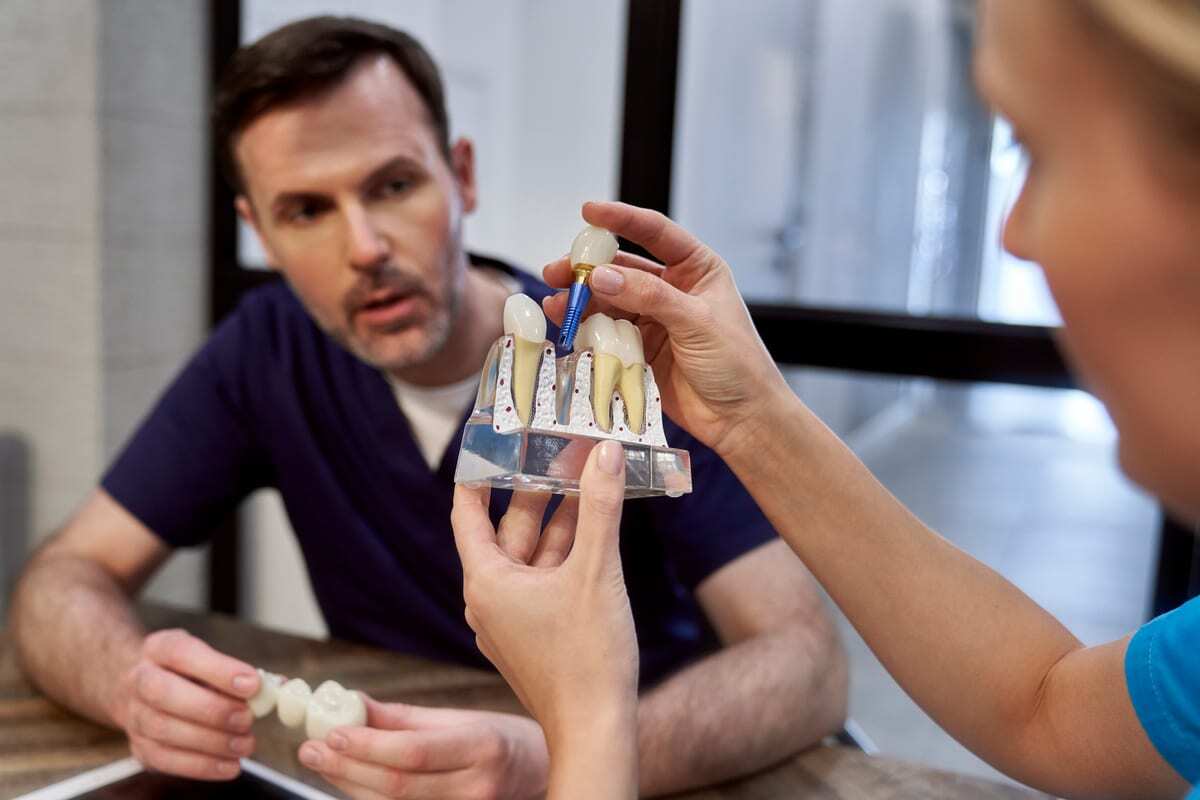
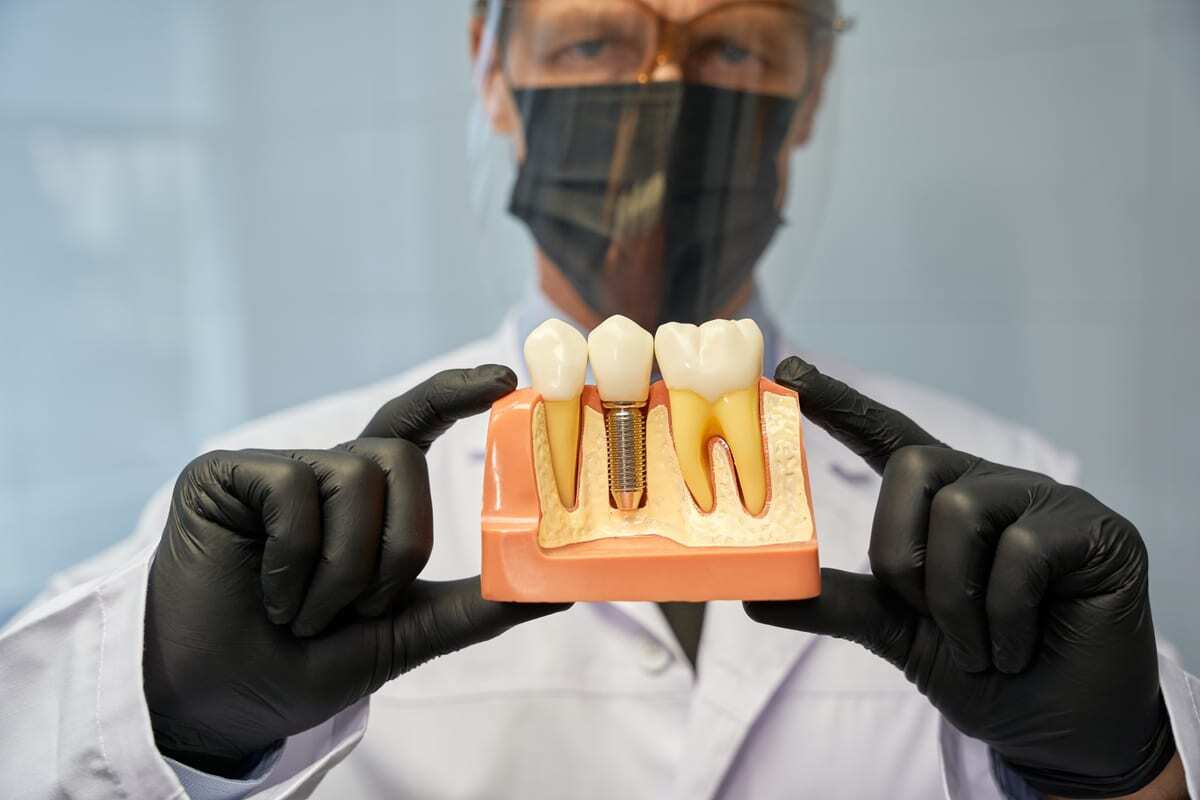
Candidacy simply means whether your body and oral health can support implants long-term. Implants are titanium posts placed directly into your jawbone. They require enough bone to fuse with and healthy surrounding tissue to stay stable. A thorough exam helps Dr. Johnson determine exactly where you stand.
Many patients assume they are not candidates before they even ask. That assumption is often wrong. Modern implant techniques and bone grafting options have expanded who qualifies significantly. Do not rule yourself out before speaking with an experienced implant dentist.
If you are researching Dental Implants Lakeland, know that a consultation is the only true way to confirm candidacy. No online quiz or checklist can replace a professional evaluation with imaging.
Age and Full Mouth Implants — Is There a Limit?
Age is one of the most misunderstood factors in implant candidacy. Patients in their 70s and 80s successfully receive full mouth implants every year. There is no upper age limit that automatically disqualifies you. What matters far more is your overall health and bone quality.
On the younger end, implants are typically not placed until jaw development is complete. That usually means patients must be 18 or older. For most adults in Lakeland, age simply is not the barrier they fear it is.
Older patients may have other health considerations to discuss, but age alone is rarely a deal-breaker. Dr. Johnson evaluates each patient as an individual — not as a number.
Bone Density, Health Conditions, and Candidacy in Lakeland
Bone density is the most critical biological factor for implant success. Your jawbone must be thick and dense enough to anchor the titanium post securely. When teeth are missing for a long time, the bone beneath them can shrink. This is called bone resorption, and it is very common.
The good news is that bone grafting can rebuild lost bone in many cases. A graft adds volume and density before implant placement. This means even patients with significant bone loss may still qualify after a preparatory procedure.
Certain health conditions do require careful consideration. These include:
- Uncontrolled diabetes, which can slow healing
- Active gum disease or untreated oral infections
- Autoimmune disorders that affect tissue healing
- Osteoporosis, particularly when treated with certain medications
- Recent radiation therapy to the jaw or head area
None of these conditions are automatic disqualifiers. Many are manageable with the right preparation and coordination with your physician. Honest communication with Dr. Johnson about your full medical history helps ensure the safest outcome possible.
Does Smoking Affect Your Eligibility for Full Mouth Implants?
Smoking is one of the most significant risk factors for implant failure. Tobacco reduces blood flow to the gums and jawbone. This slows healing and increases the chance of infection after surgery. Patients who smoke do face a higher complication rate than non-smokers.
However, smoking does not automatically disqualify you from receiving implants. Many smokers do successfully receive and keep implants for decades. The key is honest discussion and realistic expectations before treatment begins.
Dr. Johnson will counsel you on how quitting or significantly reducing smoking before and after surgery improves your odds. Even cutting back in the weeks surrounding your procedure makes a measurable difference. Your commitment to the process matters as much as your starting point.
What to Expect During Your Candidacy Evaluation
The candidacy process at Memphis Dentures and Implants is thorough but straightforward. Here is what a typical evaluation looks like:
- Comprehensive oral exam — Dr. Johnson examines your teeth, gums, and existing bone structure.
- 3D imaging or X-rays — These reveal bone depth, density, and the position of nerves and sinuses.
- Medical history review — You discuss current medications, health conditions, and past treatments.
- Treatment planning — Dr. Johnson outlines your personalized path, including any preparatory steps needed.
- Open Q&A — You get honest answers to every concern before moving forward.
This process ensures there are no surprises. You leave understanding exactly what your treatment will involve and why each step matters. Patients who feel informed tend to have better experiences and outcomes.
Patients across the area exploring Dental Implants Bartlett Cordova Lakeland can also be seen at Memphis Dentures and Implants for a full evaluation. Dr. Johnson serves patients from surrounding communities throughout the region.
Benefits of Full Mouth Implants for the Right Candidate
When you are a good candidate, full mouth implants offer life-changing advantages over traditional dentures. Understanding these benefits helps you see why so many patients pursue this option.
- Implants function like natural teeth — you eat, speak, and smile confidently
- They preserve jawbone by stimulating bone tissue the way natural roots do
- No adhesives, slipping, or daily removal required
- With proper care, implants can last decades or even a lifetime
- They support facial structure, preventing the sunken look that missing teeth cause
- Snap-in and implant-supported denture options offer flexibility at different investment levels
These benefits make the evaluation process well worth your time. Even if you need preparatory work first, the long-term result is a stable, permanent solution that improves your daily life.
Take the First Step Toward Knowing for Sure
The only way to know if you are truly a candidate for full mouth implants in Lakeland is to sit down with Dr. Wes Johnson for an honest, no-pressure evaluation. Most people are candidates — sometimes with a little preparation first. Do not let fear or assumptions keep you living with discomfort or embarrassment. Book Now to schedule your appointment with our team.
Frequently Asked Questions
Can I get full mouth implants if I have been wearing dentures for years?
Yes, many long-term denture wearers do transition to full mouth implants. However, years of wearing dentures often leads to bone loss beneath the gums. Dr. Johnson will assess your bone volume with imaging and determine whether a bone graft is needed before implant placement. Many patients in this situation still move forward successfully.
What if my dentist previously told me I am not a candidate?
Implant technology and techniques have advanced significantly in recent years. A previous evaluation may no longer reflect your current options. It is always worth seeking a second opinion from a dentist who specializes in implant dentistry. Dr. Johnson has helped many patients who were told they did not qualify elsewhere.
How long does the full mouth implant process take from evaluation to final result?
The timeline varies depending on each patient’s needs. Some cases are completed in a few months, while others involving bone grafting or additional preparation may take six months to over a year. Dr. Johnson will give you a realistic timeline during your consultation so you know exactly what to expect.
Is sedation available for patients who are anxious about the implant process?
Yes. Memphis Dentures and Implants offers sedation dentistry for patients who feel nervous about their procedure. Sedation helps you stay relaxed and comfortable throughout treatment. Dr. Johnson and his team prioritize patient comfort at every stage of care.
Does bone loss from gum disease mean I cannot get implants?
Not necessarily. Gum disease must be treated and brought under control before implant surgery can begin. Once your gums are healthy, Dr. Johnson can evaluate whether bone grafting is needed to restore lost volume. Many patients with a history of gum disease do go on to receive successful full mouth implants.