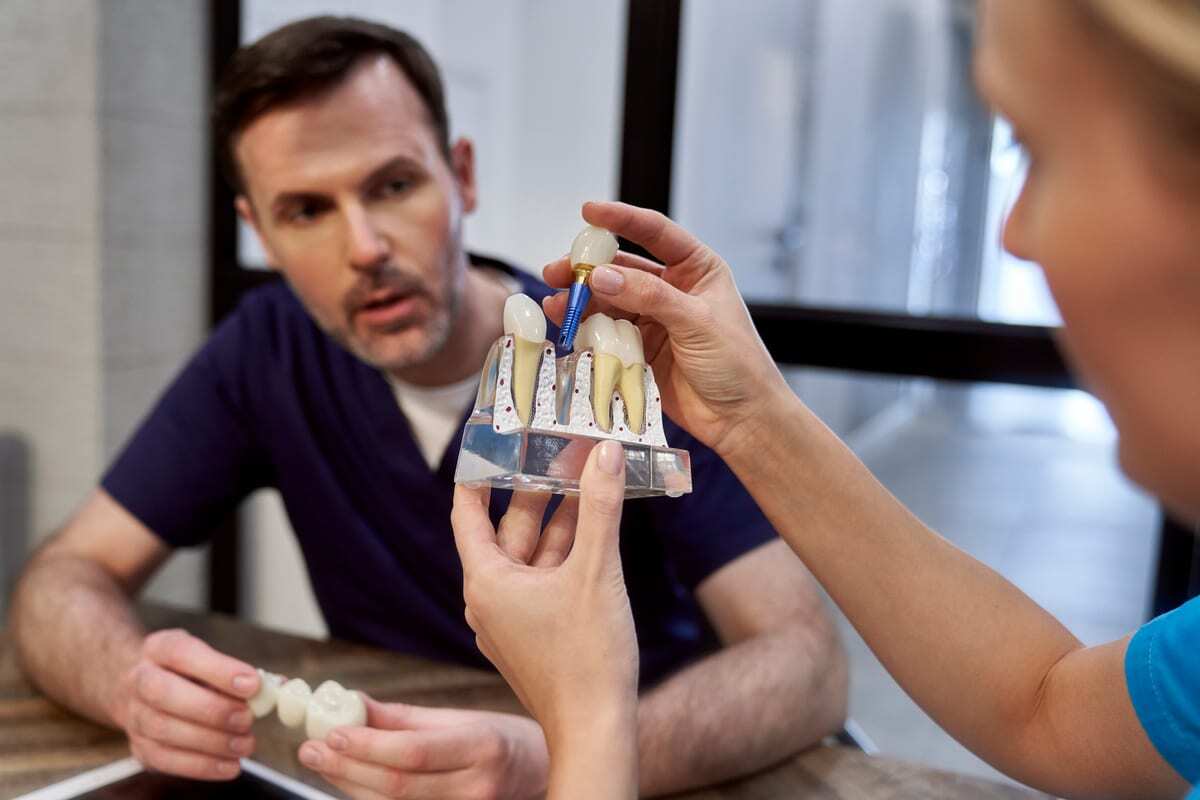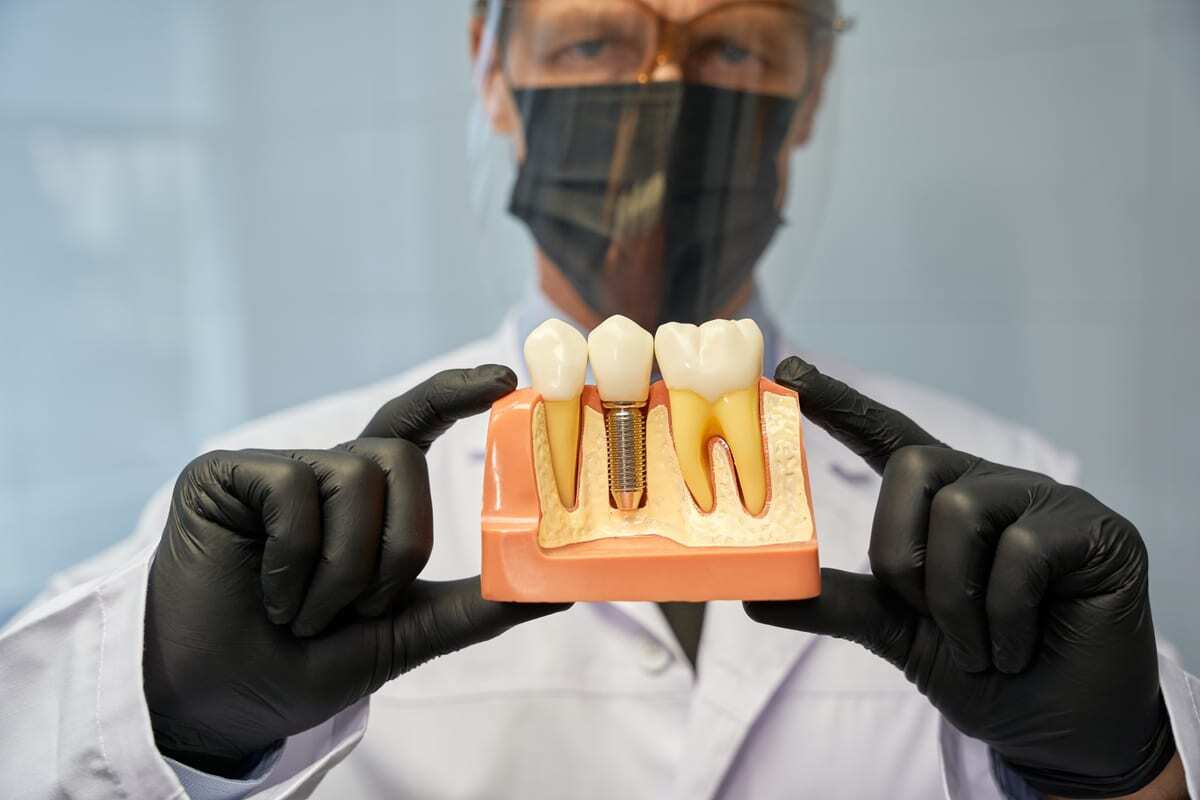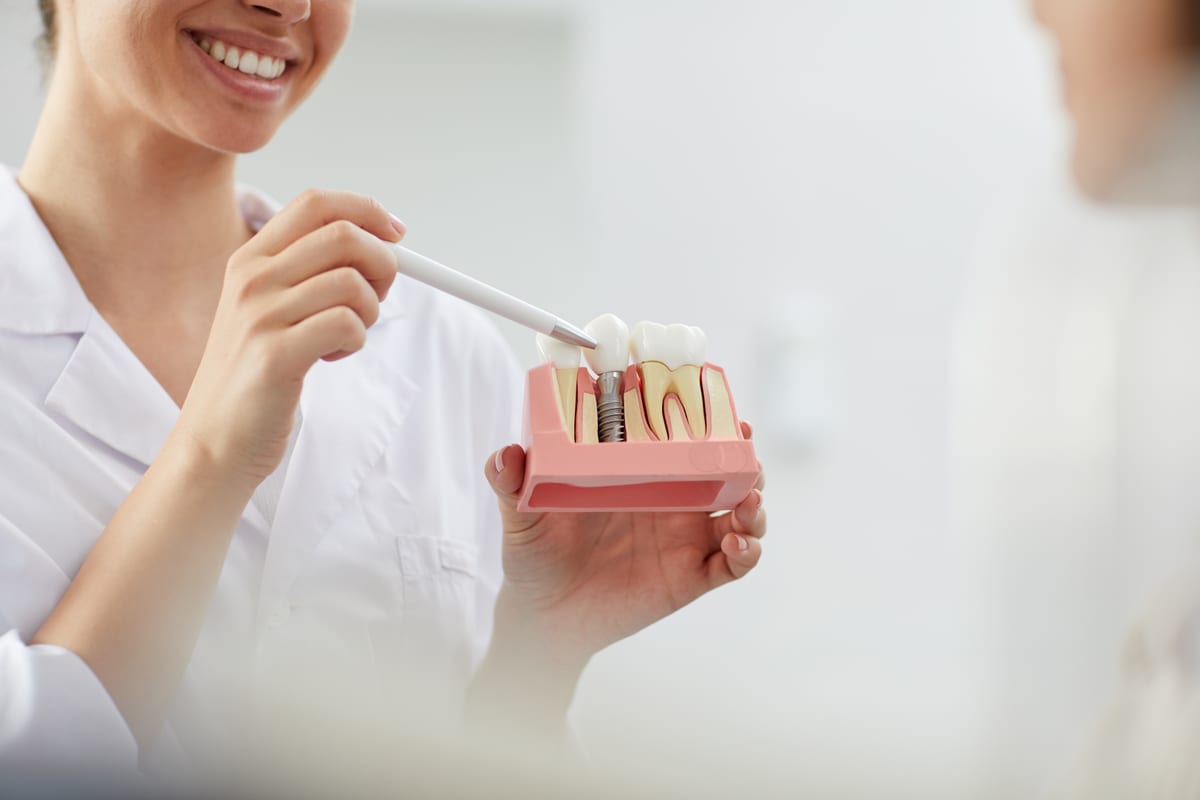
If you’ve been wondering whether you’re actually a good candidate for dental implants in Lakeland, you’re not alone. Many patients come to Memphis Dentures and Implants with that exact question. The honest answer is that most people qualify — but not everyone does right away. Dr. Wes Johnson, DDS walks patients through a clear, personalized evaluation before recommending any treatment.
Dental implants are one of the most durable, natural-feeling tooth replacement options available today. But they require the right foundation to succeed. Understanding what makes a strong candidate helps you feel confident walking into your consultation.
What Does ‘Good Candidate’ Actually Mean for Dental Implants in Lakeland?
Being a good candidate means your body can support the implant process — from the surgical placement to the healing phase. Implants fuse directly to your jawbone through a process called osseointegration. That fusion requires healthy bone tissue and a body that can heal properly.
Candidacy is not a simple checklist. It involves your overall health, your oral health, and your habits. Dr. Johnson evaluates all of these factors before making any recommendation. No two patients are identical, and your plan should reflect your specific situation.
Here are the core factors that Dr. Johnson considers during an implant evaluation:
- Jawbone density and volume
- Gum health and presence of periodontal disease
- Overall medical history and systemic health
- Smoking or tobacco use habits
- Age and jaw development status
- Current medications that may affect healing
Does Bone Density Affect Your Candidacy for Dental Implants?
Bone density is one of the most important factors in implant candidacy. Implants need a solid jawbone to anchor into. If you’ve been missing teeth for a while, your bone may have started to shrink — a process called bone resorption.
The good news is that thin or low-density bone doesn’t automatically disqualify you. Bone grafting is a common procedure that rebuilds lost bone before implant placement. Many Lakeland patients who initially think they don’t qualify become excellent candidates after a graft.
Some patients who have worn traditional Dentures Lakeland for years experience significant bone loss. That’s one reason implant-supported options are often a better long-term choice. They stimulate the jawbone the way natural tooth roots do, preventing further deterioration.
A 3D cone beam scan at our Lakeland office gives Dr. Johnson a precise look at your bone structure. This imaging makes it possible to plan your treatment with confidence and accuracy.
Can Age or Health Conditions Rule You Out?
Age is rarely a barrier for dental implants. Adults of any age can qualify as long as their jaw has finished developing. For younger patients, that typically means waiting until the late teens. For older adults, implants remain a highly successful option well into the 70s and beyond.
Certain medical conditions do require closer attention. These include:
- Uncontrolled diabetes, which can slow healing
- Autoimmune conditions that affect tissue regeneration
- Osteoporosis, especially when treated with bisphosphonate medications
- Active cancer treatment, particularly radiation to the jaw area
- Bleeding disorders that complicate surgical procedures
Many of these conditions don’t permanently disqualify you. They may simply require coordination with your physician or a modified treatment timeline. Dr. Johnson takes a thorough medical history to identify any factors that need to be addressed before moving forward.
If you’ve had teeth removed recently, a referral for Dentures Extractions Lakeland may be part of your overall treatment plan. Healing after an extraction is a natural part of preparing your mouth for implants.
Does Smoking Affect Whether You Qualify for Implants?
Smoking is one of the most significant risk factors for implant failure. Tobacco restricts blood flow and slows the healing process after surgery. That directly impacts how well the implant fuses to the bone during osseointegration.
Studies consistently show that smokers have higher implant failure rates than non-smokers. That doesn’t mean smokers can never get implants — but it does mean honest conversation is necessary. Dr. Johnson will discuss the risks openly and help you weigh your options.
Patients who commit to quitting smoking before and after surgery dramatically improve their success rates. Even reducing tobacco use significantly lowers the risk of complications. Your candidacy improves the more you’re able to support the healing process.
Vaping and smokeless tobacco carry similar risks and should be disclosed during your consultation. Being transparent with Dr. Johnson allows him to give you the most accurate picture of what to expect.
What If You’re Not Ready Yet? Other Options to Consider
Not everyone is ready for implants on day one — and that’s completely okay. Some patients need time to address gum disease, heal from extractions, or undergo bone grafting first. Others may want to explore intermediate options while they prepare for implants.
Snap-in implant dentures and implant-supported dentures are excellent alternatives for patients who want more stability than traditional dentures offer. These options use fewer implants and may be available even with some degree of bone loss. They also help preserve the bone that remains.
Sedation dentistry is available at Memphis Dentures and Implants for patients who feel anxious about any procedure. Dr. Johnson and the team prioritize your comfort at every stage. Feeling nervous doesn’t mean you have to avoid the care you need.
Your readiness for implants is a journey, not a deadline. The right time is whenever your oral health, overall health, and personal goals align. The team in Lakeland is here to support you through every step of that process.
How to Find Out If You Qualify at Memphis Dentures and Implants
The most reliable way to know your candidacy is a personal consultation with Dr. Wes Johnson. He uses detailed imaging and a thorough health review to give you a clear, honest answer. There’s no guesswork and no pressure — just straightforward information.
Memphis Dentures and Implants serves patients throughout the Lakeland, TN area with a focus on long-term results and patient education. Whether you’re just starting to explore implants or you’ve been thinking about them for years, a conversation with our team is the right first step. Book Now to schedule your appointment with our team.
Frequently Asked Questions
What is the minimum age for dental implants in Lakeland?
Most dental professionals recommend waiting until jaw development is complete, typically in the late teens. For younger patients, Dr. Johnson will assess bone maturity before proceeding. Adults of any age beyond that point are generally eligible based on their overall health and bone structure.
Can I get dental implants if I have gum disease?
Active gum disease must be treated before implant placement. Untreated periodontal disease can cause implant failure because the infection affects the supporting bone and tissue. Once your gum health is restored, implants often become a realistic and successful option.
How long does the implant process take from start to finish?
The timeline varies by patient and complexity. A straightforward implant case may take three to six months from placement to final restoration. Patients who need bone grafting or extractions first should expect a longer timeline to allow for complete healing before implant surgery.
Is bone grafting always required before dental implants?
No, bone grafting is only necessary when there isn’t enough bone volume to support an implant securely. Many patients have adequate bone and can proceed directly to implant placement. A 3D scan at our Lakeland office determines exactly what your jaw requires.
What makes implant-supported dentures different from traditional dentures?
Implant-supported dentures attach to implants anchored in the jawbone, providing far greater stability than traditional dentures. They don’t slip during eating or speaking, and they help preserve jawbone over time. Patients who have experienced bone loss from wearing traditional dentures often find this option restores both function and confidence.