When several teeth are failing, badly damaged, or already missing, full-mouth dental implants may offer a way to rebuild the smile with stable, long-term tooth replacements. Unlike traditional dentures that rest on the gums, implant-supported teeth are anchored to dental implants placed in the jawbone. For patients considering full mouth restoration in Lakeland, understanding how implants work, who may benefit, and what treatment involves can help make the decision more informed.
When Should You Consider Full Mouth Restoration?
Not every damaged tooth needs to be removed. In some cases, fillings, crowns, root canal treatment, or other restorative procedures can preserve natural teeth. However, when multiple teeth have severe decay, advanced damage, extensive wear, or poor long-term prognosis, replacing them may provide a more practical solution. A dental evaluation can determine whether individual teeth can be saved or whether replacing several teeth would provide better overall function.
For people who have already lost many teeth, implant-supported restoration can also provide an alternative to conventional removable dentures. If you are researching full-mouth implant treatment in Lakeland, an in-person examination is the best way to determine whether implant restoration is appropriate for your specific situation.
How Do Full Mouth Dental Implants Work?
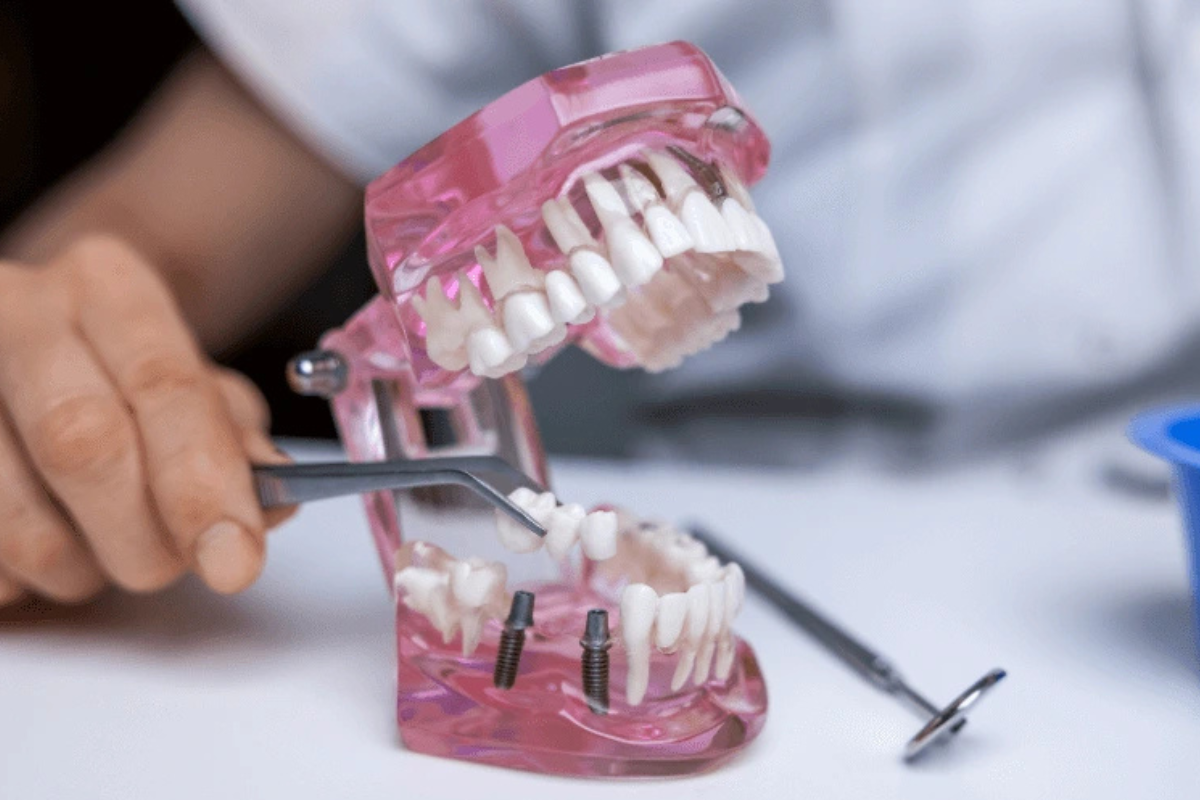
Full mouth implant treatment does not necessarily mean placing one implant for every missing tooth. Instead, several strategically positioned implants can support a fixed bridge or full-arch restoration.
The process generally includes:
- Comprehensive evaluation: Your dentist examines your teeth, gums, bite, and jawbone. Digital imaging may be used to plan treatment.
- Treatment planning: The number and position of implants depend on your oral health, bone structure, and planned restoration.
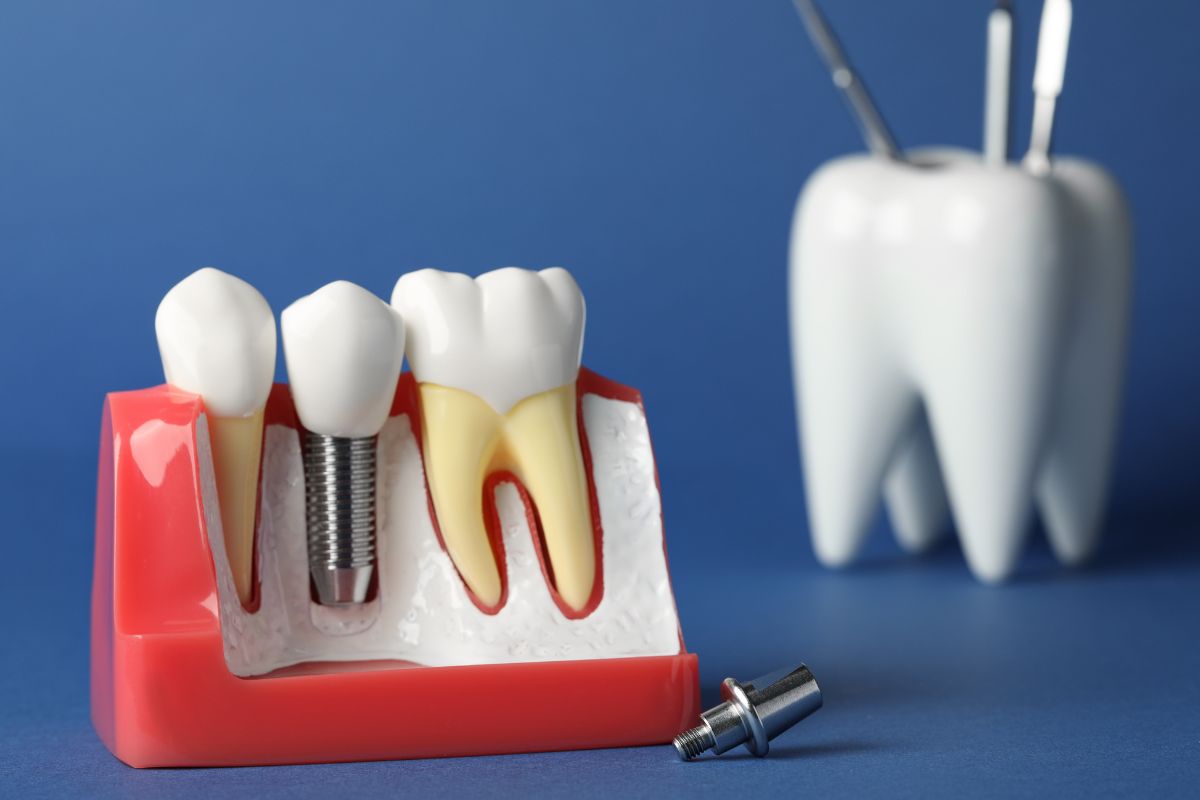
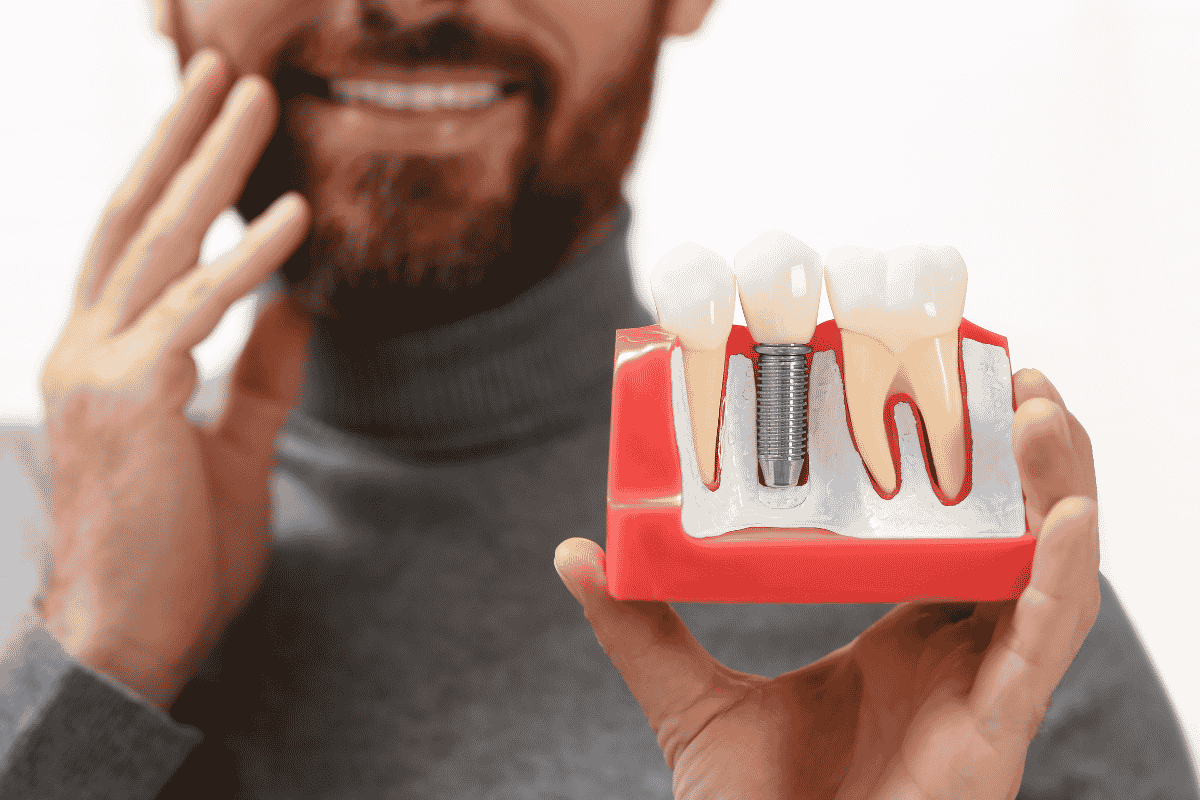
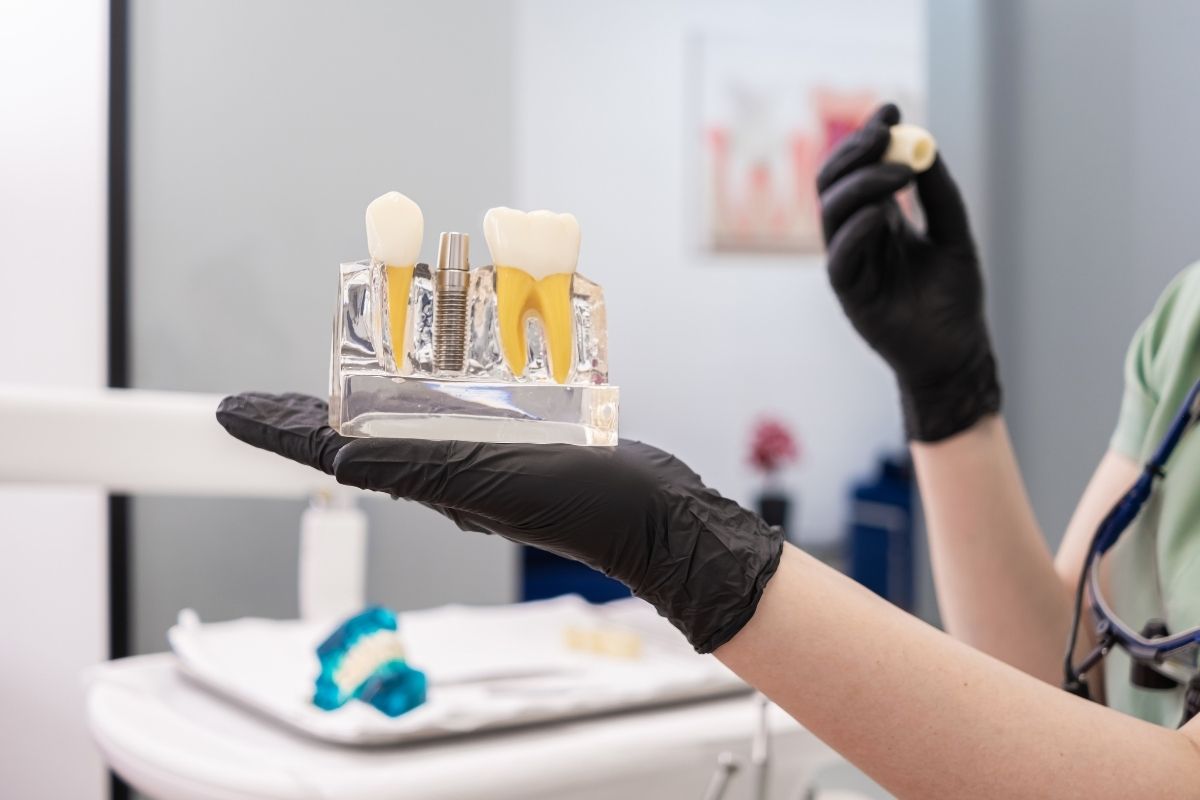
- Implant placement: Small titanium posts are surgically positioned in the jawbone to act as artificial tooth roots.
- Healing and integration: The implants need time to bond with the surrounding bone, a process known as osseointegration.
- Final restoration: Once healing is complete, a custom-made fixed bridge or full-arch prosthesis is attached to the implants.
Depending on your circumstances, additional procedures such as bone grafting may be recommended before or during implant treatment.
What Are the Benefits of Implant-Supported Teeth?
One of the main advantages of implant-supported teeth is stability. Because the restoration is anchored to implants, it does not move in the same way a removable denture can.
Other potential benefits include:
- Improved chewing and biting ability
- Better support for facial structures
- A more secure fit than traditional removable dentures
- Replacement of missing teeth without relying entirely on neighboring teeth
- Improved confidence when speaking and eating
- A restoration designed to resemble natural teeth
Dental implants also stimulate the jawbone through normal forces placed on the implant. This can help reduce the bone loss that commonly occurs after tooth loss.
Who May Be a Good Candidate For Full Mouth Restoration?
A person considering full-mouth dental implants needs sufficient jawbone to support implants or must be able to undergo procedures that improve the available bone. Healthy gums and good overall oral health are also important. Certain medical conditions, medications, smoking habits, and oral health problems can affect healing and implant success. A dentist will review your medical and dental history before recommending treatment.
What About Dentures?
Traditional dentures remain an option for many patients and can replace missing teeth without implant surgery. However, they are removable and rely on the gums and underlying structures for support. Implant-supported dentures or fixed full-arch restorations may provide greater stability for patients who want a more secure replacement. The right choice depends on factors such as bone health, budget, medical history, personal preferences, and long-term treatment goals.
Why Professional Evaluation Matters
Full mouth restoration is a significant dental treatment, so it should begin with a detailed evaluation rather than a decision based solely on appearance. Our dentist can assess which teeth may be worth preserving, evaluate your gum and bone health, and discuss the available tooth replacement options.
Conclusion
When multiple teeth are failing, the goal is not simply to replace what has been lost. A carefully planned full mouth restoration should consider chewing function, oral health, bite, appearance, and long-term maintenance. For some patients, implant-supported teeth can provide a stable foundation for rebuilding the smile. A comprehensive dental evaluation can help determine whether implants, dentures, or another restorative approach is the appropriate option.
If you are dealing with multiple failing or missing teeth, schedule an appointment with Memphis Dentures & Implants to discuss your treatment options and learn whether implant-supported restoration may be suitable for your oral health needs.
FAQs
1. Are full mouth dental implants suitable for people with failing teeth?
They may be an option when multiple teeth have severe decay, damage, advanced wear, or a poor long-term prognosis. A dental examination is needed to determine which teeth can be preserved and whether implants are appropriate.
2. How many implants are needed for a full mouth restoration?
The number varies from person to person. Full-arch restorations can often be supported by several strategically placed implants rather than requiring one implant for every missing tooth.
3. Can I get dental implants if I have experienced bone loss?
Possibly. Some patients with insufficient jawbone may be candidates for bone grafting or other procedures before implant placement. Your dentist can evaluate your bone structure using dental imaging.
4. How long does full mouth implant treatment take?
Treatment time varies depending on your oral health, whether teeth need to be removed, the need for bone grafting, and how quickly the implants heal. Your dentist can provide a more specific timeline after an examination.
5. Are implant-supported teeth better than traditional dentures?
They work differently. Traditional dentures are removable, while implant-supported restorations are anchored to dental implants for greater stability. The appropriate option depends on your oral health, preferences, and treatment needs.