Putting off dental care for several years can make returning to the dentist feel like a bigger step than it needs to be. Maybe you have experienced dental anxiety, had an uncomfortable appointment in the past, or simply kept postponing treatment because life became busy. Whatever the reason, you do not have to let those concerns keep you from addressing your oral health.
Sedation dentistry can be an option for patients who feel nervous about dental treatment or expect a procedure to be difficult to tolerate. At Memphis Dentures and Implants in Lakeland, patients can discuss sedation options with the dental team before treatment to determine whether this approach is appropriate for their needs.
Why Returning to the Dentist Can Feel Overwhelming
When you have not seen a dentist for years, you may worry about what the examination will reveal. You may also feel embarrassed about the condition of your teeth or concerned that you will need extensive treatment. These feelings are more common than many people realize. Avoiding the dentist, however, can allow existing dental problems to become more complicated. A professional evaluation gives you the opportunity to understand what is happening and discuss realistic treatment options.
The first appointment does not have to mean immediately committing to extensive treatment. Your dentist can evaluate your current oral health, discuss your concerns, and explain what may be recommended next.
How Sedation Dentistry Can Help Nervous Patients
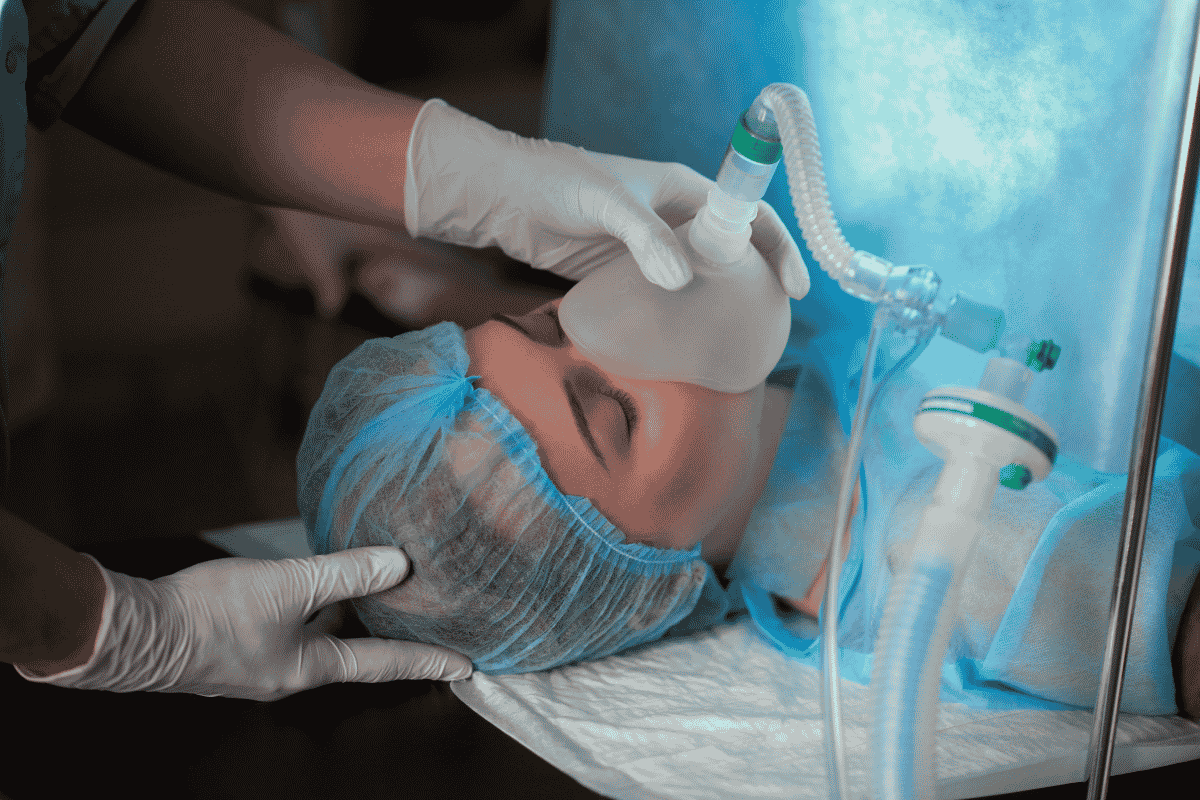
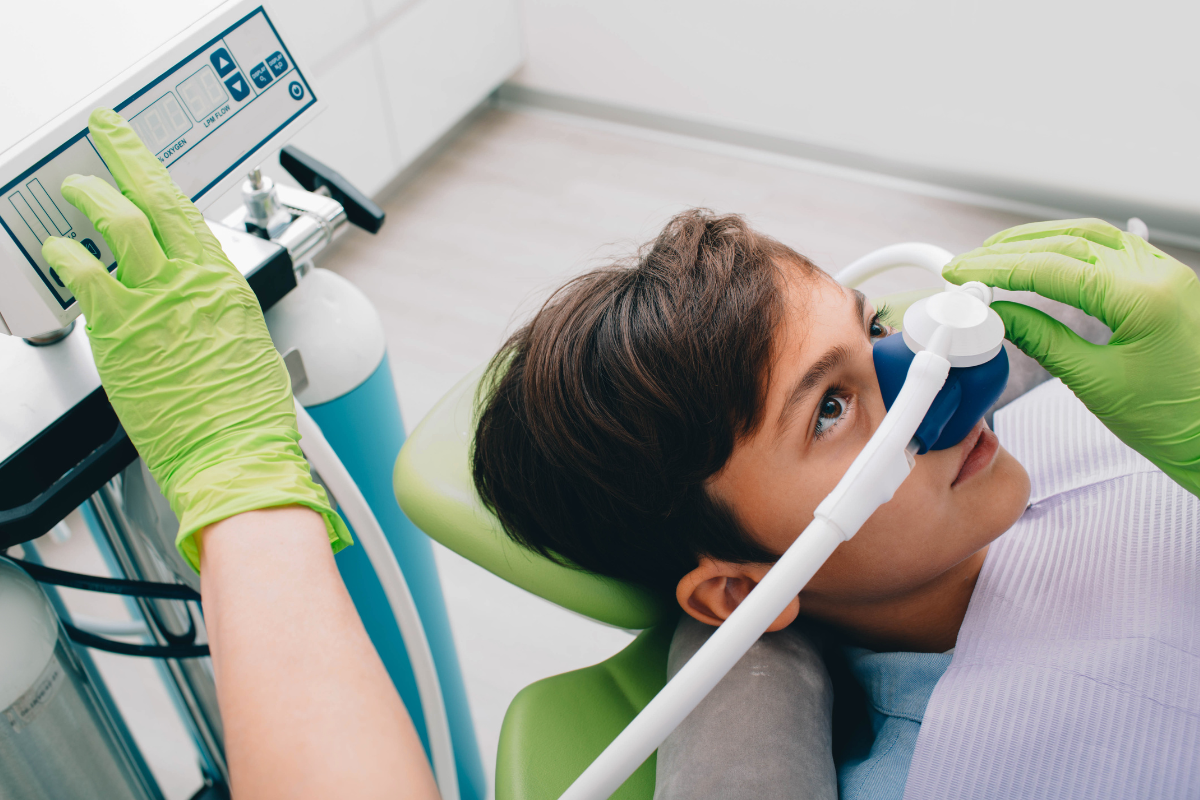
For patients who experience significant dental anxiety, sedation may make the treatment experience easier to manage. Oral conscious sedation uses prescribed medication to help you relax while remaining conscious during treatment. Memphis Dentures and Implants currently offers oral conscious sedation rather than putting patients completely to sleep. The medication can help patients feel relaxed, and the practice notes that some patients may remember little about their procedure afterward.
Sedation is not simply about making a dental appointment more comfortable. For some patients, it can remove one of the major barriers preventing them from finally seeking care.
Who May Want to Ask About Sedation?
If you have avoided dental appointments because of fear or anxiety, it may be worth asking whether sedation is appropriate for you. It may also be discussed when you anticipate a lengthy or involved procedure. During your consultation, be open about your previous dental experiences, anxiety level, medications, and overall health. This information helps the dental team determine whether sedation is suitable and how your appointment should be planned.
Sedation does not replace local anesthesia when anesthesia is needed for a particular procedure. Instead, it is used to help manage anxiety and improve the overall treatment experience.
Finding the Right Sedation Dentist for You
Finding a sedation dentist in Lakeland starts with choosing a practice where you can comfortably discuss your concerns. At Memphis Dentures and Implants, Dr. Wes Johnson and Dr. Laura Vo work with patients seeking solutions for missing, damaged, or failing teeth. Dr. Johnson completed specialized residency training focused on implantology and implant prosthetics, while Dr. Vo earned her DDS from the University of Tennessee Health Science Center College of Dentistry.
Because the practice focuses on dental implants, extractions, dentures, and related restorative care, patients who have delayed treatment can discuss several potential paths toward restoring their oral health.
What to Expect Before Your Sedation Appointment
If sedation is recommended, you will receive instructions about taking the medication and preparing for your appointment. Follow those instructions carefully. One important consideration is transportation. Memphis Dentures and Implants states that patients receiving oral sedation must have a driver and should not operate a vehicle or machinery after taking the medication. Your dental team can also explain what you should expect before, during, and after treatment so you can arrive with a clearer understanding of the process.
Do Not Let Years Away Keep You From Dental Care
Returning to the dentist after years away can feel intimidating, but delaying care does not have to continue. Whether you need an evaluation, extraction, dentures, dental implants, or another treatment, the first step is understanding your current dental needs. If anxiety has been the main reason you have stayed away, ask whether sedation dentistry could be part of your treatment plan. Memphis Dentures and Implants welcomes patients at its Lakeland location and provides personalized care with Dr. Wes Johnson and Dr. Laura Vo.
Schedule an appointment with Memphis Dentures and Implants to discuss your concerns, explore your treatment options, and take the first step toward getting back on track with your dental care.
FAQs
1. Can sedation dentistry help if I have avoided the dentist for several years?
Yes. Sedation dentistry may help patients who have delayed dental care because of anxiety, fear, or previous uncomfortable experiences. Your dentist can evaluate your concerns and determine whether sedation is appropriate for your treatment.
2. What does sedation dentistry feel like during a dental procedure?
Oral sedation is designed to help you feel relaxed while remaining conscious. You may feel drowsy and less aware of the procedure, and some patients have limited memory of their appointment afterward.
3. Is sedation dentistry suitable for someone with severe dental anxiety?
Sedation may be an option for patients with significant dental anxiety, but suitability depends on your medical history, medications, overall health, and planned treatment. Your dentist will discuss these factors before recommending sedation.
4. Can I drive myself home after sedation dentistry?
No. Patients receiving oral sedation should arrange for a responsible adult to drive them home. You should also follow your dentist’s instructions regarding driving and other activities after sedation.
5. What should I tell my dentist before receiving dental sedation?
Tell your dentist about your medical history, medications, allergies, previous reactions to sedation or anesthesia, and any health conditions you have. This information helps the dental team determine whether sedation is appropriate for you.
6. Can sedation dentistry be used for dental implants or tooth extractions?
Sedation may be considered for certain procedures, including treatments that patients find lengthy or stressful. Whether it is appropriate for dental implants, extractions, or another procedure depends on your individual treatment plan and health history.