When several teeth are damaged, loose, or no longer healthy enough to support everyday chewing, replacing them one at a time may not always be the most practical solution. Full-arch dental implants may be an option for people who have lost most or all of their teeth in the upper or lower jaw, or whose remaining teeth have a poor long-term outlook. This treatment uses strategically placed implants to support a full set of replacement teeth, helping restore chewing function, stability, and appearance. For individuals considering dental implant treatment in Lakeland, understanding when a full-arch restoration makes sense is an important first step toward making an informed decision.
What Are Full-Arch Dental Implants?
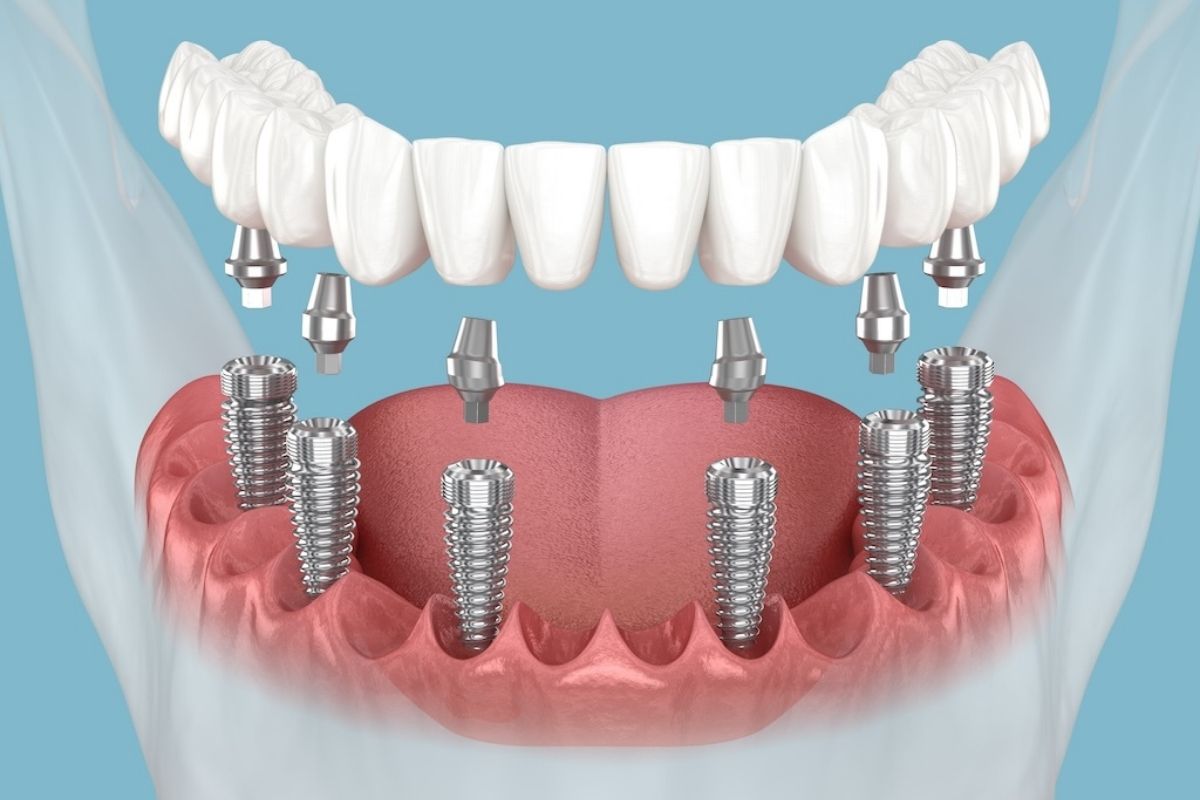
Full-arch dental implants are designed to replace an entire row of missing or failing teeth using a fixed prosthetic arch supported by dental implants placed in the jawbone. Instead of relying on individual implants for every missing tooth, several implants are positioned to support a complete set of replacement teeth. One commonly used approach is the All-on-4 treatment concept, which uses four strategically positioned implants to support a full arch in suitable candidates. Depending on bone structure, oral health, and treatment needs, a dentist may recommend a different number or arrangement of implants.
Unlike traditional removable dentures, fixed full-arch restorations are secured to the implants. This can provide greater stability while eating and speaking, without requiring patients to remove their teeth each day.
When Should You Consider Full-Arch Tooth Replacement?
Not everyone with a damaged tooth needs a full-arch restoration. However, when several teeth are affected, replacing them individually may not provide the best long-term approach.
Here are some situations in which this treatment may be worth discussing with a dentist.
1. Multiple Teeth Are Severely Damaged
Extensive decay, repeated dental procedures, and significant fractures can leave several teeth beyond predictable repair. When many teeth have a poor prognosis, removing the affected teeth and replacing the entire arch may be more practical than attempting to restore each one separately.
2. Advanced Gum Disease Has Weakened Your Teeth
Advanced periodontal disease can damage the gums and supporting bone around teeth. As the condition progresses, teeth may become loose, shift out of position, or become difficult to maintain. If several teeth cannot be saved, full-arch replacement may become a consideration after the infection and gum health have been properly addressed.
3. You Struggle With Loose or Uncomfortable Dentures
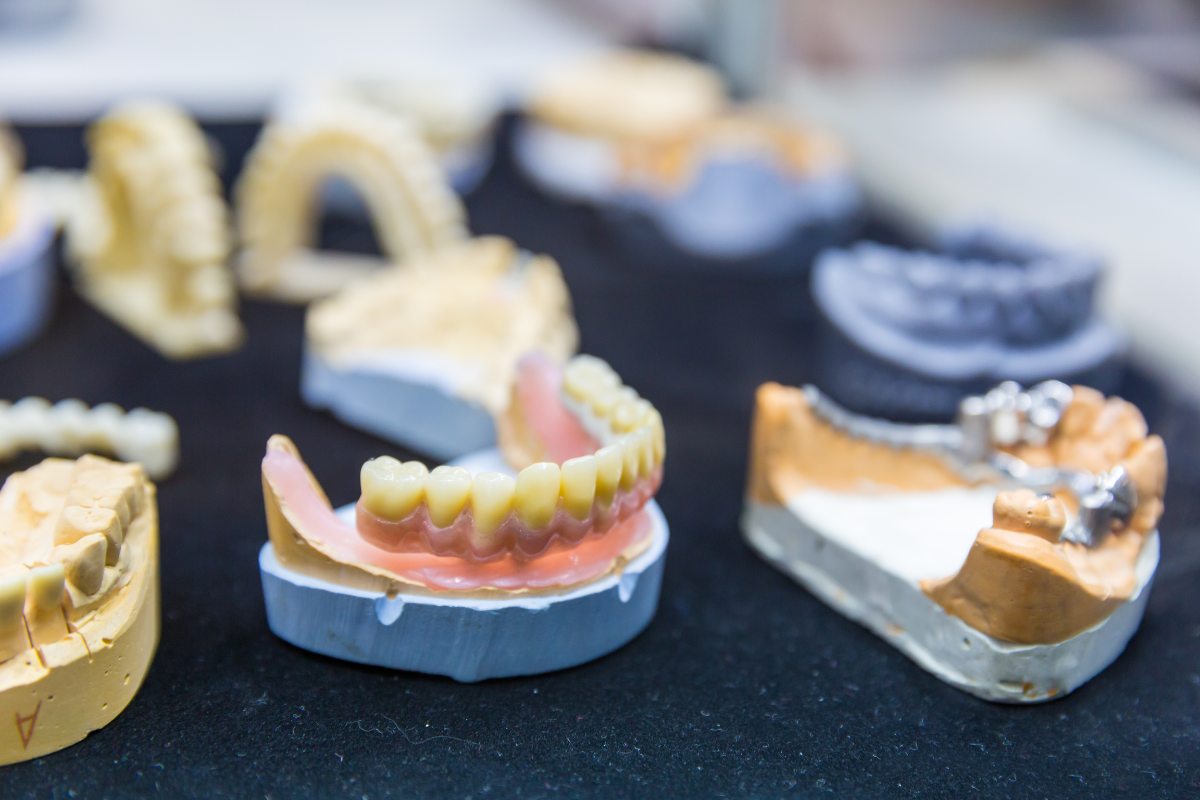
Traditional dentures can sometimes slip while talking or eating. They may also require adjustments as the shape of the jaw changes over time. Implant-supported full-arch teeth offer a more stable alternative for eligible patients who want to avoid the movement associated with conventional dentures.
4. You Have Several Missing Teeth in One Jaw
Losing multiple teeth can make chewing difficult and affect how your remaining teeth fit together. Gaps may also allow nearby teeth to shift, potentially creating additional bite problems. If most teeth in one arch are missing, a full-arch restoration may offer a more complete replacement than addressing each gap separately.
5. Your Remaining Teeth Have a Poor Long-Term Outlook
Sometimes, a combination of decay, fractures, gum disease, and previous dental work makes it difficult to preserve the remaining teeth. A comprehensive examination can help determine whether saving individual teeth is realistic or whether replacing the entire arch would be a more predictable option.
What Happens During Full-Arch Dental Implant Treatment?
The process begins with a detailed dental examination. Your dentist will evaluate your remaining teeth, gum health, jawbone density, and bite. Digital imaging may also be used to determine the best implant positions and assess whether additional procedures are necessary.
If full-arch replacement is appropriate, treatment generally involves the following stages:
- Tooth removal: Teeth that cannot be saved are extracted when necessary.
- Implant placement: Titanium implants are placed into the jawbone to create a stable foundation for replacement teeth.
- Temporary teeth: Some eligible patients may receive a temporary restoration while the implants heal. Immediate placement is not appropriate for every case.
- Healing and integration: The implants gradually bond with the surrounding bone through a process called osseointegration.
- Final restoration: Once healing is complete, the dentist attaches the final custom-made prosthetic arch.
The timeline varies depending on bone health, extractions, healing, and individual treatment requirements.
Are You a Good Candidate for Full-Arch Dental Implants?
Several factors influence whether someone can receive this treatment. Good overall health, adequate jawbone support, and healthy or properly treated gums are important considerations. However, having bone loss does not automatically mean implants are impossible. Some patients may benefit from bone grafting or other preparatory procedures. Medical conditions, certain medications, and smoking habits may also affect healing and implant success.
Your dentist will assess these factors before recommending treatment. In some cases, traditional dentures or implant-supported removable dentures may be more appropriate alternatives.
Full-Arch Implants vs. Traditional Dentures: What Is the Difference?
Both options can replace missing teeth, but they offer different experiences.
| Feature | Full-Arch Implants | Traditional Dentures |
|---|---|---|
| Stability | Fixed to dental implants | Rest on the gums |
| Removability | Usually non-removable by the patient | Removable |
| Bone support | Implants help preserve bone around their placement sites | Do not provide the same stimulation |
| Maintenance | Requires regular cleaning and professional care | Requires daily removal and cleaning |
| Treatment | Requires surgery and healing | Generally does not require implant surgery |
The right choice depends on your oral health, preferences, budget, and long-term goals.
Restoring Your Smile Starts With Understanding Your Options
When several teeth are failing, replacing them individually is not always the only solution. Full-arch dental implants may provide a stable, long-term approach for people who need to replace most or all of their teeth in one jaw. However, treatment suitability depends on bone health, gum condition, medical history, and the overall condition of the remaining teeth.
Understanding the available options can help you make a decision based on your dental needs rather than waiting until more teeth become damaged or uncomfortable.
Explore Full-Arch Dental Implant Options
If you have several damaged, loose, or missing teeth, a professional evaluation can help determine whether full-arch replacement is worth considering. At Memphis Dentures and Implants, patients can explore personalized tooth replacement options, including full-arch implants, All-on-4 restorations, and implant-supported dentures. The practice also offers an in-house dental laboratory, allowing its team to customize restorations and coordinate different stages of treatment.
Contact Memphis Dentures and Implants at (901) 308-5952 or visit the office at 8950 US-64, Suite 108, Lakeland, TN 38002, to schedule a consultation and discuss which tooth replacement option may be appropriate for your needs.