Yes, a dentist can replace multiple missing teeth with dental implants, whether you are missing a few teeth or need a full mouth restoration. At Memphis Dentures and Implants in Lakeland, patients often turn to implants because they provide stability, preserve jawbone health, and look natural. Depending on your oral health and goals, your dentist may recommend implant-supported bridges, partial arch implants, or full mouth dental implants to restore your smile.
Why Dentists Prefer Dental Implants For Missing Teeth?
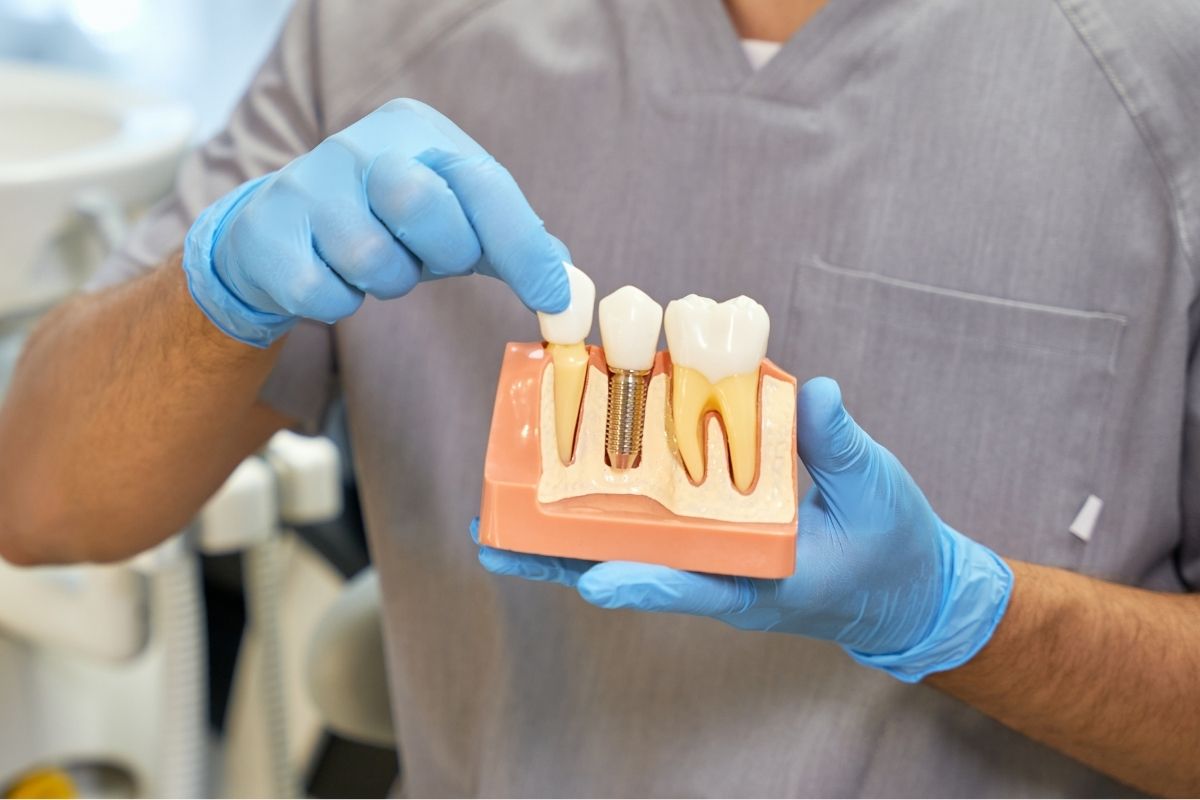
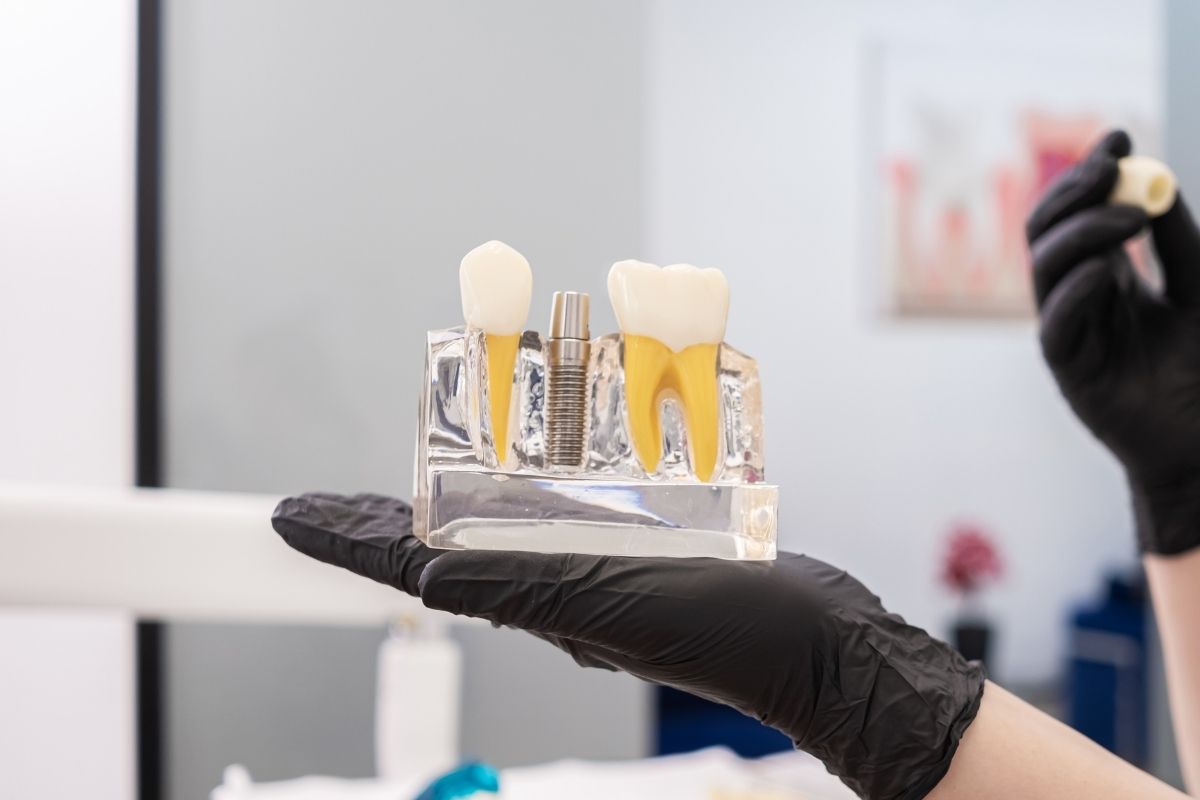
Dental implants have become one of the most trusted treatment options in dentistry because they mimic the function of natural tooth roots. Unlike traditional bridges or removable dentures, implants are placed into the jawbone, where they fuse with the bone over time. This process helps maintain bone density and ensures a stable foundation for replacement teeth.
For patients in Lakeland, the benefits of dental implants include:
- A natural appearance that blends with surrounding teeth
- The ability to eat and speak comfortably
- Long-term preservation of jawbone strength
- A solution that can restore one tooth, several teeth, or an entire arch
These advantages are why many patients in Lakeland choose implants when they want a permanent replacement for missing teeth.
Treatment Options by Dentist in Lakeland for Multiple Missing Teeth
Every patient’s case is unique, which is why a comprehensive evaluation is so important. A Lakeland dentist will review your oral health, take diagnostic images, and create a treatment plan that best fits your needs.
Implant-Supported Bridge
When several teeth are missing in a row, an implant-supported bridge may be recommended. Instead of replacing each tooth with a separate implant, two or more implants can support a series of replacement teeth. This provides a stable and natural-looking solution.
Partial Arch Implants
If you are missing multiple teeth in one section of your mouth, partial arch implants can restore both function and appearance. This option avoids the slipping or discomfort that often comes with removable partial dentures.
Full Mouth Dental Implants
For patients who are missing all or most of their teeth, full mouth dental implants are often the best solution. By placing four to six implants per arch, your dentist in Lakeland can secure a full set of replacement teeth. This option provides comfort, stability, and the closest experience to having natural teeth again.
The Implant Process in Lakeland
The process of receiving dental implants in Lakeland begins with a thorough consultation and diagnostic imaging. Once candidacy is confirmed, treatment typically includes:
- Surgical placement of the implants within the jawbone
- A healing period where the bone fuses with the implants
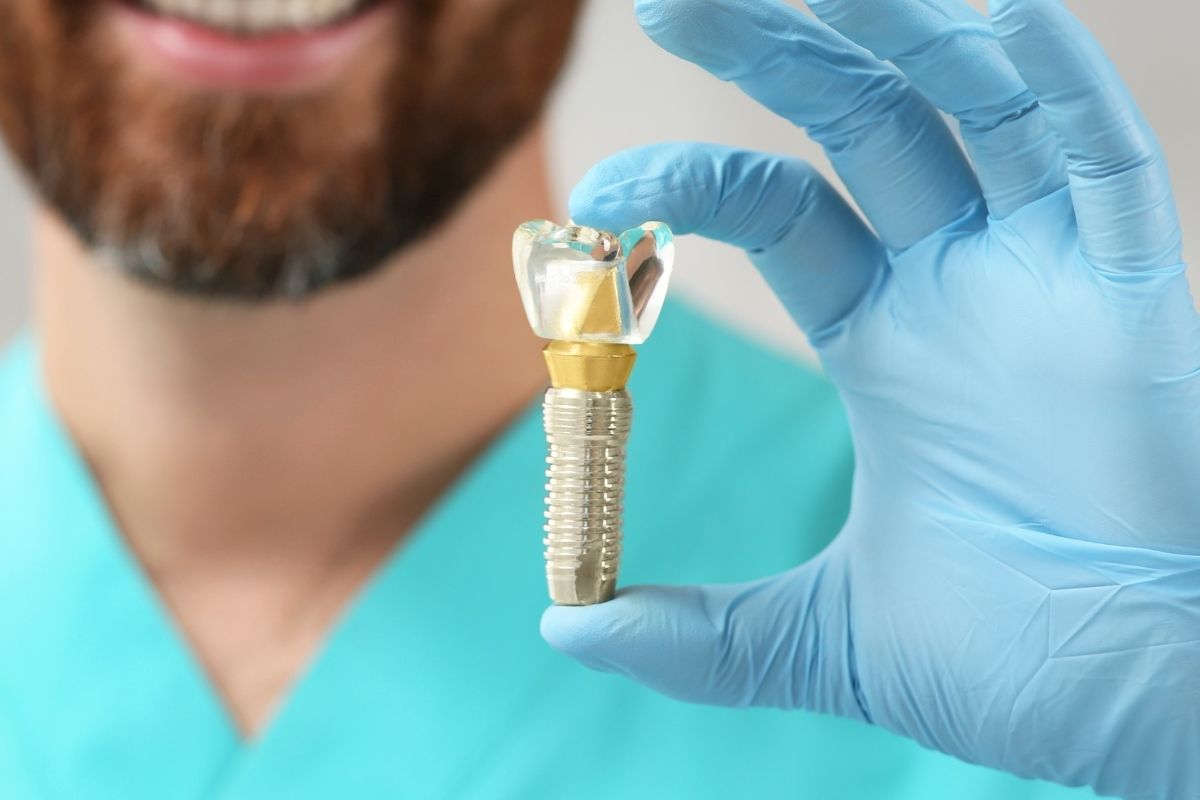
- Placement of small connectors called abutments
- Attachment of custom-made crowns, bridges, or full arch prosthetics
This careful process ensures that the final restoration is strong, secure, and blends naturally with your smile.
How Long Do Implants Last?
Dental implants are designed to last for decades, and with proper care, many patients enjoy them for life. Success depends on consistent oral hygiene, regular visits to a Lakeland dentist, and healthy lifestyle habits. Patients who brush and floss daily, avoid smoking, and schedule routine checkups often see the best outcomes.
Who Is a Good Candidate for Dental Implants?
Not every patient is immediately ready for implants. Factors such as bone density, gum health, and overall medical history play an important role. In some cases, additional procedures like bone grafting may be necessary to create a stable foundation. A consultation with a dentist in Lakeland will determine whether you are a candidate for the implant treatment.
Benefits of Choosing Implants Over Traditional Dentures
Many patients who switch from dentures to implants notice life-changing improvements, including:
- Greater comfort since implants do not shift or rub
- Increased confidence when speaking or smiling
- The ability to enjoy more foods without dietary restrictions
These improvements often make dental implants in Lakeland the preferred choice for replacing multiple missing teeth.
Conclusion
Yes, a dentist can replace multiple missing teeth with dental implants, offering solutions that range from bridges to full mouth dental implants. For patients in Lakeland, this treatment not only restores appearance but also improves function and long-term oral health. Implants remain one of the most reliable ways to rebuild a complete smile and regain confidence in daily life.
If you are living with several missing teeth and want to know whether dental implants are the right choice, schedule a consultation with Memphis Dentures and Implants in Lakeland. Our team will evaluate your needs and help you take the next step toward a healthier, stronger smile.
FAQs
Can a dentist replace several missing teeth at once with implants?
Yes, a dentist can replace several missing teeth at once using dental implants. Depending on your needs, this may involve an implant-supported bridge, partial arch implants, or full mouth dental implants. A consultation with a dentist in Lakeland will help determine the best solution for your case.
How many implants are needed to replace multiple missing teeth?
The number of implants depends on how many teeth are missing and where they are located. For example, a few missing teeth in one area might only require two implants to support a bridge, while full mouth dental implants may use four to six implants per arch.
Are dental implants better than dentures for multiple missing teeth?
Yes, implants often provide greater comfort and stability than removable dentures. They prevent slipping, allow for stronger biting force, and help preserve the jawbone. Many patients in Lakeland who switch from dentures to implants find the results life-changing.
How long does the implant process take for multiple teeth?
The timeline can vary depending on healing and individual needs. Generally, the process takes several months, since the implants need time to fuse with the bone before the final teeth are attached. However, some patients may qualify for same-day or faster solutions.
Do dental implants hurt during or after the procedure?
The placement of implants is done under local anesthesia, so patients typically feel little to no discomfort during the procedure. Some mild soreness afterward is normal and usually managed with over-the-counter medication.