Many people in Lakeland who wear traditional dentures experience slipping while speaking or eating. Dental implants offer a long-term solution because they secure dentures directly to the jaw rather than letting them rest loosely on the gums. As a result, patients enjoy improved comfort, chewing ability and stability from morning to night without the fear of dentures shifting unexpectedly. This is why implant supported dentures have become a preferred option for many individuals seeking lasting oral comfort and confidence.
Understanding Why Traditional Dentures Lose Stability Over Time
Traditional dentures rely on the gums and suction for support. As the years go by, the jawbone naturally shrinks when it no longer has tooth roots to stimulate it. When this bone loss occurs, the denture that once fit comfortably begins to loosen. Many patients in Lakeland notice problems such as:
• Painful rubbing or sore spots
• Dentures shifting while talking
• Difficulty chewing certain foods
• Reduced confidence in social settings
Since bone continues to change over time, relines and stronger adhesives only provide temporary relief. The root cause of slipping is bone loss and not the denture itself.
Why Dental Implants Stop Denture Movement
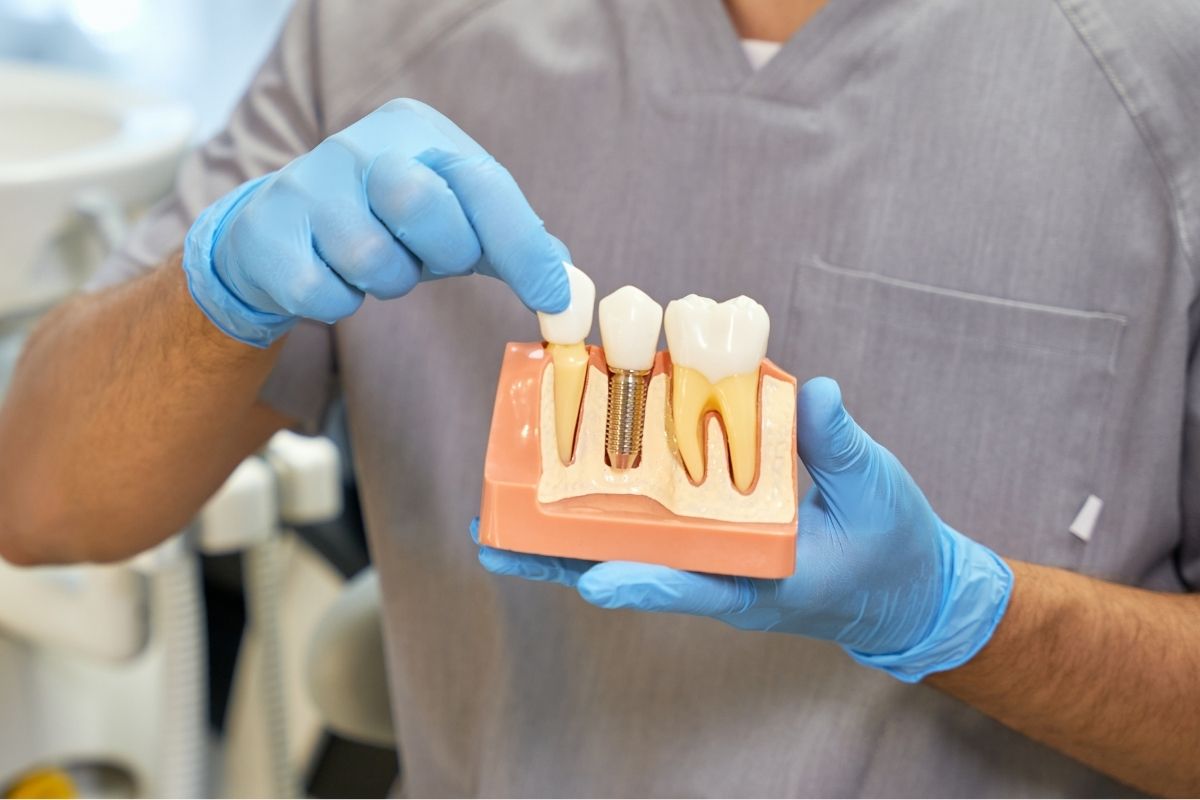
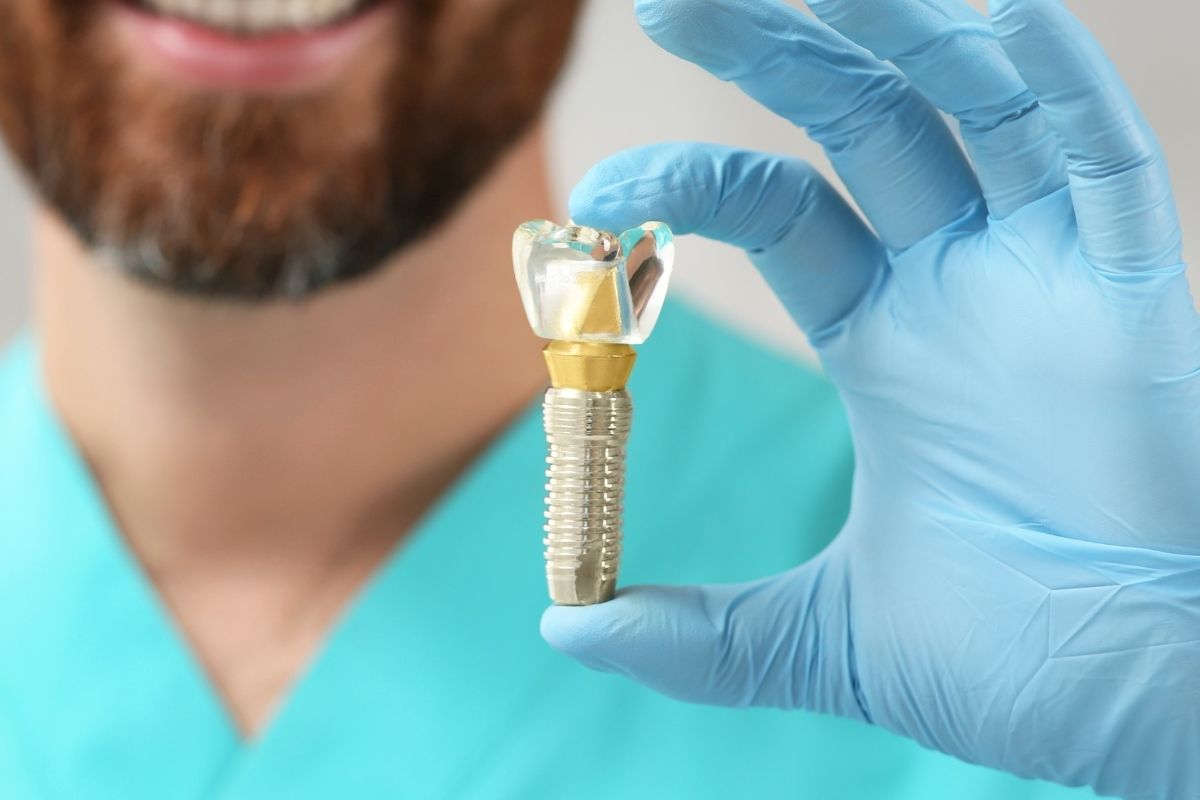
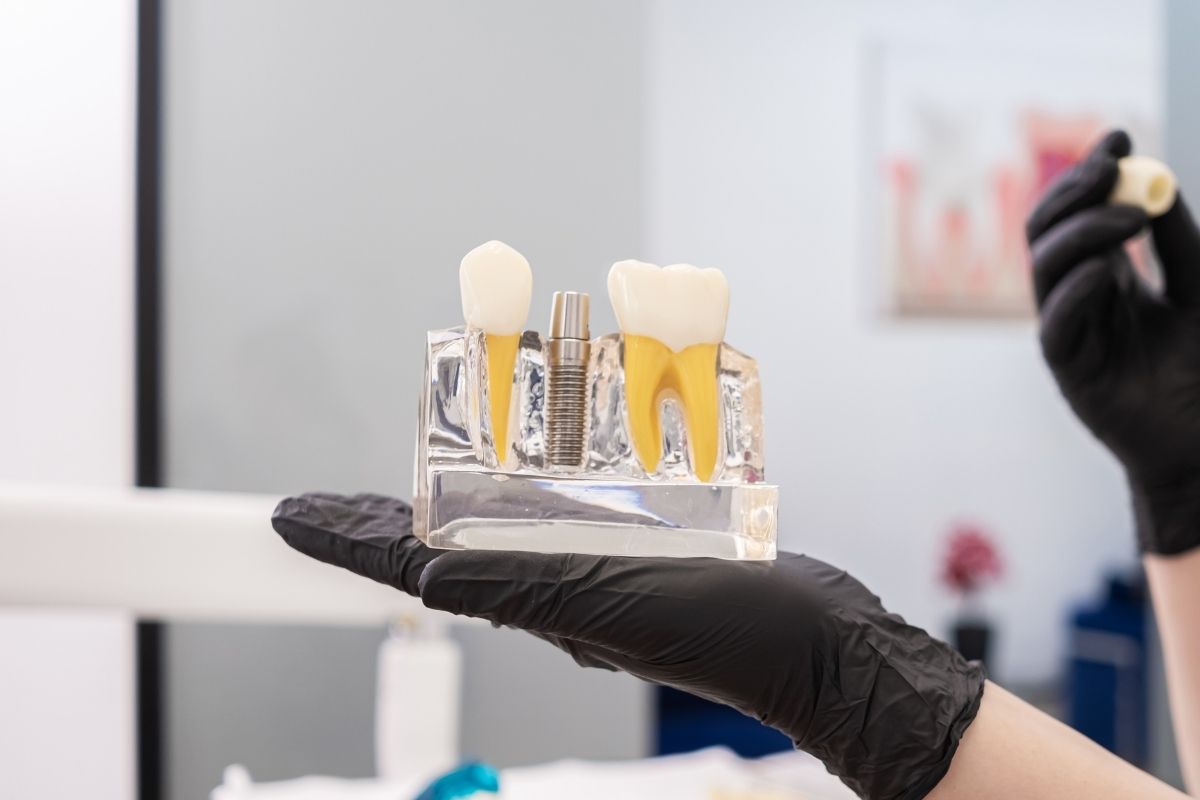
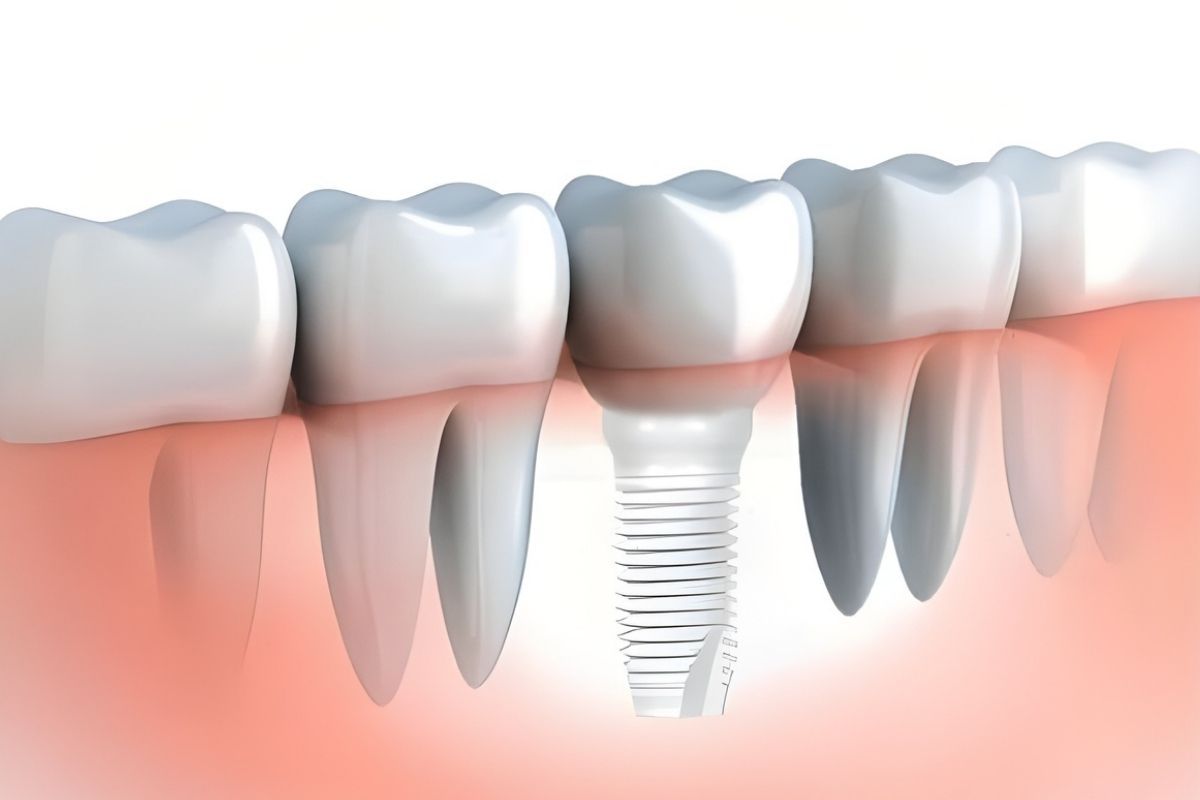
Dental implants act like artificial tooth roots and bond directly with the jawbone. When a denture attaches to these implants, it becomes anchored securely rather than floating on the gums. This prevents unwanted slipping and helps patients feel like their teeth are a natural part of their smile again.
Some of the most valued benefits include:
Everyday Stability
Implants hold the denture so firmly that it does not lift, slide or click. Patients in Lakeland regularly share that they feel comfortable eating, laughing and speaking without worry.
Improved Chewing Strength
Because the biting pressure is supported by dental implants rather than the gums, patients can enjoy foods they previously avoided, including steak, apples and crunchy vegetables.
Jawbone Support and Facial Appearance
Implants stimulate the jawbone and help slow bone loss. Many patients appreciate the restored facial support and fuller facial shape compared to the sunken appearance linked to long-term denture wear.
Speech Improvement and Confidence
Without shifting dentures, speech becomes clearer and more natural. For many people, emotional comfort and renewed confidence become just as important as function.
Treatment Options Tailored to the Patient
At our dental clinic, treatment is always customized following a detailed examination using advanced imaging. Patients are guided step by step so they understand their options clearly. The two most commonly recommended solutions include:
Snap In Implant Dentures
Snap-in implant dentures are designed for patients who want stability without committing to a permanently fixed option. During this treatment, a set number of implants are placed in the jaw. Once the implants heal and integrate with the bone, the denture is equipped with special attachments that allow it to snap securely onto the implants.
This design prevents movement during eating and speaking, yet still allows the patient to remove the denture for cleaning. Many patients in Lakeland appreciate that snap-in implant dentures offer a strong and stable grip without the use of adhesive pastes. They are also a great option for individuals who want to phase into implant treatment gradually because they provide excellent function while remaining budget-friendly. Patients generally enjoy improved chewing strength, clearer speech, and better comfort compared to traditional dentures, and routine care at home is straightforward.
All on 4 or Fixed Implant Bridge
This treatment is ideal for patients who want the most natural feel, chewing power and permanence. The process begins with precise implant placement using digital planning to ensure proper support and long-term bone health. As few as four implants can support an entire arch of replacement teeth, which makes this solution possible even for patients who have experienced bone loss from traditional denture wear.
After implant placement, a temporary fixed bridge is typically attached the same day, allowing the patient to leave the office with a secure and functional smile while the implants heal. Once healing is complete, a custom-designed final bridge is secured to the implants. The restoration cannot be removed by the patient and is cared for much like natural teeth with brushing and floss threaders or water flossers.
Patients who choose the All-on 4 Implants or fixed implant bridge frequently share that they feel like they have their natural teeth back because the prosthetic does not shift, does not come out at night and provides strong bite pressure that supports everyday eating habits. This treatment provides both functional and emotional benefits, especially for patients who want a long-term solution without the lifestyle restrictions associated with removable dentures.
Both options provide excellent chewing power and stability for people looking for dental implants in Lakeland while taking their lifestyle, budget and anatomical requirements into consideration.
In discussions about treatment options, many patients also ask whether they should get dental implants for a missing tooth or whether full mouth implant-supported dentures are more appropriate, and this decision is made based on their individual needs, anatomy and long-term oral health goals.
How Does the Dental Implants Treatment Process Take Place?
The typical dental implant process includes:
- A detailed examination including 3D imaging to evaluate bone health.
- Placement of implants in precise positions for maximum support.
- Attachment of a secure temporary denture during healing in many cases so the patient never goes without teeth.
- Placement of a final denture or bridge that is designed for long term function and comfort.
Every stage is performed with careful planning to ensure safety, comfort and predictable results.
Who May Be a Candidate For The Implant Treatment
Patients may benefit from implant dentistry in Lakeland if they:
• Struggle with loose or unstable dentures
• Avoid certain foods because of limited chewing strength
• Feel self-conscious about speaking or smiling
• Experience sore spots or irritation from dentures
• Want a lasting and secure alternative without adhesives
Even those with bone loss may still qualify thanks to advancements in implant techniques.
Conclusion
Dental implants offer a dependable solution for denture wearers who struggle with slipping and discomfort. By anchoring dentures to the jawbone, implants enhance stability, protect bone health, improve speech and allow people to enjoy meals with confidence again. For many individuals in Lakeland, this treatment is not just about replacing teeth. It is about restoring comfort, lifestyle and self-assurance.
If you currently live with denture discomfort or insecurity, the best next step is a consultation at Memphis Dentures & Implants. A personalized evaluation will help you understand your dental implant options, expected results and what approach suits your oral health and lifestyle. Having the right information allows you to make a decision that supports comfort and confidence for years to come.
FAQs
Why do dentures start slipping over time?
Dentures begin to slip as the jawbone gradually shrinks due to missing tooth roots. Without stimulation from natural teeth, the bone changes shape and the denture no longer fits tightly against the gums. This process continues even with relines or adhesives, which is why slippage becomes more noticeable over the years.
How do dental implants stop dentures from moving?
Dental implants are placed in the jawbone and act like stable anchors. When a denture attaches to these implants, it stays firmly in place rather than resting loosely on the gums. This prevents shifting while eating or speaking and eliminates the need for adhesive pastes.
Are dental implants comfortable if I already have sore spots from dentures?
Yes. Implant supported dentures distribute pressure through the implants instead of the soft tissues of the gums. This significantly reduces rubbing and hotspots that many traditional denture wearers struggle with.
Is it possible to eat normally with implant supported dentures?
Most patients experience a noticeable improvement in chewing strength. Foods that are typically difficult with loose dentures, such as steak, apples and crunchy vegetables, become easier to enjoy again without fear of dentures popping out.
Will dental implants help me speak more clearly?
Yes. Denture slipping can cause clicking sounds and changes in speech. Implants secure the denture so it does not shift with tongue movement or airflow, which leads to clearer articulation and more confidence when speaking.