If you are planning to replace a missing tooth, you likely want a clear answer to how long the dental implant process takes. In most cases, a dentist completes the full dental implant process within three to six months. The exact timeline depends on your oral health, whether bone grafting is needed, and how your body heals. Some patients move through treatment more quickly, while others require additional healing time to ensure long term success.
At our dental clinic, many patients from Lakeland and nearby communities ask this same question during their first visit. The answer always begins with understanding that dental implants are carefully planned restorations, not rushed procedures. Every stage plays a role in creating a stable, lasting result.
A Clear Overview of the Dental Implant Timeline
Dental implant treatment happens in carefully coordinated phases. While each patient’s case is different, most follow a similar sequence.
Initial Consultation and Evaluation
Your journey starts with a comprehensive exam. During this appointment, your dentist evaluates your teeth, gums, jawbone health, and medical history. Digital imaging helps determine whether you have enough bone to support the implant.
A thorough consultation is especially important when choosing a trusted dentist in Lakeland. Proper diagnosis and planning help prevent complications and shorten unnecessary delays later.
This visit usually takes about an hour. If you are a candidate for dental implant treatment, a personalized treatment plan and estimated timeline will be discussed.
Tooth Extraction if Necessary
If the damaged tooth is still present, it must be removed before placing the implant. In some cases, the implant can be placed on the same day as the extraction. In other situations, healing for several weeks is recommended before proceeding.
Most simple extractions heal within two to four weeks. More complex cases may take longer depending on the condition of the surrounding bone and tissue.
Bone Grafting When Needed
Bone density is essential for implant stability. If bone loss has occurred, grafting may be recommended to strengthen the area. Although this step adds time, it greatly improves long term success.
Healing from a bone graft typically takes three to four months. While patients sometimes worry about the added wait, this phase builds the foundation necessary for a secure and durable result.
Implant Placement Surgery
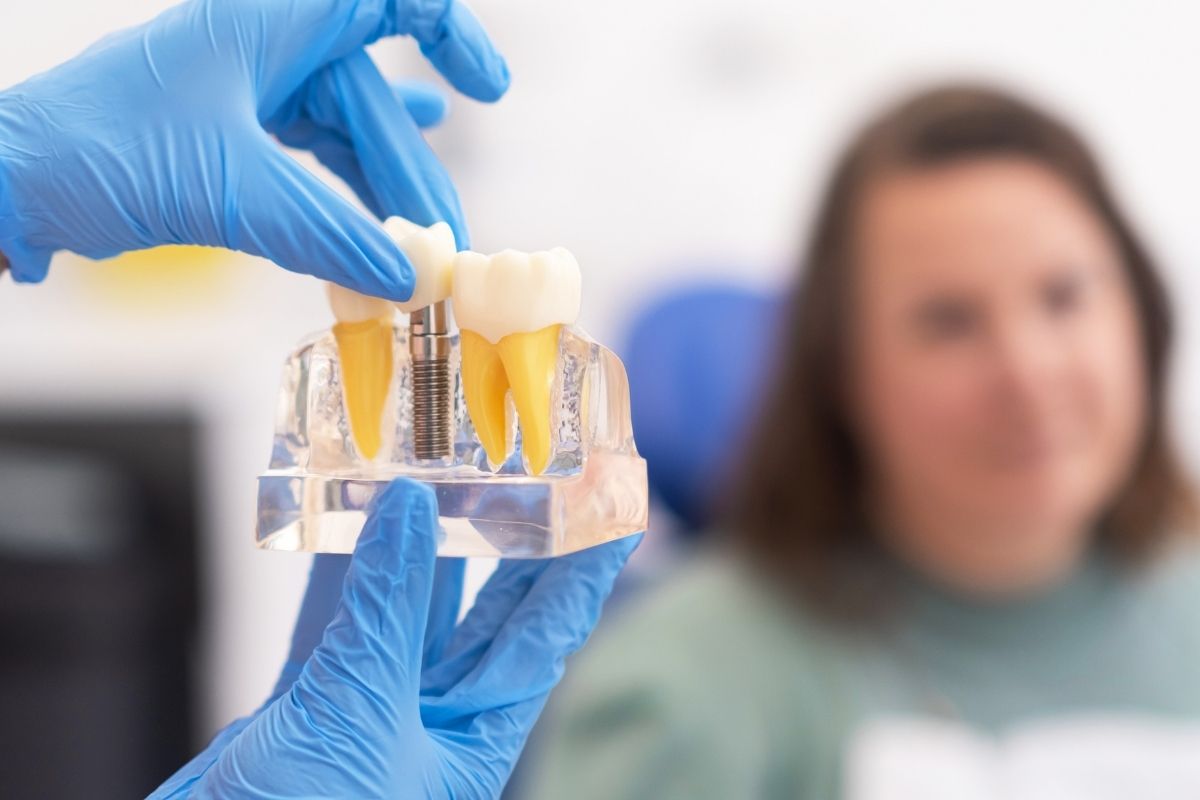
The surgical placement of the titanium implant post usually takes one to two hours. Local anesthesia keeps you comfortable, and most patients describe the experience as easier than expected.
After surgery, mild swelling and tenderness are common for a few days. Most people return to normal activities within twenty four to forty eight hours.
Healing and Bone Integration
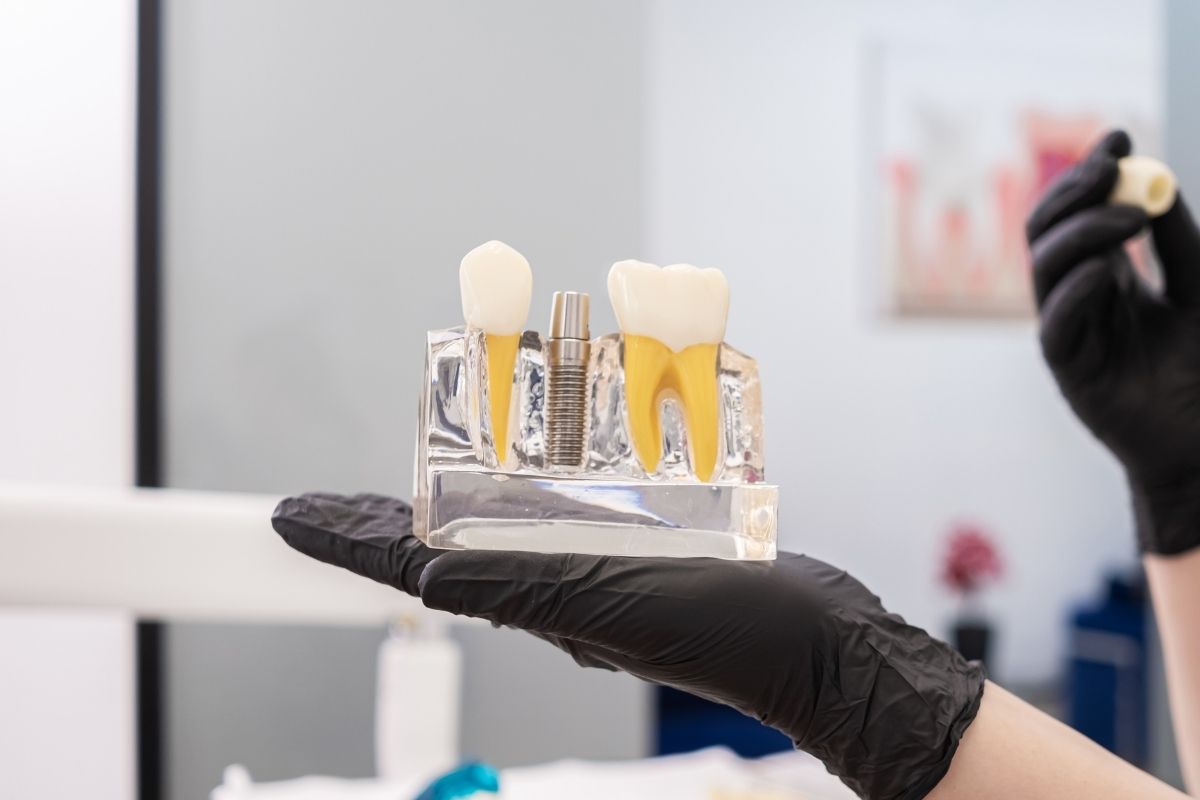
One of the most important stages is the period when the implant fuses with the jawbone. This biological process, known as osseointegration, typically takes three to six months.
During this time, your body anchors the implant firmly in place. A patient who understands the natural progression of the steps involved in getting a dental implant will appreciate that this healing phase cannot be rushed without risking long term stability.
Regular follow up visits ensure that healing is progressing properly.
Final Restoration Placement
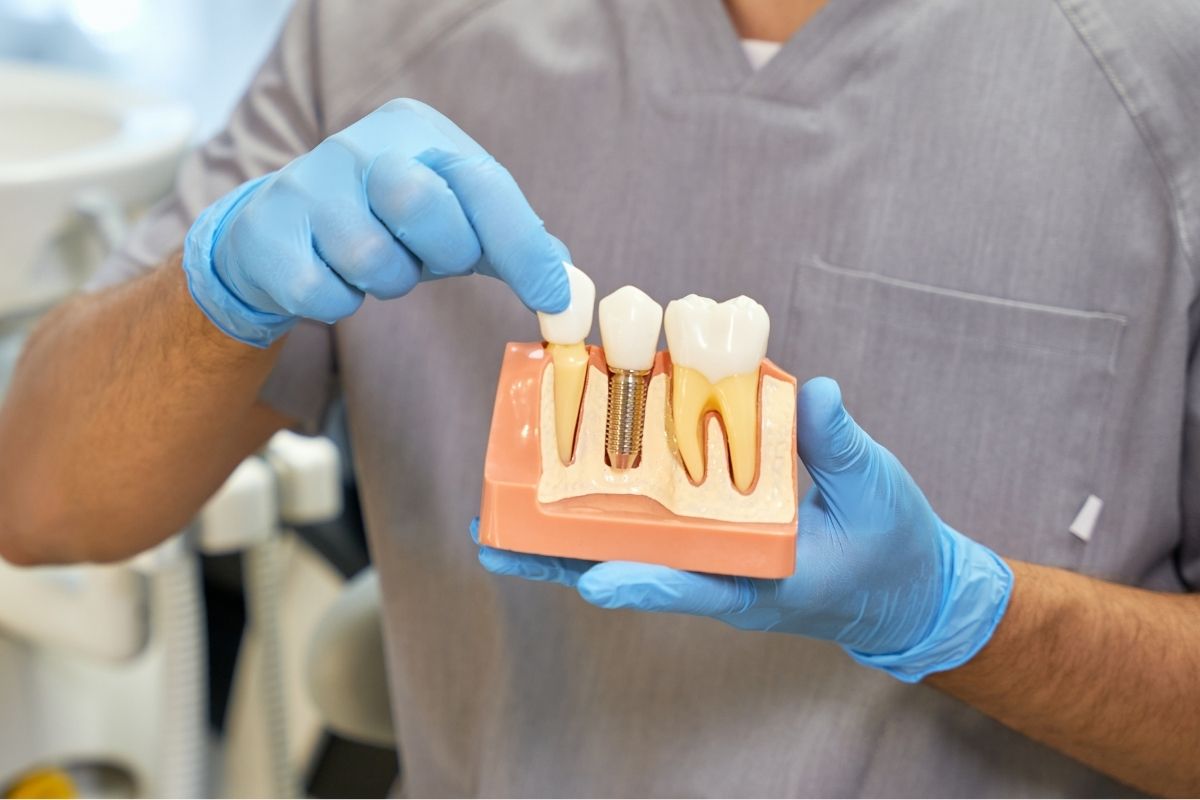
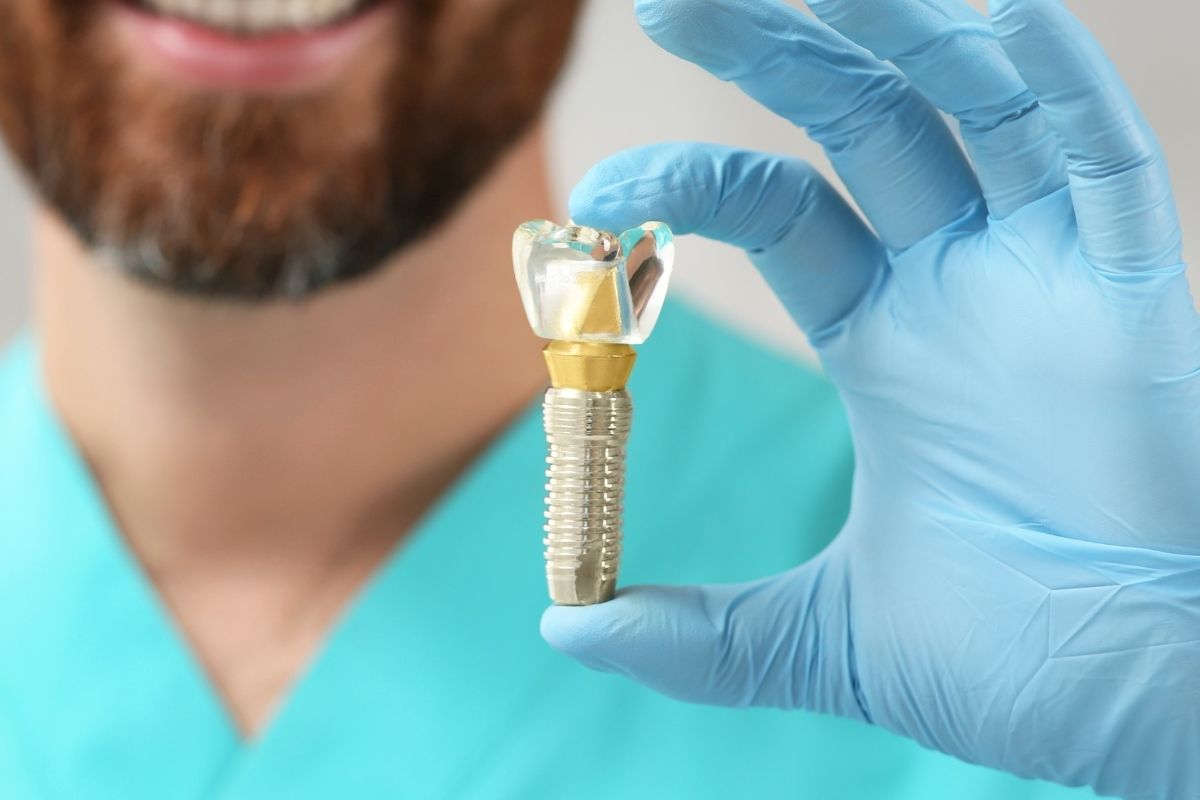
Once the implant has fully integrated, an abutment is attached. Impressions are taken to create a custom crown that matches your natural teeth in shape and color.
The fabrication and placement of the crown generally take two to four weeks. Once completed, the implant functions and feels like a natural tooth.
What Factors Can Affect the Timeline?
While three to six months is typical, several factors may influence your overall schedule.
Your gum health plays a significant role. Untreated gum disease must be addressed before implant placement. Smoking can slow healing. Certain medical conditions, such as uncontrolled diabetes, may also extend recovery time.
An experienced implant dentist carefully evaluates these factors before beginning treatment to ensure predictable outcomes.
Can Dental Implants Be Completed Faster?
In select cases, immediate load implants may be possible. This means a temporary restoration is placed on the same day as surgery. However, not everyone qualifies. Strong bone support and healthy surrounding tissues are essential.
A detailed evaluation at a dental clinic in Lakeland can determine whether this option is appropriate for you.
Why Patience Matters
Patients often focus on how long the process takes, but it is equally important to understand why each stage exists. Dental implants are designed to last decades when properly placed and maintained. Rushing treatment can compromise stability and longevity.
As a restorative provider, I always explain that quality healing leads to better chewing function, improved comfort, and preservation of jawbone structure. Taking the necessary time upfront prevents future complications.
What to Expect During Recovery
Recovery after implant placement is generally straightforward. Mild swelling, slight bleeding, and temporary discomfort are normal. Following post operative instructions, maintaining excellent oral hygiene, and attending follow up visits support smooth healing.
Patients who commit to proper care often find the experience more manageable than anticipated.
Conclusion
So, how long does a dentist take to complete the dental implant process? For most patients, the full treatment takes between three and six months from consultation to final crown placement. The exact timeline depends on your oral health, bone condition, and healing response.
Dental implants are not simply about replacing a missing tooth. They restore function, protect jawbone health, and help maintain facial structure. When completed with careful planning and professional oversight, they offer a dependable, long term solution.
If you are considering dental implant treatment and want a personalized timeline based on your specific needs, scheduling a consultation at Memphis Dentures and Implants is the best first step. A comprehensive evaluation will provide clarity, confidence, and a clear path toward restoring your smile.
FAQs
How long does the entire dental implant process usually take?
In most cases, the full dental implant process takes three to six months. This includes consultation, implant placement, healing time, and placement of the final crown. Some cases may take longer if bone grafting or additional healing is needed.
Can a dentist complete a dental implant in one visit?
While implant surgery itself can often be completed in one appointment, the entire process cannot usually be finished in a single visit. The jawbone needs time to heal and fuse with the implant before the final restoration can be placed.
What is the longest part of the dental implant process?
The longest phase is typically the healing period after implant placement. This stage, called osseointegration, allows the implant to bond securely with the jawbone and usually takes three to six months.
How long does it take to recover after implant surgery?
Initial recovery typically takes a few days. Most patients return to work or normal activities within twenty four to forty eight hours. Complete healing beneath the gums takes several months as the implant integrates with the bone.
What can delay the dental implant timeline?
Factors that may extend treatment time include untreated gum disease, insufficient bone density, smoking, certain medical conditions, and poor oral hygiene. Careful planning at a dental clinic in Lakeland helps minimize delays.