Gum disease is one of those dental problems that can sneak up on you. It often starts with small signs you might not even notice, like a bit of bleeding when brushing or flossing. But even if you don’t feel anything unusual, your dentist can often catch gum disease before it becomes a bigger issue.
Why Your Dentist Checks for Gum Disease
Gum disease happens when bacteria build up around your teeth and gums. In its early stage, called gingivitis, your gums might get red, swollen, or bleed easily. If it’s not treated early, it can turn into a more serious condition that damages the bone and tissue around your teeth.
That’s why it’s important to visit your dentist regularly, even if your mouth feels fine. They can find these problems early and help you avoid bigger problems later.
How Your Dentist Spots Gum Disease Early
1. Dentist Looks Closely at Your Gums
One of the first things your dentist does is take a good look at your gums. Healthy gums should be pink and firm. If they look red or puffy, or if they bleed easily, these could be early signs of gum disease.
2. Dentist Measures Gum Pocket Depths
Your dentist uses a small tool to gently measure the space between your teeth and gums. These spaces are called pockets. In healthy gums, they are shallow. If the pockets are deeper than normal, it could mean gum disease is starting.
3. Dentist Checks for Receding Gums
If your gums are pulling away from your teeth, your dentist may notice that your teeth look longer. This is often a sign that the gums are shrinking or pulling back, another clue that gum disease may be developing.
4. Dentist Uses X-rays to Spot Hidden Damage
Even if everything looks fine on the surface, your dentist might take X-rays to see what’s happening under the gums. Bone loss is a sign of more advanced gum disease, and X-rays help catch it early.
5. Dentist Asks About Your Symptoms
Your dentist may ask questions like, “Do your gums bleed when you brush?” or “Do your teeth feel loose?” These small details help your dentist understand what’s going on, even if you don’t feel pain.
Why It’s Important to Catch Gum Disease Early
Catching gum disease early is the best way to avoid serious dental work. In most cases, your dentist can help you turn things around with a good cleaning and better home care.
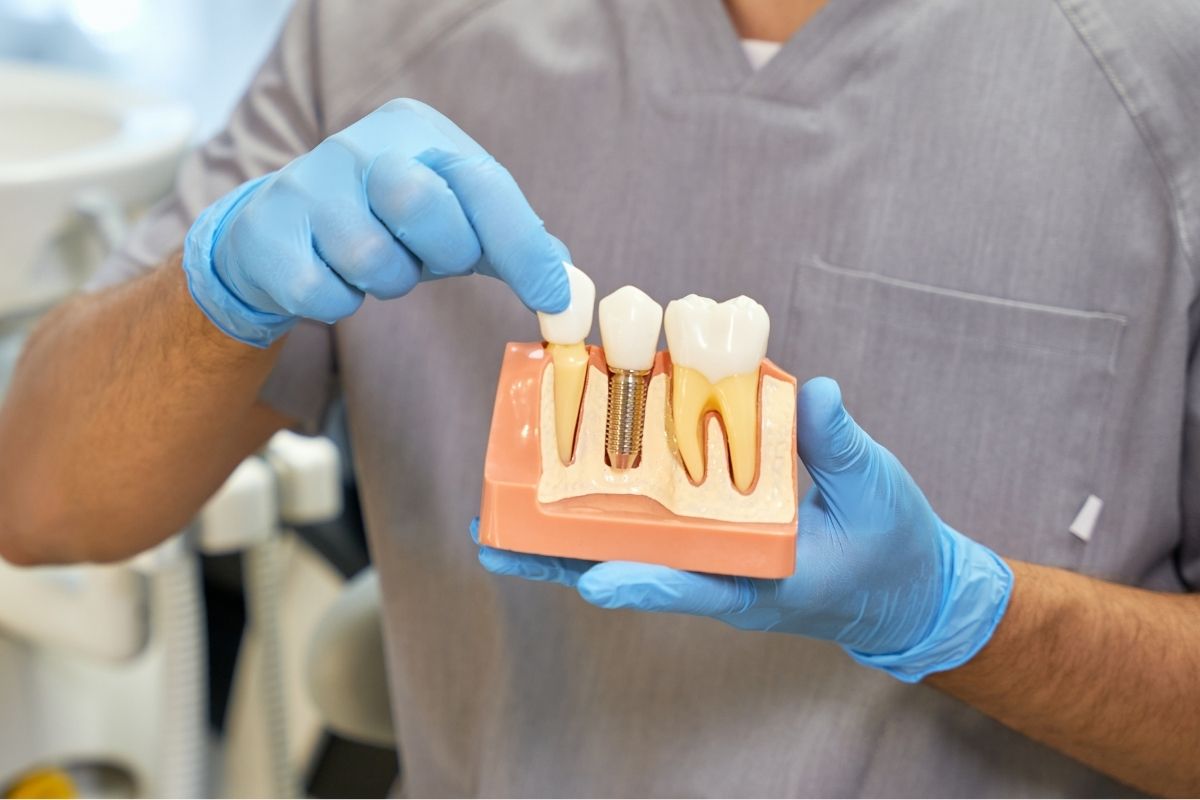
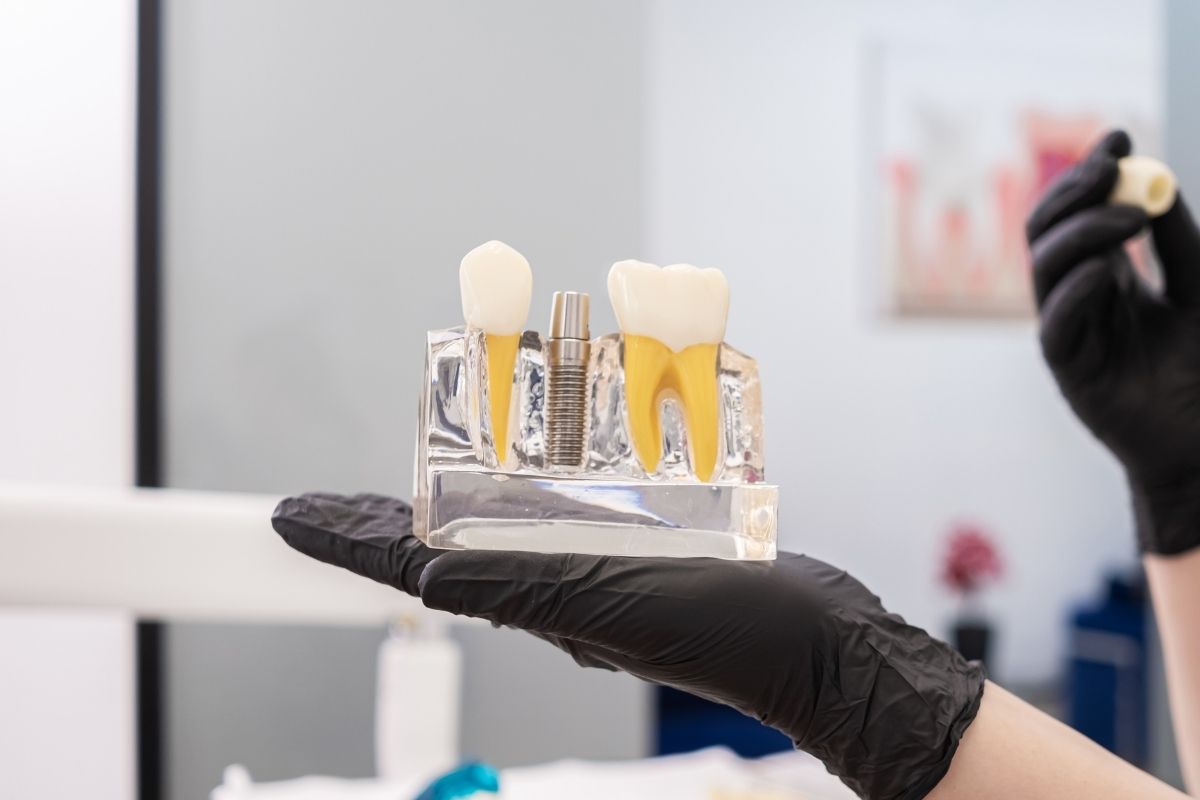
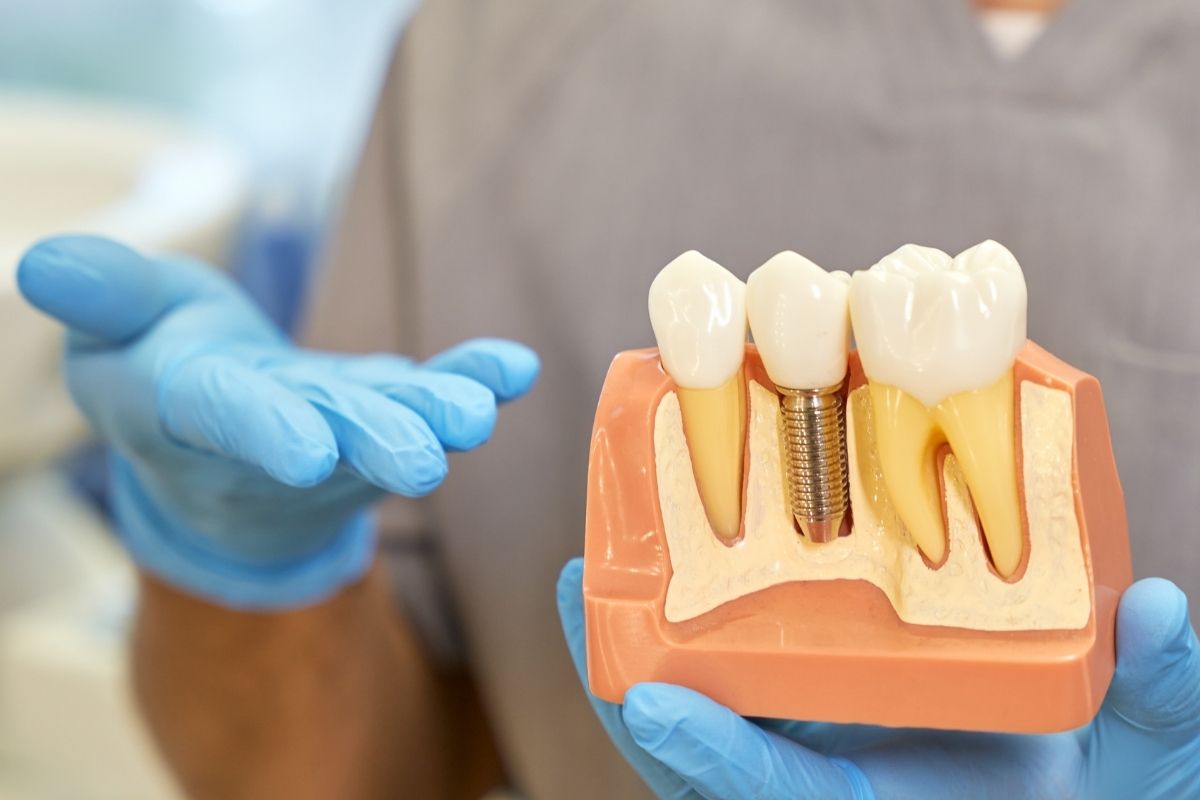
If you wear or are planning to get dental implants and dentures, healthy gums are a must. Gum disease can weaken the bone and tissue that support these restorations, which can lead to failure or discomfort. That’s why your dentist always checks your gums carefully.
How to Keep Your Gums Healthy Between Dentist Visits
Your dentist is your partner in keeping your mouth healthy, but what you do at home matters too. Here are some simple tips:
- Brush your teeth at least twice a day
- Floss once a day to clean between your teeth
- Eat healthy foods and drink plenty of water
- Avoid tobacco
- Visit our dentist in Lakeland every 6 months
These habits help reduce the chances of gum problems and keep your smile strong.
Final Thoughts from a Lakeland Dentist
Gum disease doesn’t always come with pain or obvious signs at first. But a skilled dentist knows what to look for, and that’s why regular checkups matter. Catching gum disease early means fewer problems later, whether you have natural teeth or rely on dental implants and dentures.
Schedule a consultation or contact us if you haven’t seen a dentist in a while or you’ve noticed changes in your gums; now’s the time to take action.