Dental implants are designed to provide a stable, long-lasting replacement for missing teeth. However, if an implant starts feeling uncomfortable, painful, or loose, it should not be ignored. While mild tenderness can occur during the initial healing period, ongoing discomfort or noticeable movement may indicate a problem with the implant, surrounding gums, or attached restoration. Scheduling a dental evaluation promptly can help identify the cause and prevent further complications. For individuals who have received dental implants in Lakeland, knowing which warning signs require professional attention is an important part of protecting their oral health.
Why Does a Dental Implant Start Feeling Uncomfortable?
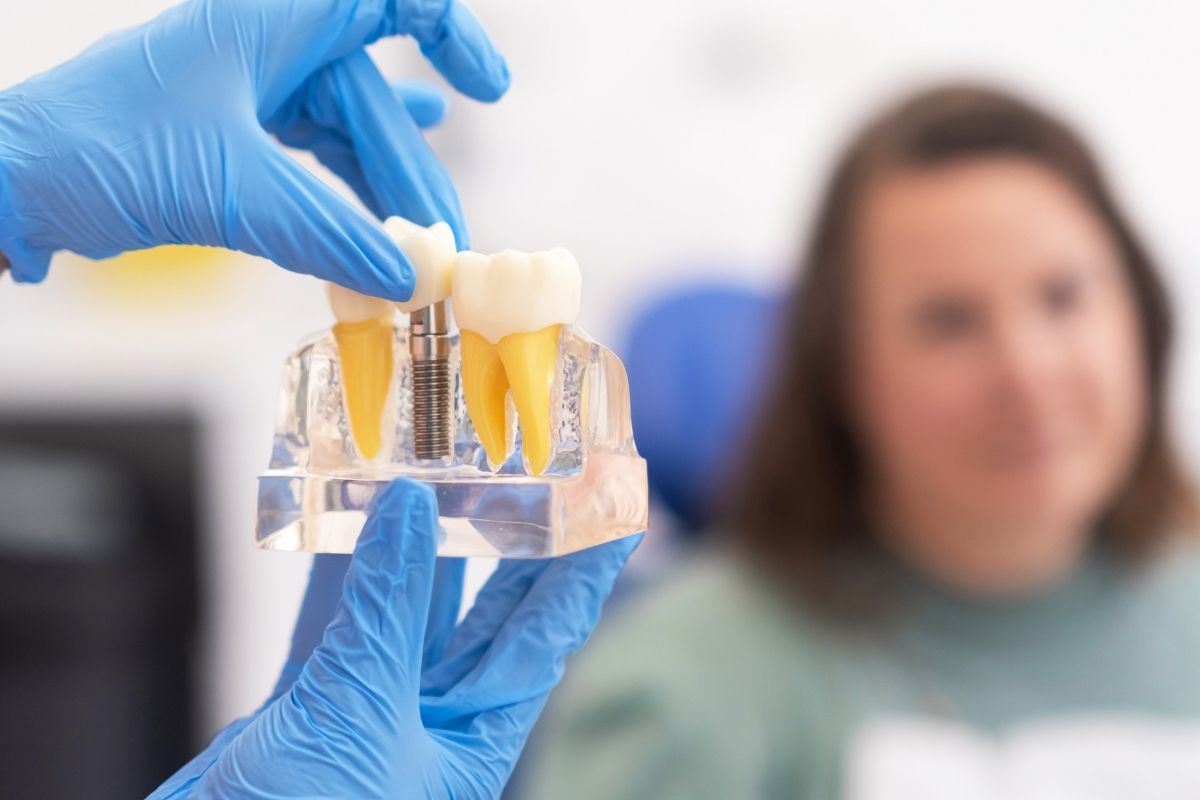
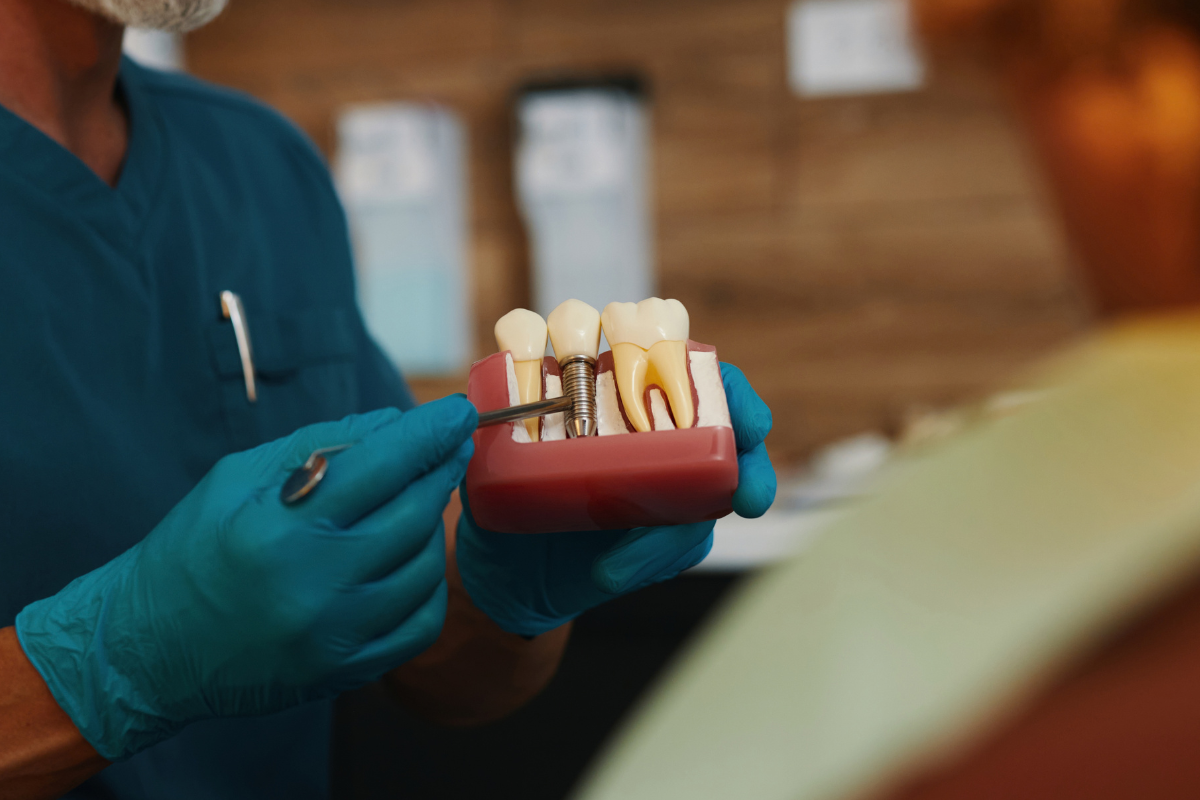
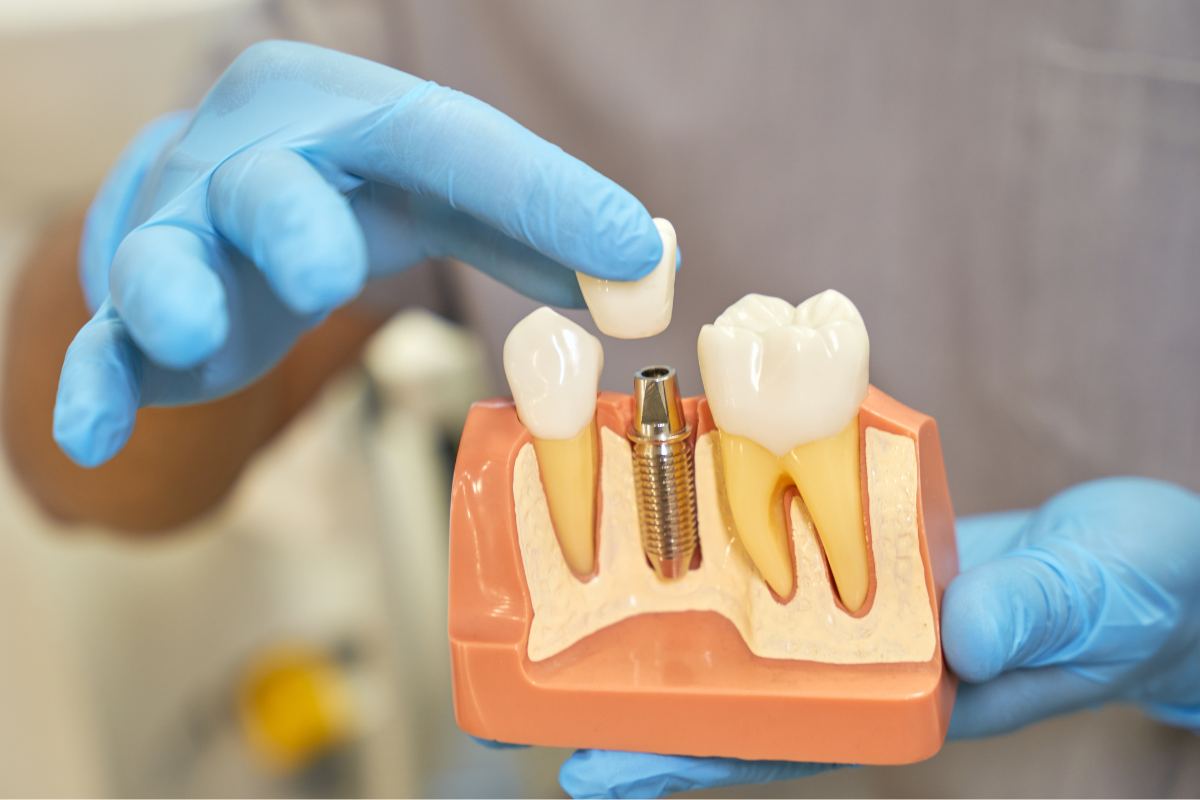
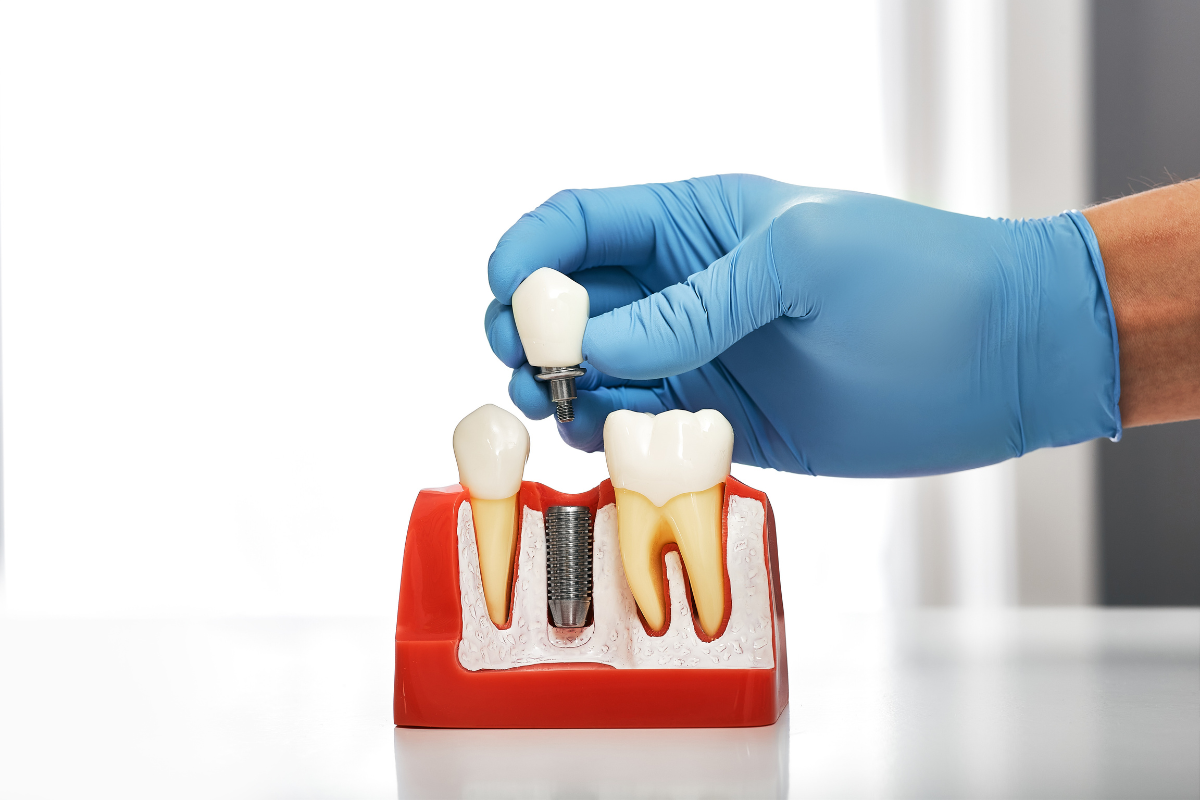
A dental implant consists of a small titanium post placed in the jawbone, an abutment that connects the post to the replacement tooth, and a crown or other restoration. Each component plays an important role in keeping the replacement tooth functional and stable.
When something does not feel right, the problem may involve one or more of these components.
Here are some common reasons an implant may become uncomfortable.
1. Inflammation Around the Implant
Healthy gum tissue is essential for maintaining implant stability. If bacteria accumulate around the implant, the surrounding gums can become inflamed. This condition, known as peri-implant mucositis, may cause redness, tenderness, swelling, or bleeding during brushing.
Without proper care, inflammation can progress and affect the supporting bone. This more serious condition is called peri-implantitis and can eventually compromise implant stability.
2. A Loose Crown or Abutment
Sometimes, patients assume the entire implant is loose when the actual problem involves the crown or abutment. These components can loosen over time because of repeated chewing forces, changes in the bite, or normal wear.
You might notice clicking, movement in the replacement tooth, or discomfort while chewing. A dentist can examine the restoration and determine whether it needs adjustment or repair.
3. Changes in Your Bite
Your bite affects how pressure is distributed across your teeth. If the implant crown receives excessive force during chewing, it may create discomfort or place unnecessary stress on the restoration and supporting structures.
Teeth grinding and clenching can also contribute to this problem. A dental examination can help identify uneven contact and determine whether bite adjustments or a nightguard may be appropriate.
4. Bone Loss Around the Implant
Dental implants depend on healthy jawbone support. If the surrounding bone begins to deteriorate because of infection, inflammation, or other oral health concerns, the implant may lose some of its stability.
Bone loss does not always cause immediate pain. However, changes in implant stability, gum appearance, or chewing comfort should be evaluated.
Warning Signs That Mean You Should Schedule an Evaluation
Not every unusual sensation indicates implant failure, but certain symptoms deserve professional attention.
Contact your dentist if you experience:
- Persistent discomfort: Pain that continues beyond the expected healing period or returns after a period of comfort.
- Movement or looseness: An implant or attached restoration that shifts when eating or touching it.
- Swollen or bleeding gums: Redness, tenderness, or bleeding around the implant.
- Difficulty chewing: Discomfort when biting down or chewing foods you previously handled comfortably.
- Unusual discharge: Pus or an unpleasant taste near the implant site.
- Changes in gum appearance: Gum recession or visible changes around the replacement tooth.
If you notice significant swelling, fever, spreading facial swelling, or severe pain, seek urgent professional care. Do not wait for a routine appointment.
What Happens During a Dental Implant Evaluation?
A professional examination helps determine whether the problem involves the implant itself, the surrounding gum tissue, or the restoration.
During your visit, your dentist may:
- Examine the implant site: Check for swelling, bleeding, gum recession, and other signs of inflammation.
- Check implant stability: Assess whether the implant post or attached restoration shows signs of movement.
- Evaluate your bite: Look for excessive pressure or uneven contact when your teeth come together.
- Take dental images: X-rays or 3D imaging may help identify bone loss, infection, or other changes around the implant.
- Recommend appropriate care: Depending on the findings, treatment may involve professional cleaning, bite adjustments, restoration repair, or additional procedures.
For patients considering dental implant treatment in Lakeland, understanding the importance of follow-up visits and ongoing maintenance can help protect their investment in a restored smile.
What Can You Do Before Your Dental Appointment?
If your implant feels uncomfortable, a few precautions can help prevent additional irritation while you wait for professional care.
- Avoid chewing hard or crunchy foods on the affected side.
- Do not repeatedly touch, wiggle, or test the implant.
- Continue brushing gently around the area.
- Clean between teeth using the flossing method recommended by your dentist.
- Avoid trying to tighten or repair a loose implant crown yourself.
- Contact your dental office and explain your symptoms so the team can advise you on appointment timing.
If the implant itself appears mobile, arrange an urgent evaluation rather than waiting to see whether it improves.
Conclusion
Dental implants are designed to restore chewing function and provide dependable tooth replacement, but they still require regular attention. Persistent discomfort, gum inflammation, unusual movement, and difficulty chewing are signs that something may need professional evaluation. Identifying the cause early can help protect the surrounding tissues and determine whether the implant or its restoration needs treatment. Paying attention to changes in comfort and maintaining routine dental visits are essential for long-term implant health. If an implant no longer feels as stable or comfortable as it once did, a professional examination is the best way to understand what is happening and determine the appropriate next step.
If you are experiencing discomfort, swelling, or looseness around an implant, contact Memphis Dentures and Implants to schedule an evaluation. The dental team can assess your implant, identify possible concerns, and discuss appropriate treatment options based on your oral health needs.
Call (901) 308-5952 or visit the office at 8950 US-64, Suite 108, Lakeland, TN 38002, to schedule an appointment.