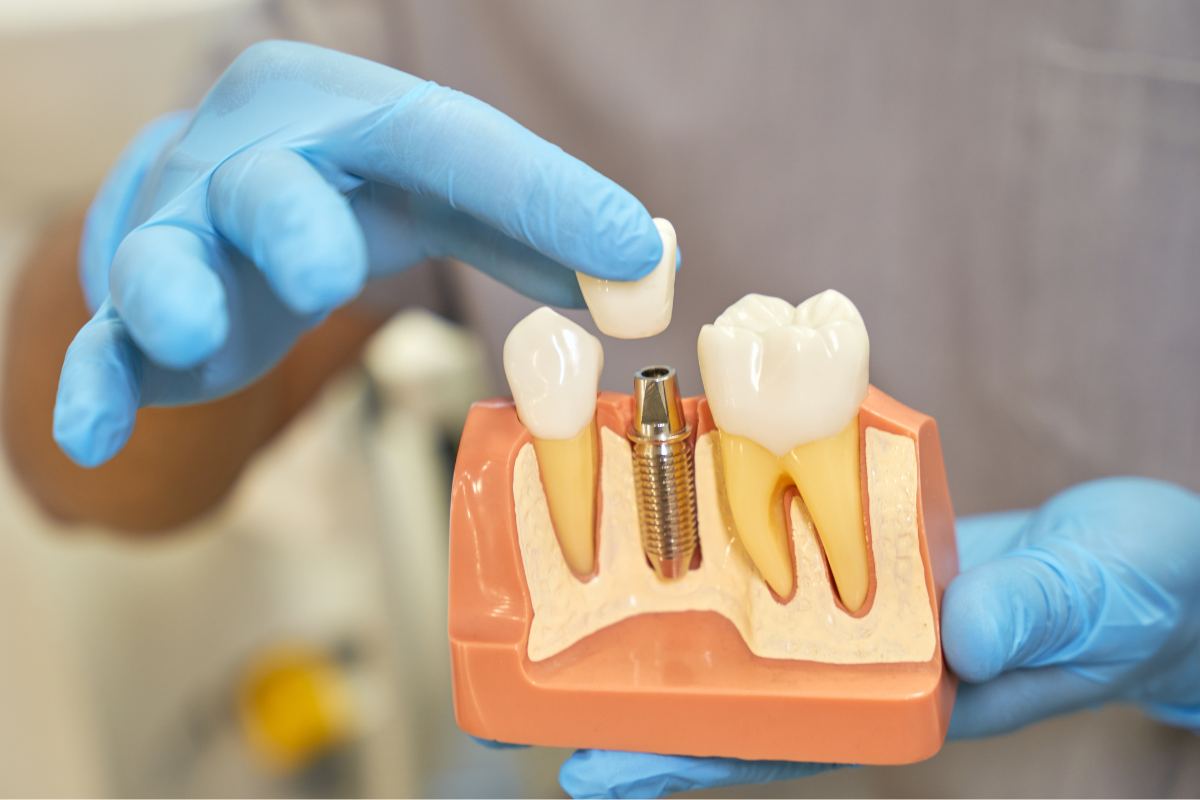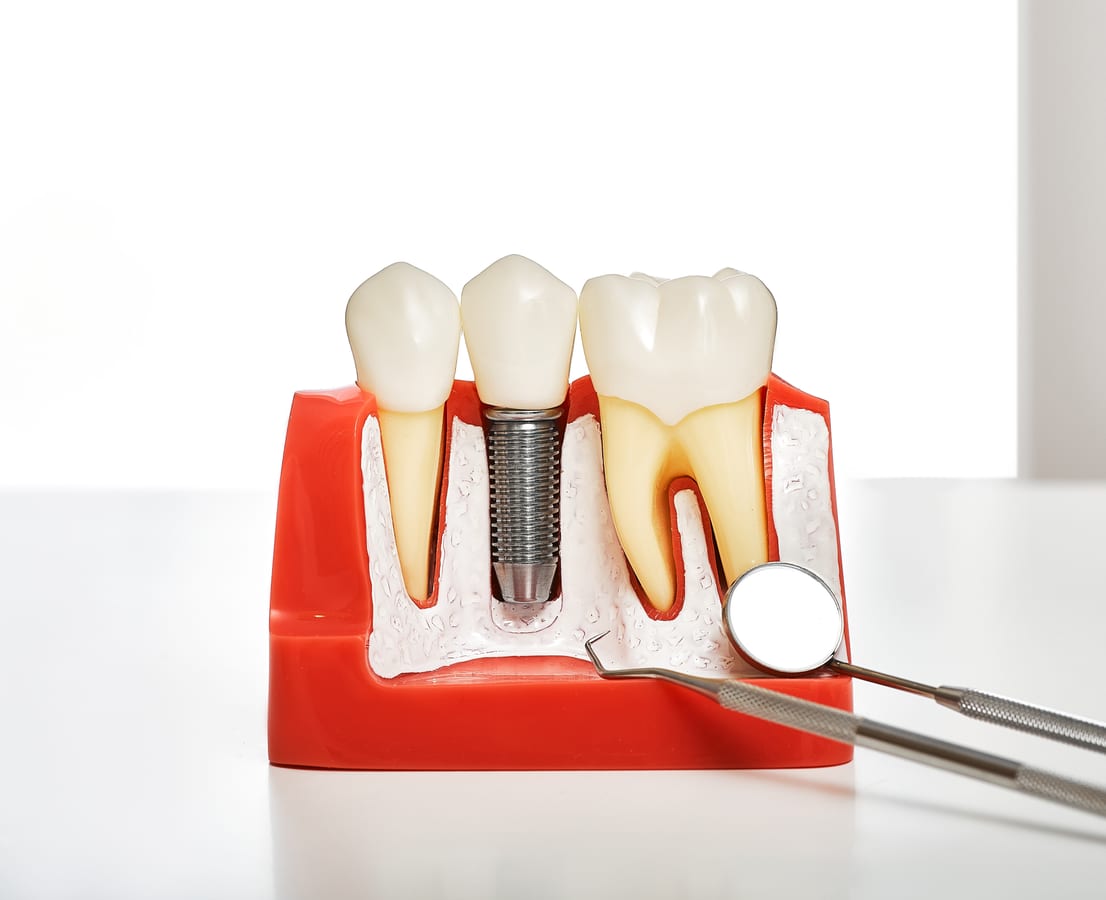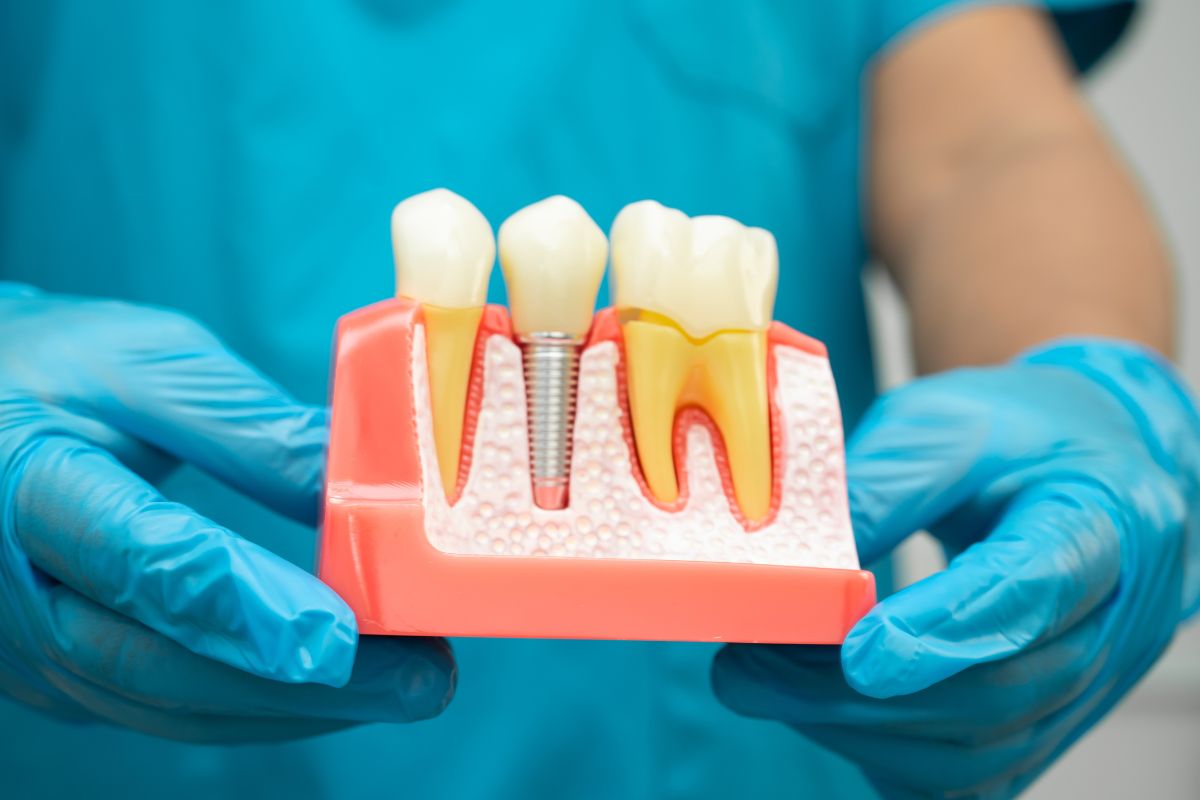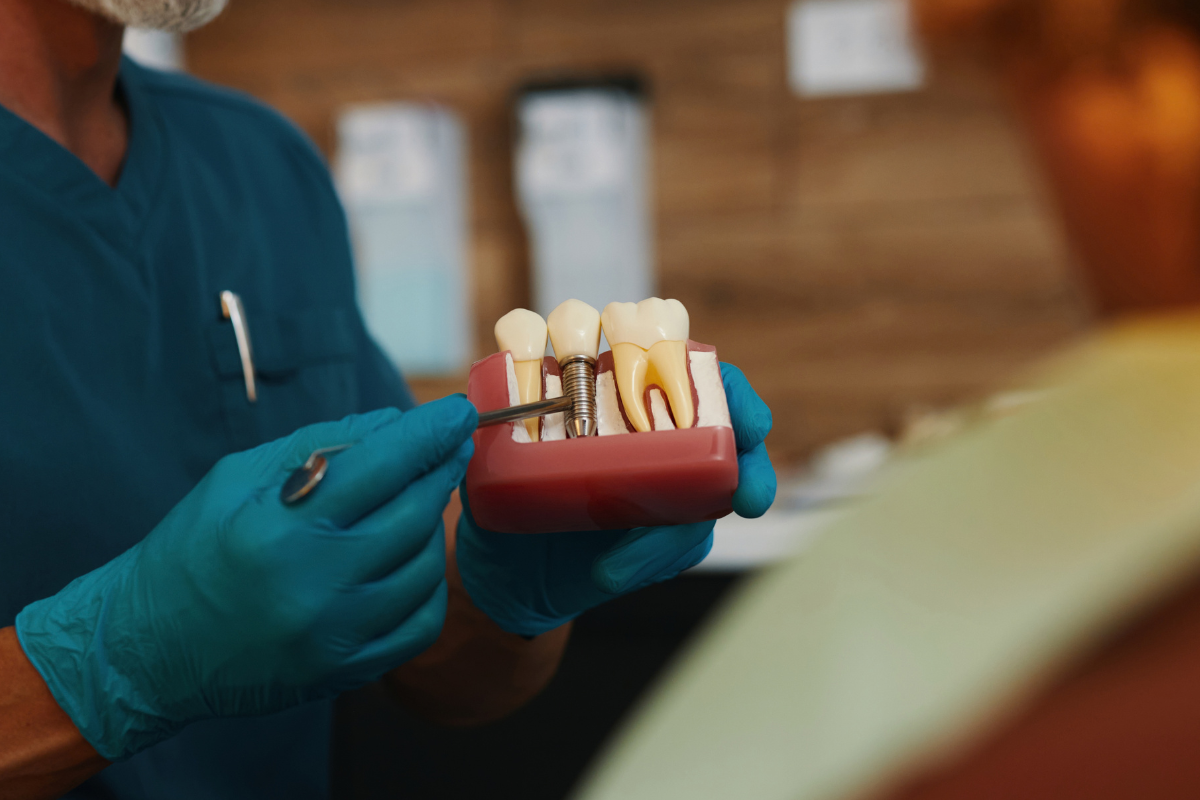
Losing a tooth can affect much more than the appearance of your smile. It can make chewing uncomfortable, affect nearby teeth, and contribute to changes in the jawbone over time. Dental implants offer a long-term tooth replacement option, but successful treatment starts with careful planning. A dentist first needs to understand your oral health, the condition of your jawbone, the number of missing teeth, and your goals before recommending an implant solution.
For patients considering implant treatment, understanding how this planning process works can make the decision feel much more manageable.
Your Dentist Starts With a Detailed Oral Evaluation
The first step is determining whether your mouth is ready for implant treatment. During a consultation, your dentist examines your gums, remaining teeth, bite, and the area where teeth are missing. Your medical and dental history may also be reviewed because certain health conditions, medications, and lifestyle factors can influence healing.
At Memphis Dentures and Implants, implant consultations include an examination and 3D imaging to evaluate the jawbone and determine whether implants can be placed safely. This evaluation helps the dental team identify concerns that may need to be addressed before implant placement.
The Condition of Your Jawbone Matters
A missing tooth does not only leave an empty space. Without the stimulation provided by a natural tooth root, the surrounding jawbone can gradually lose volume. This may affect the foundation available for an implant. Your dentist will therefore evaluate the amount and quality of bone around the planned implant site. If there has been significant bone loss, additional treatment such as bone grafting may sometimes be considered before implant placement in Lakeland. This is one reason implant planning cannot follow exactly the same timeline for every patient.
Choosing the Right Implant Solution
Not every missing-tooth situation requires the same type of restoration. Your dentist will consider how many teeth are missing, where they are located, the condition of your remaining teeth, and your overall oral health.
Depending on your needs, options may include:
- Single-tooth implants: Used to replace an individual missing tooth.
- Implant bridges: Used when several teeth need replacement.
- Snap-in implant dentures: Removable dentures supported by dental implants.
- Full-mouth implants: Fixed implant-supported teeth designed to replace an entire arch.
Memphis Dentures and Implants provides single-tooth implants and bridges, snap-in implant dentures, and full-arch implant solutions for patients in Lakeland.
Planning the Treatment Timeline
Once the appropriate approach has been selected, your dentist can explain what happens before, during, and after implant placement. This may include extractions, implant placement, healing, and the attachment of the final restoration. For conventional single-tooth implants, the implant post needs time to integrate with the jawbone before the final crown is attached. Memphis Dentures and Implants notes that this process commonly involves several months of healing, although individual timelines can vary.
Some full-arch cases may follow a different timeline. The practice explains that certain patients may receive temporary fixed teeth on the day implants are placed when adequate implant stability is achieved.
Why Experience Matters When Planning Implant Care
Implant treatment involves several decisions, so working with a dental team experienced in implant care can help you understand your options clearly. At Memphis Dentures and Implants, Dr. Wes Johnson, DDS, completed a residency focused on implantology and implant prosthetics and has pursued continuing education in implant treatment. Dr. Laura Vo, DDS, is also part of the practice’s dental team.
Patients searching for the best dentist in Lakeland should look beyond a title and consider factors such as relevant training, experience with the procedure they need, diagnostic capabilities, and whether the practice provides a treatment plan suited to their individual situation.
Moving Forward With a Personalized Implant Plan
Tooth replacement should not be approached as a one-size-fits-all procedure. A thorough evaluation allows your dentist to understand your oral health and develop a plan around your specific needs. Memphis Dentures and Implants focuses on dental implants, extractions, dentures, and implant-supported restorations, with an on-site dental laboratory that supports its treatment process.
If you are considering implant treatment in Lakeland, schedule a consultation with Memphis Dentures and Implants to discuss your tooth replacement options and determine what approach may be appropriate for your smile.
FAQs
1. How does a dentist determine where a dental implant should be placed?
A dentist evaluates the missing tooth area, surrounding teeth, gum tissue, and available jawbone. Dental imaging, including 3D scans when appropriate, can help determine the safest position and angle for implant placement.
2. Can a dental implant be placed if the tooth has already been missing for several years?
Possibly. However, long-term tooth loss can result in jawbone deterioration. A dentist will evaluate the available bone and may recommend additional procedures before implant placement if there is not enough support.
3. What happens if I need a tooth extraction before getting an implant?
Your dentist may recommend removing a damaged or non-restorable tooth before implant treatment. Depending on your oral health and treatment plan, the implant may be placed immediately or after the extraction site has healed.
4. Can my dentist use an implant to replace more than one missing tooth?
Yes. Depending on the number and location of missing teeth, your treatment plan may involve multiple implants supporting individual crowns, a bridge, or an implant-supported denture.
5. How does my bite affect dental implant planning?
Your bite influences how much force the replacement teeth will receive. A dentist considers your bite and the position of your surrounding teeth when planning implant placement to help create a stable and functional restoration.
6. What should I ask my dentist before starting implant treatment?
Ask about the recommended implant option, imaging and evaluation process, whether bone grafting may be necessary, the expected treatment timeline, temporary teeth, final restoration, and how follow-up care will be handled.