Losing a tooth affects more than just your smile. It can make eating, speaking, and maintaining good oral health more difficult over time. If you’re exploring tooth replacement options, you’ve likely come across two of the most common solutions: dental implants and dental bridges. While both treatments restore missing teeth, they work in very different ways and offer unique long-term benefits. Understanding these differences can help you make a confident decision that supports your oral health for years to come.
At Memphis Dentures and Implants, we help patients choose the treatment that best fits their lifestyle, budget, and dental health. If you’re considering dental implant treatment, our experienced team will guide you through every step of the process so you can enjoy a healthy, functional smile again.
Understanding the Difference Between Dental Implants and Bridges
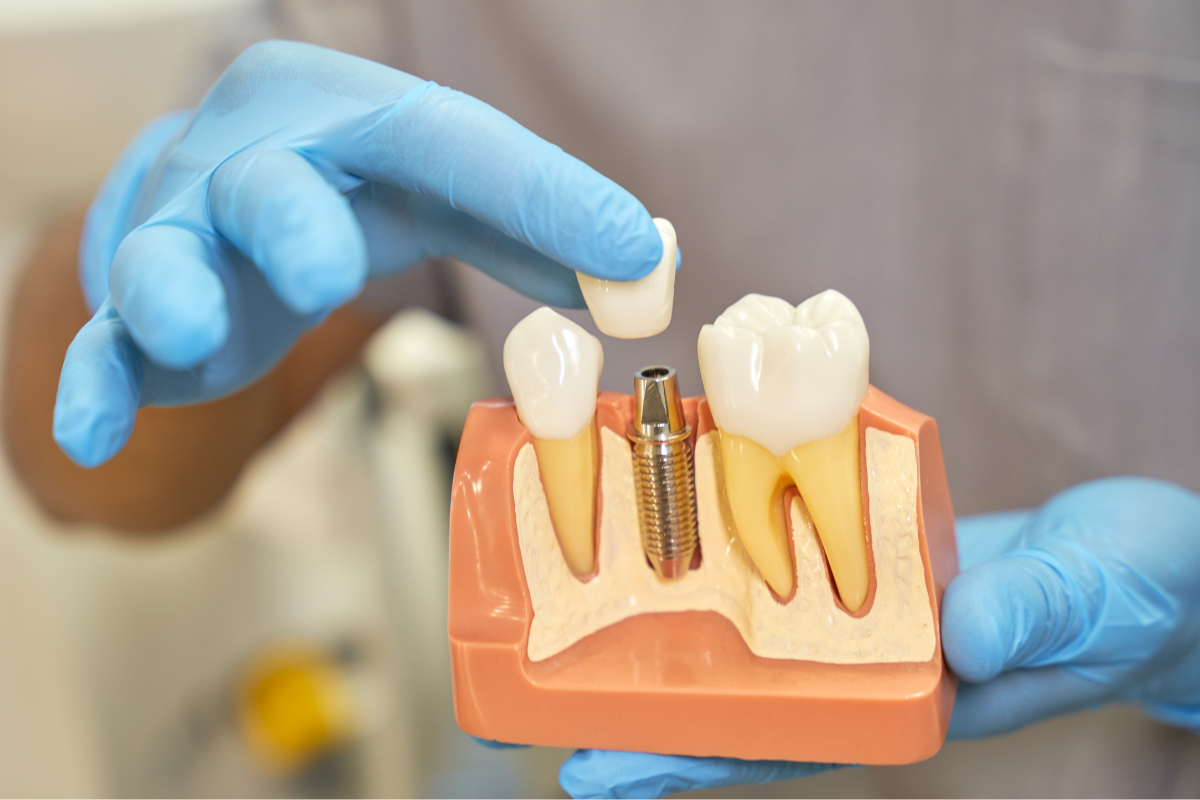
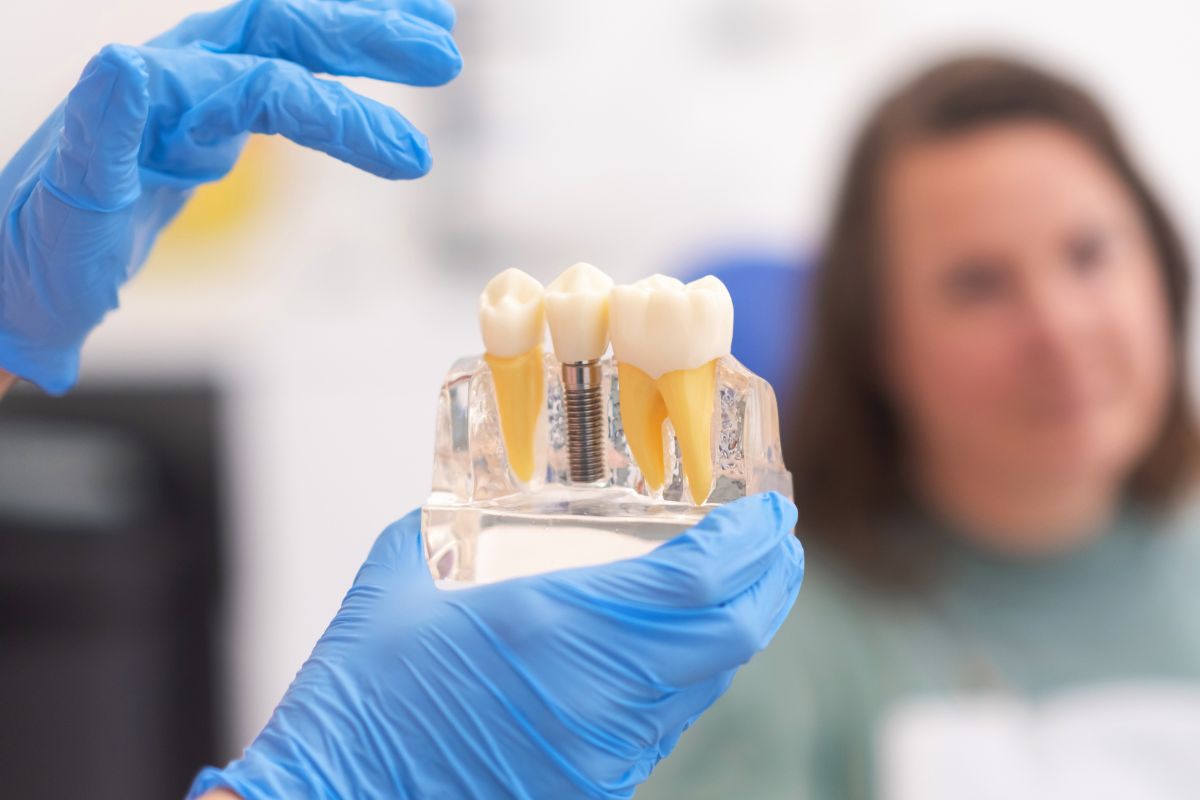
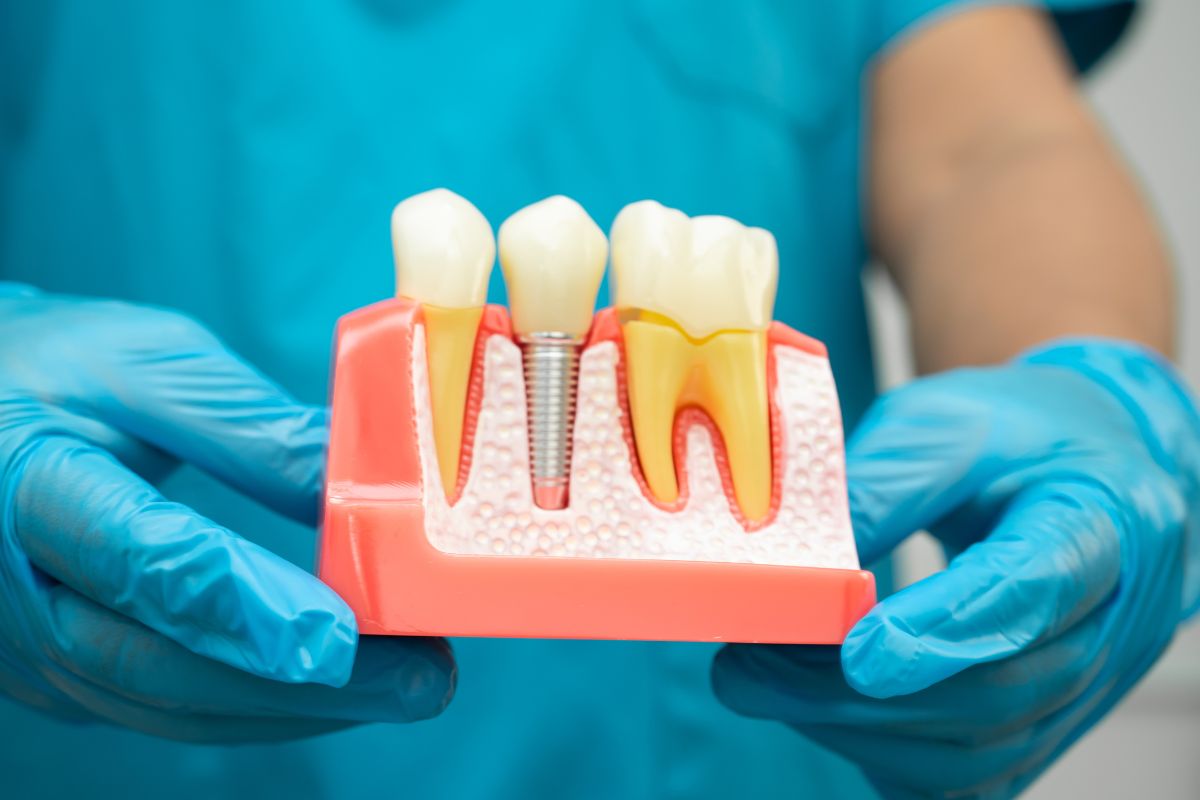
Although dental implants and bridges are both designed to replace missing teeth, they function differently. A dental implant replaces the entire missing tooth, including the root. A small titanium post is placed into the jawbone, where it naturally bonds with the bone during healing. Once the implant has fully integrated, a custom-made dental crown is attached, creating a replacement tooth that looks and functions like a natural one.
A dental bridge, on the other hand, fills the gap by suspending an artificial tooth between two dental crowns. These crowns are attached to the neighboring teeth, which must be reshaped to support the bridge.
Here’s a simple comparison:
| Feature | Dental Implant | Dental Bridge |
|---|---|---|
| Replaces tooth root | Yes | No |
| Preserves jawbone | Yes | No |
| Requires neighboring teeth for support | No | Yes |
| Involves surgery | Yes | No |
| Typical longevity | 20+ years or longer with proper care | Around 10–15 years |
| Supports natural chewing ability | Yes | Yes |
Because implants function like natural tooth roots, many patients find them to be the most comprehensive tooth replacement option available.
Why Jawbone Health Matters After Tooth Loss
One of the biggest differences between dental implants and bridges is how they affect your jawbone. Your natural tooth roots stimulate the jawbone every time you chew. This stimulation helps maintain bone strength and density. Once a tooth is lost, that stimulation disappears, causing the surrounding bone to gradually shrink.
This process, known as bone resorption, can lead to:
- Changes in facial appearance
- A sunken smile
- Reduced support for nearby teeth
- Difficulty wearing future restorations
- Additional tooth loss over time
Since a dental bridge sits above the gums without replacing the tooth root, it cannot stop this natural bone loss.
Dental implants are different because the titanium post acts as an artificial tooth root. Once it integrates with the jawbone, it provides the stimulation needed to help maintain healthy bone levels. For many patients seeking dental implant treatment in Lakeland, preserving jawbone health is one of the biggest advantages of choosing implants over traditional bridges.
How Dental Implants Support Long-Term Oral Health
Beyond replacing a missing tooth, dental implants help maintain the overall stability of your mouth. Some of their long-term benefits include:
- Helping preserve natural facial structure
- Preventing neighboring teeth from shifting
- Supporting a strong, healthy bite
- Allowing patients to enjoy a wider variety of foods
- Providing a natural appearance that blends seamlessly with surrounding teeth
Unlike removable tooth replacement options, implants remain securely anchored in the jaw, allowing patients to eat, laugh, and speak with confidence. Working with an experienced dental implant provider ensures your treatment is carefully planned to achieve predictable, long-lasting results.
Is Every Patient a Candidate for Dental Implants?
Many adults with missing teeth are good candidates for dental implants. However, eligibility depends on several factors, including:
- Overall oral health
- Gum health
- Jawbone density
- Medical history
- Smoking habits
- Commitment to maintaining good oral hygiene
Even if you’ve been told you have bone loss, you may still qualify for implants after procedures such as bone grafting. A comprehensive evaluation allows your dentist to determine the most appropriate treatment plan for your individual needs.
At Memphis Dentures and Implants, we perform a thorough examination before recommending treatment so you can understand all of your options with confidence.
Comparing the Long Term Cost of Dental Implants and Bridges
When comparing tooth replacement options, many people naturally focus on the upfront cost. While this is important, it’s equally valuable to consider the long-term investment each treatment offers. Dental bridges often have a lower initial cost because they do not require oral surgery. However, they may need to be replaced after years of daily use due to normal wear, damage, or changes in the supporting teeth.
Dental implants generally involve a higher initial investment, but they are designed to be a long-lasting solution. With proper care and regular dental checkups, the implant itself can last for decades, while the crown may only require replacement after many years of use. Instead of asking, “Which option costs less today?” it’s often more helpful to ask, “Which option will provide the best value over the next 20 years?”
Long Term Comparison
| Feature | Dental Implant | Dental Bridge |
|---|---|---|
| Initial Cost | Higher | Lower |
| Lifespan | 20 years or longer with proper care | Typically 10 to 15 years |
| Replacement Frequency | Rare | May require replacement over time |
| Protects Jawbone | Yes | No |
| Risk to Neighboring Teeth | None | Supporting teeth may develop problems |
| Long Term Value | Excellent | Moderate |
Many patients who choose dental implant treatment in Lakeland appreciate that implants can reduce the need for future restorative procedures while helping maintain better oral health.
How Do Dental Bridges Affect Neighboring Teeth?
One important consideration with a dental bridge is that it depends on the neighboring teeth for support. To place a bridge, the healthy teeth on either side of the gap are reshaped so that dental crowns can be fitted over them. Although this is a well-established treatment, it permanently removes some natural tooth structure.
Over time, the supporting teeth may experience:
- Increased wear
- Tooth decay around the crown margins
- Fractures
- The need for root canal treatment
- Additional restorative procedures
If one of the supporting teeth becomes damaged or fails, the entire bridge may need to be replaced. Dental implants avoid this issue because they stand independently. They replace the missing tooth without relying on adjacent teeth, allowing your natural teeth to remain healthy and untouched whenever possible.
When Is a Dental Bridge the Better Choice?
Although dental implants offer many long-term advantages, they are not always the best solution for every patient. A dental bridge may be recommended if:
- You prefer a non-surgical treatment.
- Your jawbone does not currently have enough density for an implant.
- You need a faster tooth replacement option.
- The neighboring teeth already require crowns due to extensive damage.
- Certain medical conditions make implant surgery less appropriate.
During your consultation, your dentist will carefully evaluate your oral health and discuss the benefits and limitations of each treatment before recommending the most suitable option.
At Memphis Dentures and Implants, we believe every treatment plan should be personalized. Our goal is to recommend the option that best supports your long-term oral health, not simply the one that is most common.
Conclusion
Both dental implants and dental bridges can successfully restore missing teeth, but they serve different needs. Dental implants offer exceptional stability, preserve jawbone health, and protect neighboring teeth, making them an excellent long-term investment for many patients. Dental bridges remain a reliable option for individuals who are not candidates for implant surgery or who require a quicker, non-surgical solution. The best choice depends on your unique oral health, lifestyle, and treatment goals.
At Memphis Dentures and Implants, we take the time to explain every option so you can feel confident about your decision. If you’re ready to restore your smile, schedule a consultation with our experienced team and learn whether dental implants or a bridge is the right solution for you.
FAQs
Are dental implants better than dental bridges?
Dental implants and dental bridges are both effective tooth replacement options, but they offer different benefits. Dental implants replace both the tooth root and crown, helping preserve jawbone health and protecting nearby teeth. Bridges may be a suitable choice for patients who prefer a non-surgical solution or are not candidates for implants. An evaluation with a qualified dental implant provider can help determine the best option for your needs.
How long do dental implants and bridges last?
With proper care and regular dental visits, dental implants can last for decades, and the implant post may last a lifetime. Dental bridges typically last between 10 and 15 years before they may need repair or replacement. Good oral hygiene plays an important role in extending the lifespan of either restoration.
Do dental implants prevent bone loss?
Yes. Dental implants replace the missing tooth root, allowing the jawbone to receive the stimulation it needs during chewing. This helps maintain bone density and reduce the bone loss that naturally occurs after losing a tooth. Traditional dental bridges do not provide this benefit because they sit above the gums without replacing the root.
Is dental implant treatment painful?
Most patients are surprised by how comfortable the procedure is. Dental implant placement is performed using local anesthesia, and sedation options may also be available for added comfort. Mild soreness after surgery is normal and usually improves within a few days. Your dentist will provide detailed aftercare instructions to support a smooth recovery.
How do I know if I’m a candidate for dental implants?
Most healthy adults with one or more missing teeth may qualify for dental implant treatment. Factors such as healthy gums, sufficient jawbone density, and overall health will be evaluated during your consultation. Even if you have experienced bone loss, treatments such as bone grafting may help prepare your mouth for successful implant placement.