There are real reasons why so many Ellendale residents delay replacing missing teeth. Misinformation tops the list every time. The Missing teeth can affect more than your smile. They may make eating difficult, affect how you speak, or leave you feeling less confident in everyday situations. Yet, many people delay replacing missing teeth because they have heard concerning stories about dental implants.
The truth is that several common beliefs about implants are based on outdated information or misunderstandings. Understanding what is fact and what is fiction can help you have a more informed conversation with our dentist about your options. Here are five common dental implant myths Lakeland patients should know before deciding whether implants may be right for them.
Myth #1: Dental Implants Are Too Painful
Fear of pain is one of the most common reasons people hesitate to consider implant treatment. The idea of undergoing an oral procedure can sound intimidating, but the actual experience is often more manageable than patients expect. Dental implants are placed using local anesthesia to numb the treatment area. This helps minimize discomfort during the procedure. After treatment, some soreness, swelling, or tenderness can occur as the mouth heals, but these effects are generally temporary and can be managed according to our dentist’s instructions.
Patients who experience dental anxiety may also have sedation options available. Your dental team can discuss appropriate ways to help you remain comfortable throughout treatment. If fear of discomfort has kept you from replacing missing teeth, discussing your concerns during an implant consultation can help you understand what to expect from dental implant treatment in Lakeland.
Myth #2: I’m Too Old for Dental Implants
Another common misconception is that dental implants are only appropriate for younger adults. Age by itself does not determine whether someone can receive implants. Instead, our dentist will consider factors such as your oral health, jawbone condition, gum health, medical history, and ability to heal properly. Older adults may be candidates for implants after a thorough evaluation.
For patients who have worn traditional dentures for years, implants may offer additional stability. They can help support replacement teeth and make everyday activities such as eating and speaking more comfortable. Our dentist can evaluate your individual circumstances and determine whether implant treatment is an appropriate option.
Myth #3: Dental Implants Look Fake
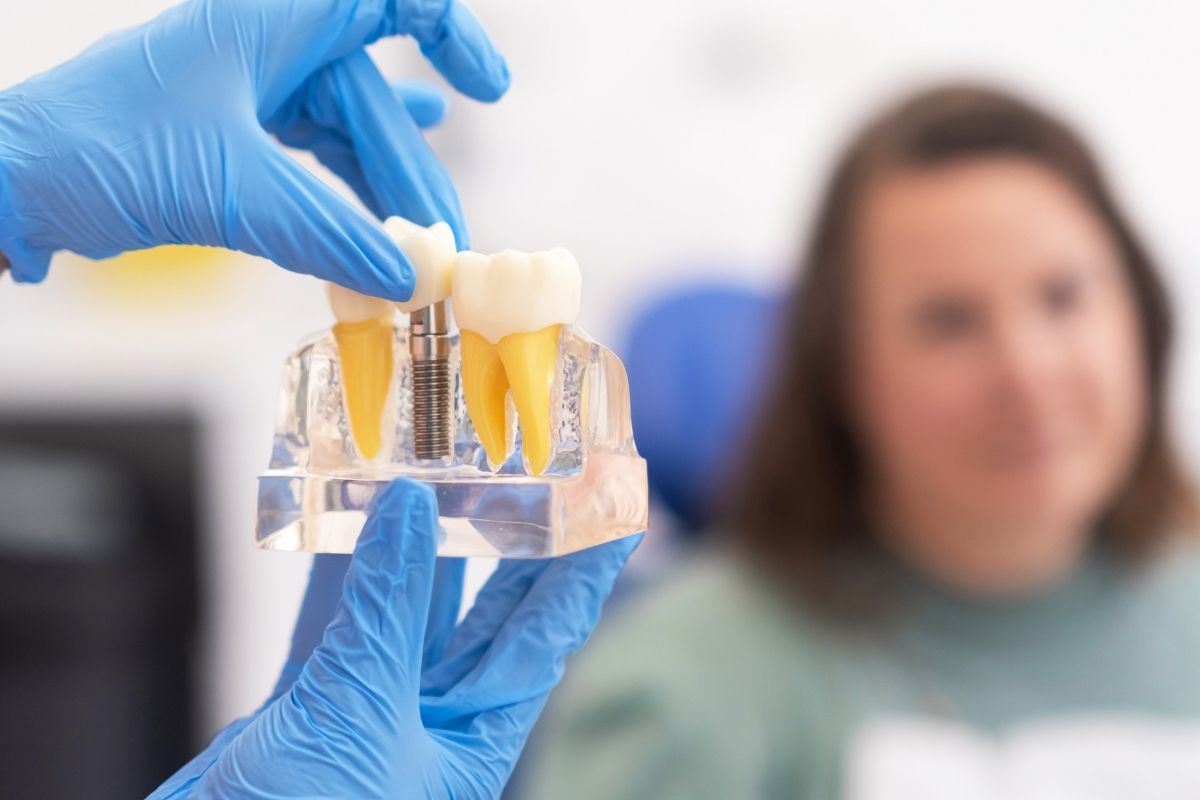
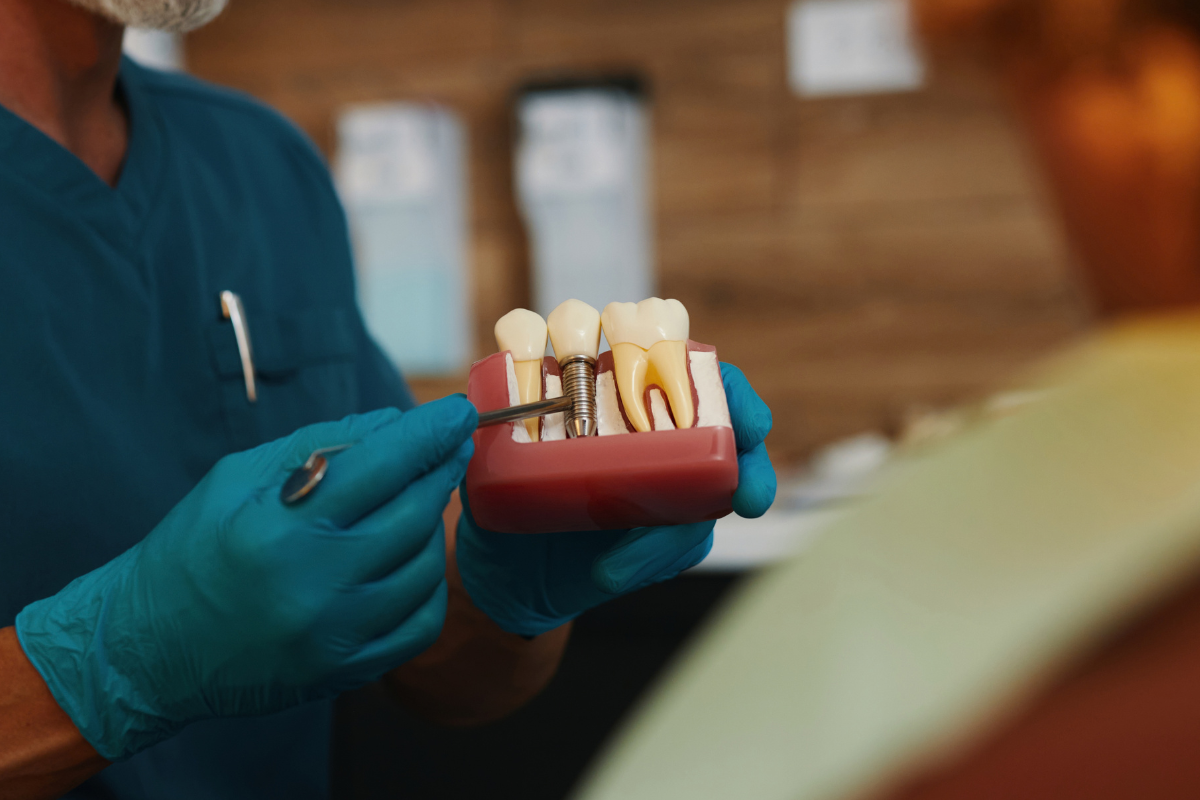
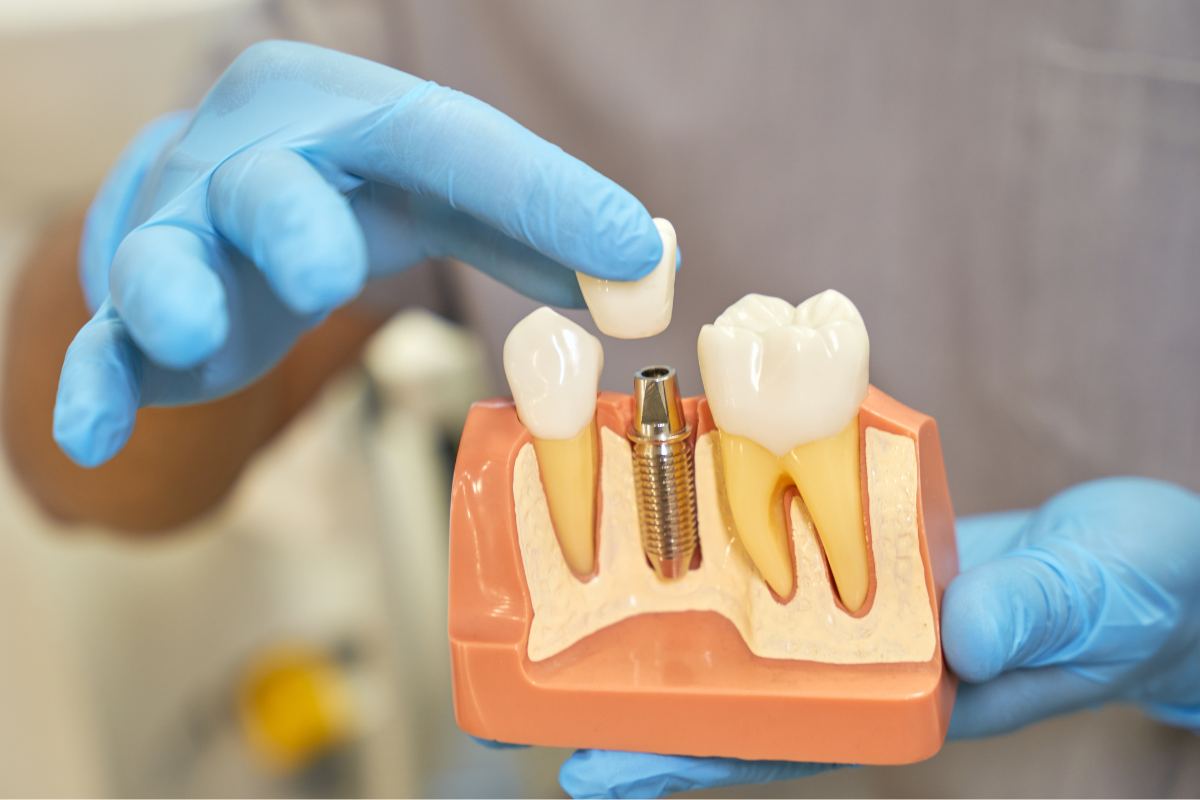
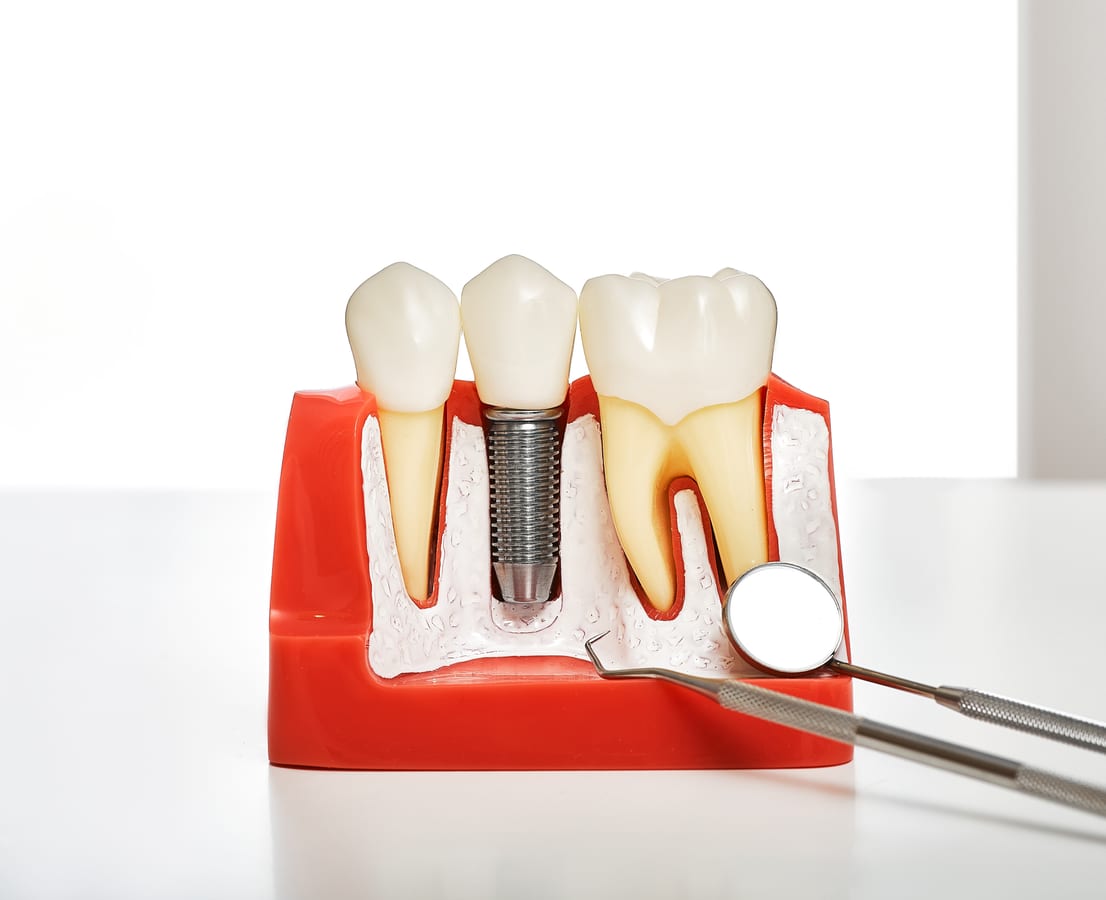
Some people worry that dental implants will be noticeably artificial. Modern implant restorations, however, are designed to blend with the surrounding teeth in shape, size, and appearance. An implant itself is placed below the gumline and functions as a replacement tooth root. A custom restoration, such as a crown, is then attached to the implant after the appropriate healing process.
Because the restoration is designed specifically for your mouth, our dentist can consider factors such as the color and shape of your natural teeth when planning your smile. The goal is not simply to replace a missing tooth. It is to create a restoration that fits naturally within your smile.
Myth #4: Dental Implants Are Only for People Missing One Tooth
Dental implants are not limited to patients who have lost a single tooth. Depending on your needs, implants may be used in several different treatment situations. A single implant can support an individual replacement tooth. Multiple implants can support several missing teeth, while implant-supported dentures can provide additional stability for patients who have lost most or all of their natural teeth.
The appropriate approach depends on the number of missing teeth, available bone, gum health, and overall treatment goals. A dental evaluation is necessary to determine which type of restoration may be suitable.
Myth #5: Dental Implants Don’t Last Long
Some patients believe implants are a temporary solution and will need to be replaced after only a few years. While no dental restoration lasts forever, dental implants are designed to provide a long-term solution for missing teeth when properly planned and maintained. Good oral hygiene, regular dental visits, and following our dentist’s recommendations can help support the health of the tissues surrounding an implant. Habits such as smoking and certain oral health problems can also affect implant health and should be discussed with your dental provider.
The longevity of an implant can vary from person to person, so our dentist can explain what you can realistically expect based on your individual situation.
What Should You Know Before Choosing Dental Implants?
Dental implants can be an option for replacing missing teeth, but they are not automatically right for everyone. our dentist will evaluate your teeth, gums, jawbone, and overall oral health before recommending treatment.
If you are considering dental implant treatment in Lakeland, an evaluation can help you understand your available options and what the treatment process may involve. You can also discuss concerns about discomfort, healing time, bone health, or the type of restoration that may work best for you.
Get the Facts About Dental Implants
Believing common myths about implants can prevent people from exploring an option that may be suitable for their needs. Whether you have lost one tooth or several, getting accurate information from a dental professional is an important first step.
If you are interested in learning whether dental implants could help restore your smile and function, schedule a consultation with Memphis Dentures and Implants. A personalized evaluation can help you understand your options and determine the next steps for replacing missing teeth.
FAQs
Can I eat normally after getting a dental implant?
You may need to modify your diet temporarily while the treatment area heals. Your dentist may recommend softer foods initially and gradually returning to your normal diet as healing progresses.
Will people be able to tell that I have a dental implant?
A properly planned implant restoration is designed to blend with your natural teeth. The appearance can be customized to match the surrounding teeth, making it difficult to distinguish from a natural tooth.
Do dental implants require special care compared with natural teeth?
Implants still require consistent oral hygiene. Brushing, cleaning between your teeth, and attending regular dental visits are important for maintaining the health of the implant and surrounding tissues.
What happens if I have been missing a tooth for several years?
Having a missing tooth for an extended period does not automatically mean implants are off the table. However, the jawbone can change after tooth loss. Your dentist will evaluate the area to determine whether additional treatment may be needed before implant placement.
Can an implant be placed if I am nervous about dental procedures?
Dental anxiety does not necessarily prevent you from receiving implant treatment. Discuss your concerns with your dental provider before treatment. Depending on your situation, sedation options may be available to make the experience more comfortable.
Is getting a dental implant similar to having a tooth pulled?
Both procedures involve treatment of the area where a tooth is or was located, but implant placement is a different procedure from tooth extraction. Your dentist can explain the steps involved and what you can expect during each stage of treatment.
What if I already wear dentures? Can I still consider implants?
Existing dentures do not automatically rule out implant treatment. In some cases, implants can be used to provide additional support for dentures. An evaluation can determine whether this approach is appropriate for your oral health and treatment goals.