Missing teeth can affect far more than appearance. They can make chewing difficult, change speech patterns, and even alter the structure of the face over time. A prosthodontist is a dental specialist trained to restore missing or damaged teeth using advanced restorative treatments. These professionals focus on rebuilding smiles so patients can eat comfortably, speak clearly, and maintain healthy oral function.
Patients dealing with tooth loss often benefit from the experience of a prosthodontist who understands how to restore both the health and appearance of a smile. Through treatments such as dental implants, crowns, bridges, and custom dentures, prosthodontists create solutions designed for long-term comfort and durability.
Understanding the Role of a Prosthodontist
A prosthodontist is a dentist who completes additional years of specialized training in tooth replacement and complex dental restoration. Their work focuses on restoring missing teeth while preserving the function of the mouth and improving the appearance of the smile.
This specialty is especially important for patients who have lost teeth due to decay, injury, gum disease, or age related wear. A prosthodontist also treats individuals who need to repair older dental work or rebuild multiple teeth at once.
Because restoring a smile often involves careful planning, prosthodontists consider both function and aesthetics when recommending treatment. Their goal is to create restorations that look natural while allowing patients to chew and speak comfortably.
Careful Examination and Personalized Treatment Planning
Every case of tooth loss is different. Before recommending treatment, our trusted prosthodontist in Lakeland performs a thorough evaluation to understand the patient’s needs.
During this process, the dentist typically examines several factors that influence restoration success. These may include the number of missing teeth, the health of surrounding teeth and gums, the strength of the jawbone, and how the upper and lower teeth meet when biting.
Once these details are reviewed, a personalized treatment plan is developed. Patients who visit Memphis Dentures and Implants often appreciate how carefully their options are explained so they can make informed decisions about restoring their smile.
Dental Implants as a Long Term Tooth Replacement
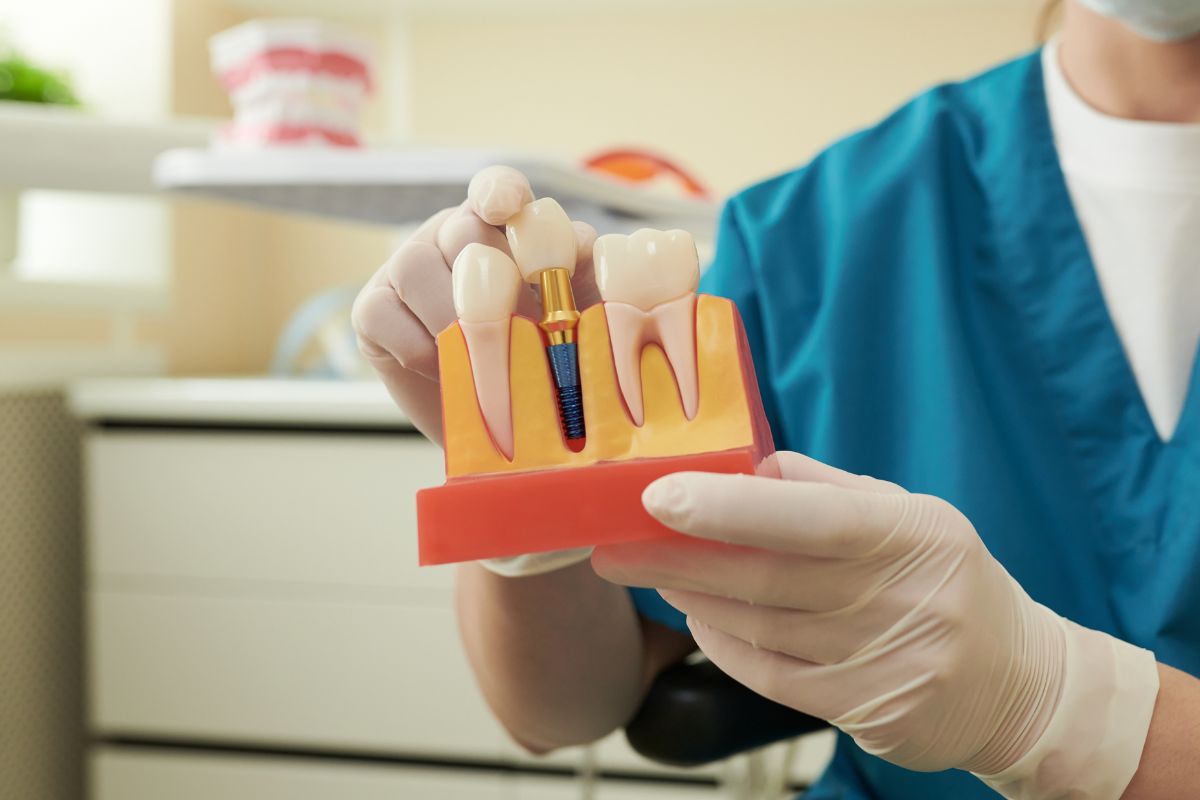
Dental implants are widely considered one of the most reliable ways to replace missing teeth. An implant functions as an artificial tooth root placed into the jawbone. After the bone heals around it, a crown or other restoration is attached to complete the replacement tooth.
Implants provide several advantages for patients with missing teeth. They restore strong chewing ability, help maintain the natural shape of the face, and prevent the bone loss that often occurs after tooth loss.
Because the process requires precise planning, prosthodontists play an important role in designing the final restoration so the implant blends naturally with surrounding teeth.
Custom Dentures Designed for Comfort and Stability
Dentures continue to be an effective option for patients who are missing multiple teeth or an entire arch. A prosthodontist designs dentures to match the patient’s mouth, facial structure, and bite.
Full dentures are used when all teeth in the upper or lower jaw are missing. Partial dentures are recommended when some natural teeth remain and can help support the restoration.
Some patients may benefit from dentures that attach to dental implants. Implant supported dentures provide improved stability and allow patients to eat more comfortably compared to traditional removable dentures.
Modern denture designs also help maintain facial support, which can improve overall appearance and confidence.
Dental Bridges to Replace Missing Teeth
A dental bridge is another solution used to restore gaps caused by missing teeth. This restoration connects an artificial tooth to neighboring teeth or implants for support.
Bridges help restore normal chewing function while preventing nearby teeth from shifting into the empty space. When designed properly, a bridge blends seamlessly with surrounding teeth and helps maintain proper bite alignment.
Prosthodontists carefully design bridges so they match the shape, color, and natural contour of the patient’s smile.
Restoring Damaged Teeth with Dental Crowns
Not every tooth that needs treatment is completely missing. Sometimes teeth are weakened by decay, fractures, or large fillings. Dental crowns are often used to strengthen these teeth and restore their appearance.
A crown covers the visible portion of the tooth and protects it from further damage. Prosthodontists design crowns that match natural teeth in color and shape so the restoration blends naturally with the rest of the smile.
Crowns are also commonly used with dental implants and bridges to complete the restoration process.
Full Mouth Rehabilitation for Complex Cases
Some patients experience extensive tooth loss or severe dental damage that requires multiple treatments. In these situations, prosthodontists may recommend full mouth rehabilitation.
This approach combines several restorative procedures to rebuild the function and appearance of the entire smile. Treatments may include implants, crowns, bridges, and dentures working together as part of a coordinated plan.
When patients seek care, they often learn that the advanced training of a specialist is what makes a prosthodontist a strong choice when complete smile rehabilitation is needed.
Why Replacing Missing Teeth Is Important
Leaving missing teeth untreated can lead to several long term oral health concerns. Teeth surrounding the empty space may begin to shift, which can affect bite alignment and chewing ability. Bone loss in the jaw may also occur over time.
Replacing missing teeth helps restore proper function and supports the structure of the face. It also reduces strain on remaining teeth and allows patients to eat a wider range of foods comfortably. By addressing tooth loss early, patients can avoid complications and maintain healthier oral function.
Conclusion
A prosthodontist plays an essential role in restoring smiles affected by missing or damaged teeth. Through treatments such as dental implants, bridges, crowns, and custom dentures, these specialists help patients regain the ability to eat, speak, and smile with confidence.
If missing teeth are affecting your daily life, professional care can help restore your smile and oral function. The team at Memphis Dentures and Implants provides personalized restorative solutions designed to help patients regain comfort, stability, and confidence.
Schedule a consultation today to learn more about the treatment options available for restoring your smile.
FAQs
What is the difference between a prosthodontist and a general dentist?
A general dentist provides routine dental care such as cleanings, fillings, and basic restorations. A prosthodontist completes additional years of specialized training focused on restoring and replacing missing or damaged teeth. They often handle more complex cases involving dental implants, dentures, crowns, bridges, and full smile reconstruction.
When should I see a prosthodontist for missing teeth?
You should consider seeing a prosthodontist if you have lost one or more teeth, are experiencing difficulty chewing, or have older dental restorations that need replacement. These specialists are trained to evaluate your oral health and recommend the most suitable treatment for restoring function and appearance.
What treatment options can a prosthodontist use to replace missing teeth?
A prosthodontist may recommend several treatment options depending on the condition of your teeth and jawbone. These may include dental implants, fixed bridges, partial dentures, full dentures, or implant supported dentures. Each treatment is designed to restore chewing ability, improve speech, and maintain a natural looking smile.
Are dental implants better than dentures for replacing missing teeth?
Dental implants are often considered a long term solution because they function like natural tooth roots and help prevent bone loss in the jaw. However, dentures can still be an effective option for many patients, especially when multiple teeth are missing. A prosthodontist can help determine which option is best based on your individual needs.
How long do dental restorations from a prosthodontist last?
The lifespan of dental restorations depends on the type of treatment and how well they are cared for. Dental implants can last many years or even decades with proper oral hygiene. Crowns, bridges, and dentures also last a long time when patients maintain regular dental visits and good home care.