If you are wondering what makes a prosthodontist different from a general dental provider, the simple answer is training and focus. While a general dentist provides routine oral care, a prosthodontic specialist has advanced education in restoring and replacing teeth through treatments such as dentures, dental implants, crowns, bridges, and complete smile rehabilitation. For people in Lakeland who need long-term solutions for missing or damaged teeth, understanding this difference can help them choose care that better fits their dental needs.
When tooth loss, damaged teeth, or complex restorative concerns affect daily comfort and confidence, many people start looking for answers beyond routine dental care. That is where a specialist in advanced restoration can make a meaningful difference.
What Does a Prosthodontist Do?
A prosthodontist is a dental specialist who focuses on restoring and replacing teeth. After dental school, this specialist completes additional years of advanced education centered on tooth replacement, cosmetic restoration, bite function, dentures, crowns, bridges, and dental implants.
General dentists often treat everyday concerns such as cleanings, fillings, preventive care, and routine dental exams. A prosthodontic specialist, however, works more closely with complex cases involving severe tooth damage, missing teeth, worn smiles, or full mouth restoration.
For patients in Lakeland who struggle with chewing discomfort, gaps in their smile, or worn dental work, this type of focused care can help improve function as well as appearance.
Education and Training: A Major Difference
One of the biggest differences comes down to advanced education. A general dental provider is trained to diagnose and treat a wide range of oral health concerns. However, a prosthodontic specialist receives extra training that focuses specifically on rebuilding smiles and restoring oral function.
This advanced training allows them to plan treatments for patients dealing with:
- Missing teeth
- Broken or severely damaged teeth
- Complex bite concerns
- Ill fitting dentures
- Full mouth restoration needs
- Long term tooth replacement planning
Because restoring teeth affects chewing, speech, and comfort, treatment planning often requires detailed attention to balance, fit, and long term durability.
How Is Care Different From a General Dental Provider?
Many patients ask whether they should see a general dentist or a specialist for restorative care. The answer depends on the complexity of the situation. A general dental provider may recommend crowns, bridges, or removable appliances for routine cases. However, if a patient needs extensive restoration or has multiple missing teeth, a prosthodontist may offer a more detailed approach to treatment planning.
For example, a patient who has struggled with slipping dentures or failing dental work may benefit from care designed around long term stability and function rather than a short term fix. This can be especially important for people considering implant supported dentures, multiple crowns, or oral rehabilitation.
When Should You Consider Seeing a Prosthodontic Specialist?
Not every dental issue requires specialized treatment, but certain situations may benefit from advanced restorative care.
You may want to consider visiting a specialist if you:
- Have one or more missing teeth
- Need dentures or replacement options that fit comfortably
- Are considering dental implants
- Have worn, cracked, or damaged teeth
- Need several restorations completed together
- Want help rebuilding smile function after years of dental concerns
People looking for a trusted prosthodontist in Lakeland often seek help after living with discomfort, unstable restorations, or cosmetic concerns for years. The goal is not simply replacing teeth. It is restoring comfort, appearance, and day to day function in a way that feels natural.
Why Experience Matters in Tooth Replacement
Replacing teeth is not only about appearance. It affects speech, chewing ability, jaw comfort, and confidence. A specialist trained in restorative dentistry carefully evaluates how replacement teeth fit into the overall structure of the mouth. Small details such as bite alignment and balance can influence how comfortable and long lasting treatment feels.
Whether someone needs dentures, dental crowns, implant restoration, or a more complete smile restoration plan, experience in advanced restorative care often plays a role in achieving predictable results. For Lakeland residents, finding care that supports long-term comfort can make a meaningful difference in everyday life.
What Treatments May Be Offered?
Depending on a patient’s needs, restorative treatment options may include:
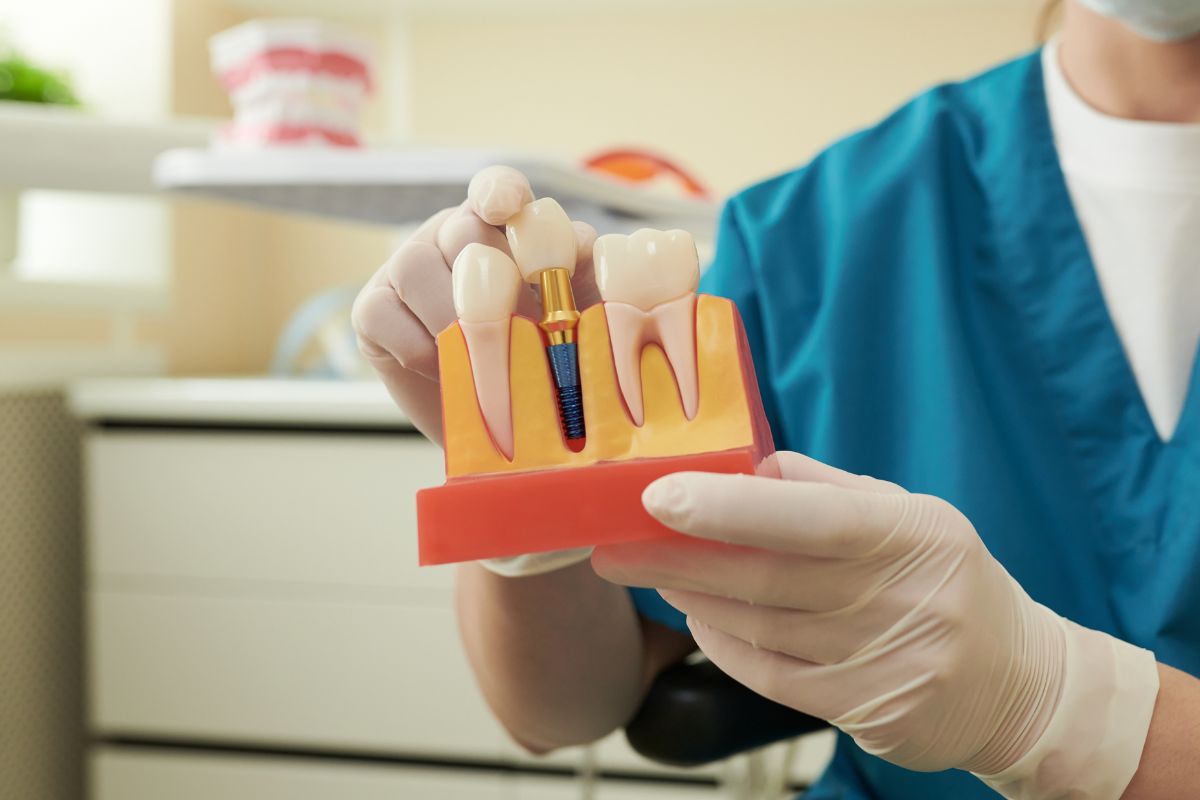
- Dental implants for replacing missing teeth
- Dentures designed for improved fit and comfort
- Crowns to restore damaged teeth
- Bridges to replace missing teeth
- Cosmetic restoration for smile improvements
- Full mouth rehabilitation for complex concerns
Because every mouth is different, treatment plans are usually personalized to fit oral health goals, lifestyle, and comfort preferences.
Conclusion
Understanding the difference between a prosthodontist and a general dental provider comes down to training, focus, and the complexity of care needed. While general dental providers manage routine oral health needs, prosthodontic specialists focus on restoring damaged or missing teeth through advanced treatment planning and restorative solutions.
If you have missing teeth, worn dental work, or questions about restorative options, the team at Memphis Dentures and Implants in Lakeland can help you better understand available treatments and what may work best for your smile goals. Schedule an appointment today!