When a patient in Lakeland needs full mouth dental implants, a dentist creates a personalized plan by evaluating oral health, reviewing medical history, studying digital scans and designing a treatment sequence that matches the patient’s long term goals. This early planning makes the procedure more predictable and helps ensure the final teeth look natural, feel stable and function comfortably. In a community like Lakeland where many adults seek reliable tooth replacement options, a well structured implant plan is essential for long term success.
As someone who has treated many patients through this process, I can say that full arch implant treatment requires more than placing fixtures in the jaw. It requires thoughtful preparation, clinical precision and a clear understanding of what the patient expects from their restored smile. Below is how a dentist in Lakeland approaches this type of planning with the level of care and professionalism patients deserve.
Beginning with Comprehensive Oral and Medical Evaluation
Every customized implant plan starts with understanding the patient’s health history and oral condition. The dentist reviews previous dental treatments, existing restorations, gum health and any medical conditions that may affect healing. This is especially important in full mouth cases because long-term implant success depends on a healthy foundation. Many patients who visit our dental clinic in Lakeland are often surprised to learn how closely their overall health connects to implant success.
During this early assessment, the dentist also determines whether the individual appears to be a good candidate for dental implants based on bone support, gum condition and general wellness. This evaluation helps ensure the treatment is both safe and predictable.
Using Advanced Imaging for Precision Planning
Modern implant dentistry relies heavily on technology. Digital X-rays and three-dimensional cone beam scans allow the dentist to see bone levels, nerve positions and sinus anatomy with impressive accuracy. This matters greatly for patients seeking dental implants in Lakeland because precise imaging reduces complications and improves the outcome.
These scans guide the dentist in determining how many implants are needed, where each one should be placed and whether additional steps such as bone grafting are appropriate. This level of planning helps the treatment proceed smoothly from the surgical phase through the final restoration.
Evaluating Bone Strength and Jaw Support
Implants need strong bone support to remain stable. Some patients naturally have strong jawbone structure while others may have experienced bone loss from long term missing teeth or previous dental issues. The dentist evaluates bone thickness and density to determine whether supportive procedures are needed. When patients come to a Lakeland dentist for full mouth treatment, this assessment is a key part of creating a reliable plan.
If the bone needs reinforcement, the dentist may recommend grafting or sinus enhancement to build a healthier foundation. Addressing these needs in advance helps prevent complications during healing.
Designing the Full Mouth Implant Treatment Plan
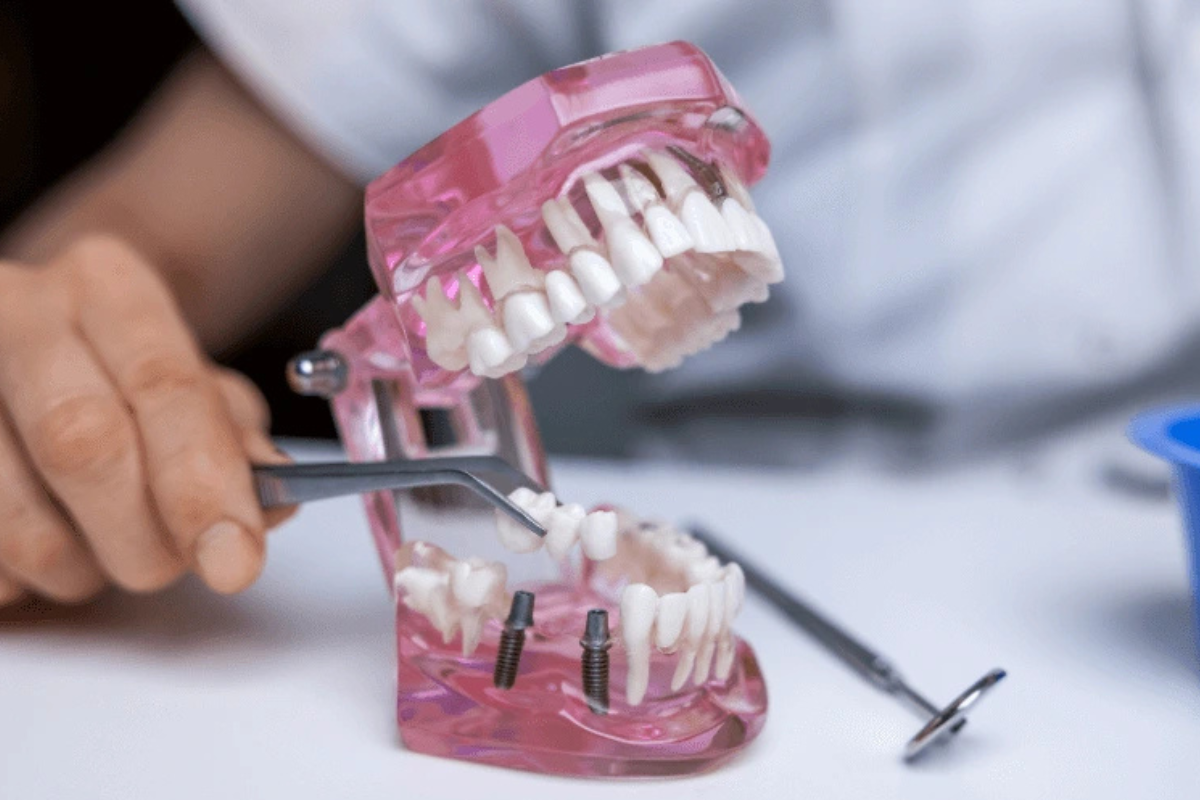
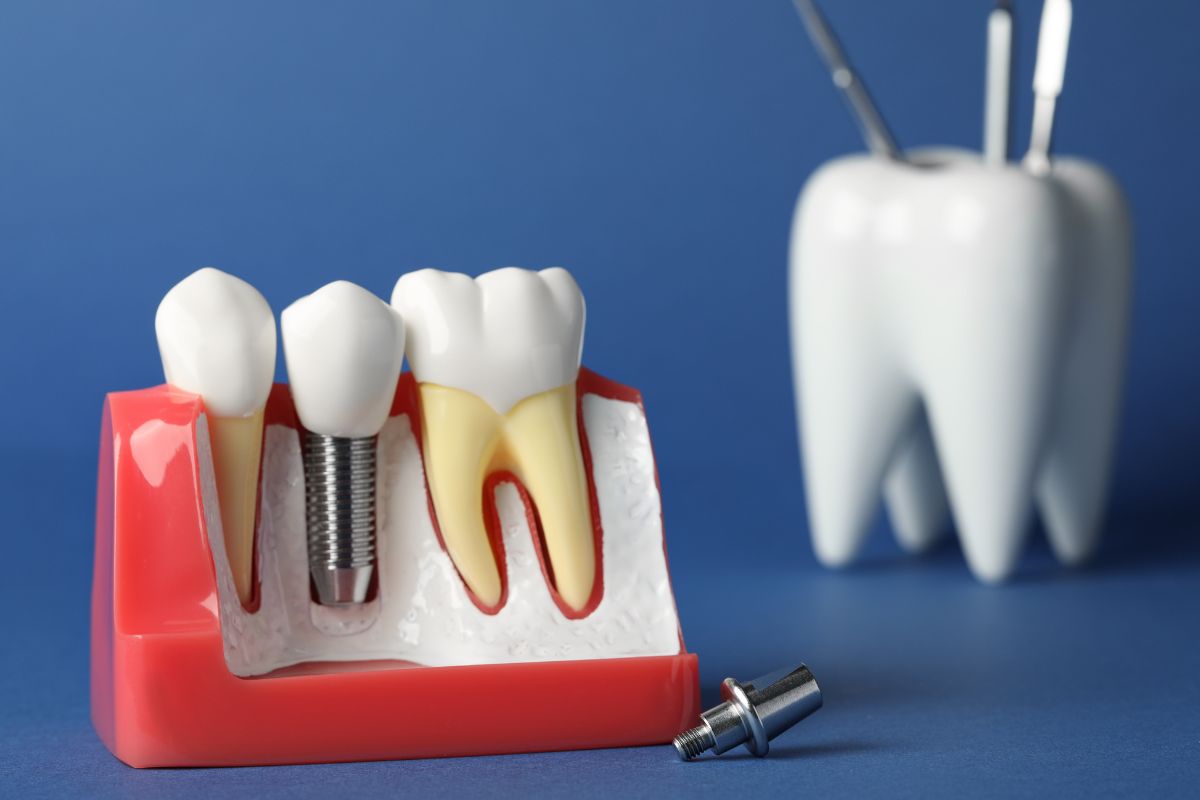
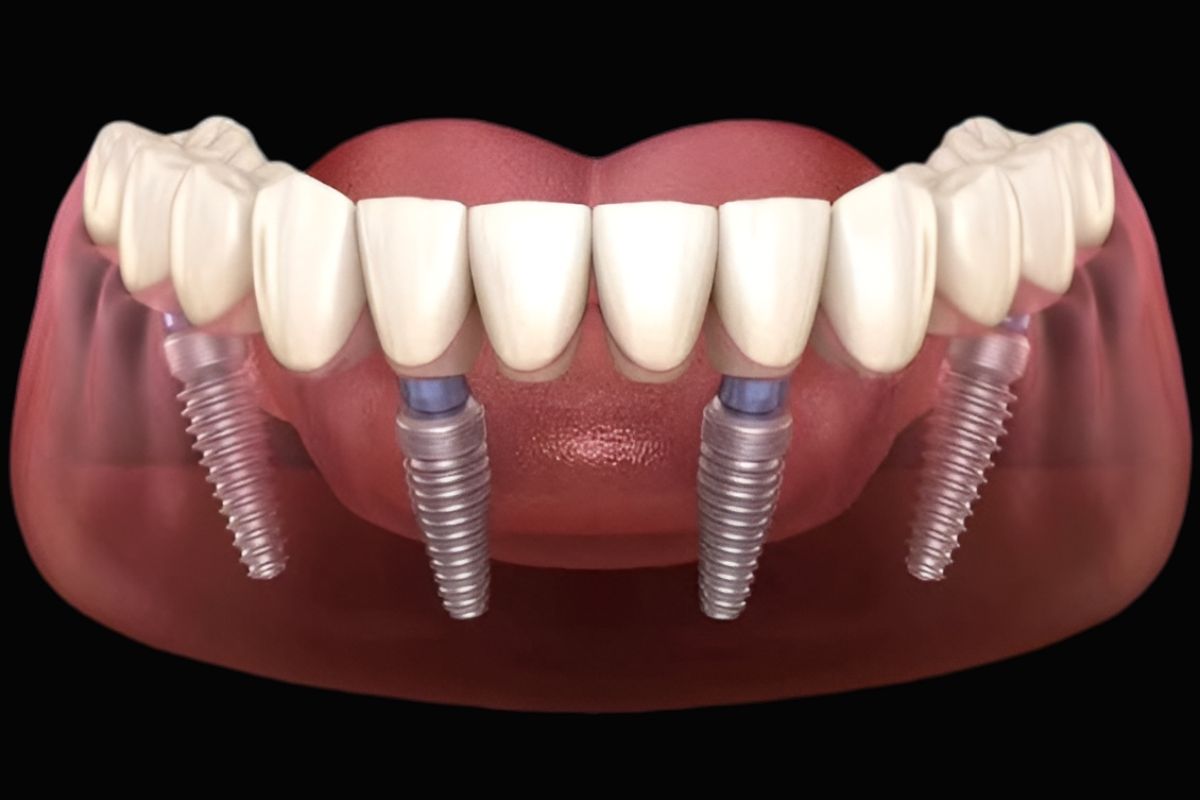
Once the imaging and clinical exams are complete, the dentist creates a step by step plan tailored to the patient’s goals. This includes selecting the best full arch option whether it is an implant retained bridge, a fixed implant system or a removable implant supported solution.
Patients in Lakeland appreciate clear explanations of each option since lifestyle, comfort expectations and maintenance preferences all play a role. The dentist also determines how many implants are required, the ideal position for each fixture and how they will support the final teeth. Careful planning makes it easier to achieve natural looking results that enhance both function and appearance.
Creating a Smile That Fits the Patient’s Facial Features
A customized implant plan would not be complete without considering aesthetics. The dentist evaluates facial shape, lip position, bite alignment and natural smile patterns to design the new teeth. This is an important step because full mouth implants are meant to restore confidence and provide natural expression.
Patients often share old photos or examples of smiles they admire. This helps the dentist design tooth shape, color and arrangement so the final smile suits the patient’s features. In a close-knit community like Lakeland, patients value a smile that reflects who they are rather than something that appears artificial.
Planning the Surgical Phase and Temporary Restoration
The surgical phase is planned with accuracy using digital guides and detailed measurements. These guides help ensure that implants are placed at stable angles with minimal discomfort. The dentist also prepares temporary teeth that patients will wear while the implants heal. This allows them to speak, eat soft foods and maintain a normal appearance during the healing process.
Clear pre-treatment and post-treatment instructions are part of the plan as well. They support healing and help patients understand what to expect at every stage.
Transitioning to the Final Teeth and Long-Term Maintenance
A full mouth implant plan also outlines when the final set of teeth will be placed. Once the implants have fused with the bone, the dentist designs and fits the permanent teeth. They are customized to the patient’s bite and facial characteristics and are built to last with proper care.
Follow-up visits allow the dentist to monitor progress, make small adjustments and maintain the health of the implants. Many patients in Lakeland appreciate this ongoing support because it gives them confidence in the longevity of their new smile.
Conclusion
A personalized full mouth implant plan involves careful assessment, advanced imaging, thoughtful design and a clear understanding of the patient’s expectations. By evaluating bone support, oral health and aesthetic preferences, a dentist can create a detailed roadmap that leads to a stable, functional and natural-looking smile. Patients in Lakeland benefit from this individualized approach because it ensures comfort, safety and long-term results.
If you want to learn more about full mouth dental implants and the planning involved, you can schedule a consultation with Memphis Dentures and Implants. A personalized evaluation will help you understand the best way to restore your smile with long-lasting confidence.
FAQs
What are full mouth dental implants?
Full mouth dental implants are a solution for patients who need to replace most or all of their teeth. They involve placing multiple implants in the jaw to support a full set of prosthetic teeth that look, feel, and function like natural teeth.
How does a dentist determine if I am a good candidate for dental implants?
A dentist evaluates your oral health, jawbone density, gum condition, and overall medical history. Patients with healthy gums, sufficient bone support, and no untreated infections are typically considered good candidates for dental implants.
What is the first step in creating a customized implant plan?
The first step is a comprehensive evaluation of your oral and medical health, followed by digital imaging like 3D cone beam scans. This helps the dentist understand your jaw structure, bone density, and determine the best approach for implants.
How long does it take to complete full mouth dental implants?
The timeline varies depending on each patient’s condition, the need for bone grafting, and healing time. On average, the process can take several months from the initial evaluation to placing the final prosthetic teeth.
Will full mouth dental implants look natural?
Yes. A dentist designs the teeth to match your facial structure, bite, and smile. Customized implant planning ensures that the teeth look natural, are well-aligned, and enhance your overall appearance.