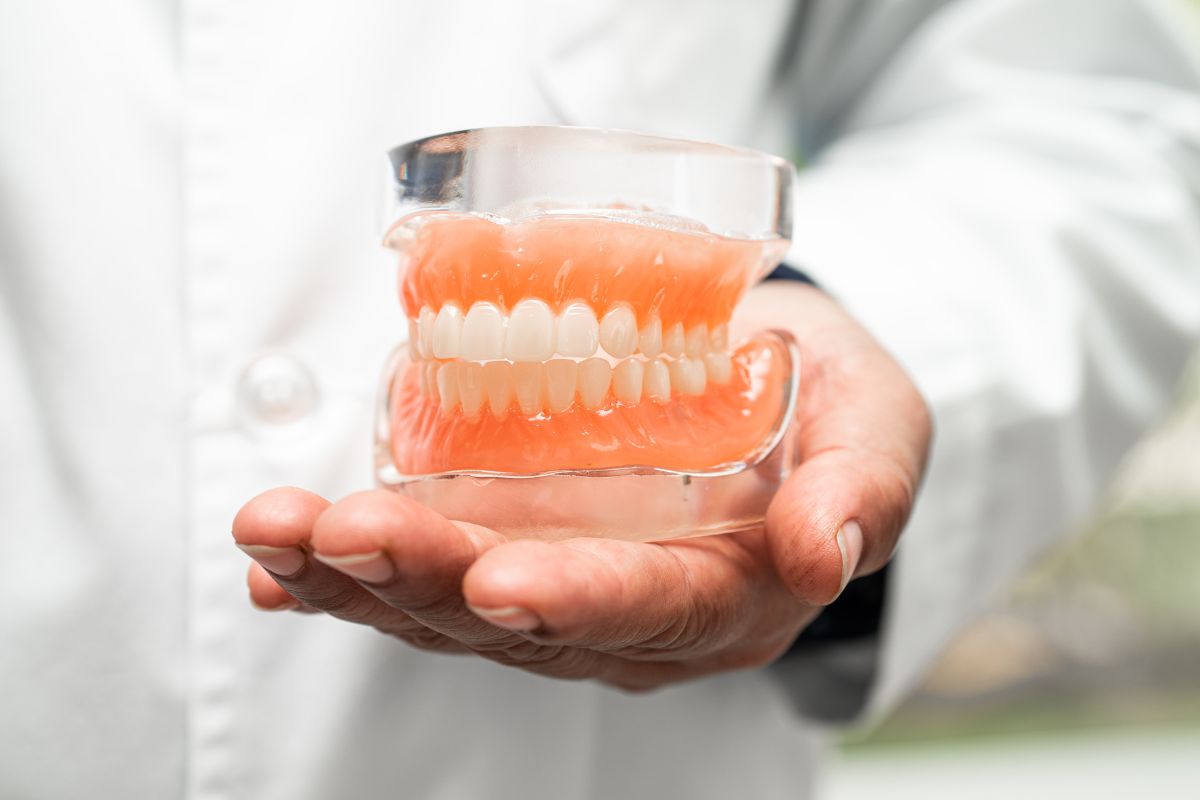
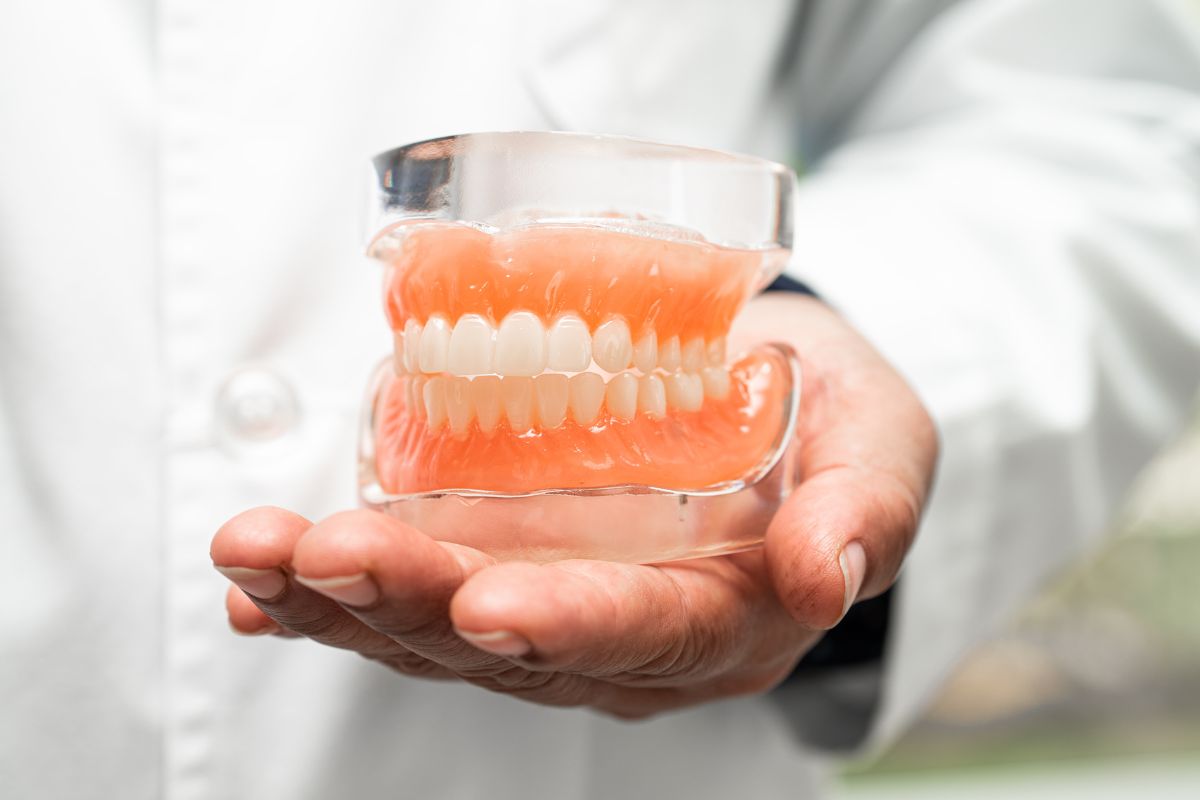
When traditional dentures do not fit properly, they can cause ongoing discomfort, difficulty eating, speech challenges, and long-term oral health concerns. Many patients in Lakeland experience these issues gradually and assume they are a normal part of wearing dentures. In reality, poorly fitting dentures are a common dental problem that should be professionally addressed to protect both oral function and overall well-being.
At Memphis Dentures and Implants, denture care is approached with a clinical understanding of how oral structures change over time and how proper fit directly affects comfort, health, and confidence.
Why Proper Denture Fit Is Essential for Oral Health
Traditional dentures are custom-made to rest securely on the gums and help restore basic daily functions after tooth loss. However, the mouth is not static. Over time, the jawbone naturally shrinks, and the gum tissue changes shape. These changes are especially common in patients who have worn dentures for several years.
When dentures no longer match the contours of the mouth, they can shift, rub, or apply uneven pressure. From a dental perspective, this instability places stress on the soft tissues and underlying bone, leading to avoidable complications if left untreated.
Common Problems Caused by Ill-Fitting Dentures
1. Gum Irritation and Chronic Soreness
One of the most common problems associated with ill-fitting dentures is persistent gum irritation. Dentures that sit unevenly can create pressure points that inflame the gum tissue. This discomfort often worsens throughout the day and may discourage patients from wearing these dental adhesive consistently.
From clinical experience, this type of soreness is not something patients should ignore, as ongoing irritation can weaken gum tissue and increase sensitivity over time.
2. Mouth Sores and Increased Risk of Infection
When dentures rub against the same areas repeatedly, sores can form along the gums or inside the cheeks. These sore spots create openings where bacteria or yeast can thrive, increasing the risk of oral infections.
Dentists frequently see these issues in patients who rely on over-the-counter adhesives instead of addressing the underlying fit problem. Proper evaluation helps prevent infections that could otherwise interfere with healing and comfort.
3. Difficulty Chewing and Nutritional Concerns
Stable dentures play an important role in chewing efficiency. Loose dentures make it difficult to break down food properly, causing many patients to avoid tougher or healthier options such as fresh vegetables, fruits, and proteins.
Over time, limited food choices may affect digestion and nutritional intake. Clinically, dentists recognize that chewing difficulty is often an early sign that the dental adhesive no longer fits as intended.
4. Speech Changes and Social Discomfort
Speech relies on proper tongue placement and denture stability. When dentures shift during conversation, patients may notice slurred words or clicking sounds. These speech changes often lead to embarrassment and reduced confidence in social or professional settings.
A properly fitted denture allows for more natural speech patterns and helps patients communicate comfortably without constant awareness of their dentures.
5. Jawbone Loss and Facial Changes
One of the less visible but more serious concerns with poorly fitting traditional dentures is jawbone loss. Dentures rest on the gums and do not stimulate the jawbone the way natural teeth do. When these dental adhesives fit poorly, uneven pressure can accelerate bone shrinkage.
As bone loss progresses, facial features may appear sunken, and future denture fitting becomes more challenging. This is also often the time when dentists begin discussing whether it may be time you should consider replacing your dentures to maintain proper support and oral balance.
6. Headaches and Jaw Muscle Strain
Improper denture alignment can affect how the upper and lower jaws meet. This imbalance may strain jaw muscles, contributing to facial pain, tension headaches, or soreness around the ears and neck.
In many cases, patients are unaware that these symptoms are linked to denture fit rather than unrelated health concerns.
Why Denture Fit Changes Over the Years
Even high-quality dentures require maintenance. Natural bone remodeling continues throughout life, especially after tooth loss. Regular dental evaluations allow dentists to assess fit changes early and recommend relines, adjustments, or replacements when necessary.
Patients in the Lakeland area often benefit from routine denture checkups, as early care helps prevent minor fit issues from turning into significant discomfort.
Conclusion
If your dentures feel uncomfortable or no longer function the way they once did, a professional evaluation can help identify the cause. The experienced dental team at Memphis Dentures and Implants provides patient-focused denture care designed to support long-term oral health and comfort.
Scheduling a consultation allows you to take an informed step toward improving fit, function, and confidence in your daily life.
FAQs
How can I tell if my traditional dentures do not fit properly?
Common signs include soreness on the gums, dentures slipping while eating or talking, difficulty chewing certain foods, and frequent use of denture adhesive without lasting improvement. If your dentures feel loose or uncomfortable, it is a strong indication that the fit has changed.
Is discomfort normal when wearing traditional dentures?
Mild discomfort may occur when dentures are first placed, but ongoing pain is not normal. Persistent soreness or irritation usually means the dentures no longer fit correctly and should be evaluated by a dentist.
Can poorly fitting dentures cause gum infections?
Yes. Dentures that rub against the gums can create sore spots that allow bacteria or yeast to grow. Over time, this can lead to infections that affect gum health and overall comfort.
Why do dentures become loose over time?
Dentures become loose because the jawbone naturally shrinks after tooth loss. This gradual bone loss changes the shape of the mouth, causing dentures to lose their original fit even if they were made correctly at first.
Can ill-fitting dentures affect the way I speak?
Yes. Dentures play an important role in speech. When they shift or move, they can cause slurred words or clicking sounds, making speaking uncomfortable or embarrassing for some patients.