The recovery time after full mouth dental implants usually ranges from three to six months for complete healing, although most patients return to daily activities within a few days. Early healing happens in the first one to two weeks, while the jawbone continues to fuse with the implant posts over several months. Patients exploring dental implants often want a clear timeline, especially when planning for work, meals, and normal routines after surgery.
Understanding how recovery works can help you prepare and heal more comfortably. Below is a detailed look at each stage of healing and what you can expect from full mouth dental implants treatment in Lakeland.
Understanding Full Mouth Dental Implants Recovery
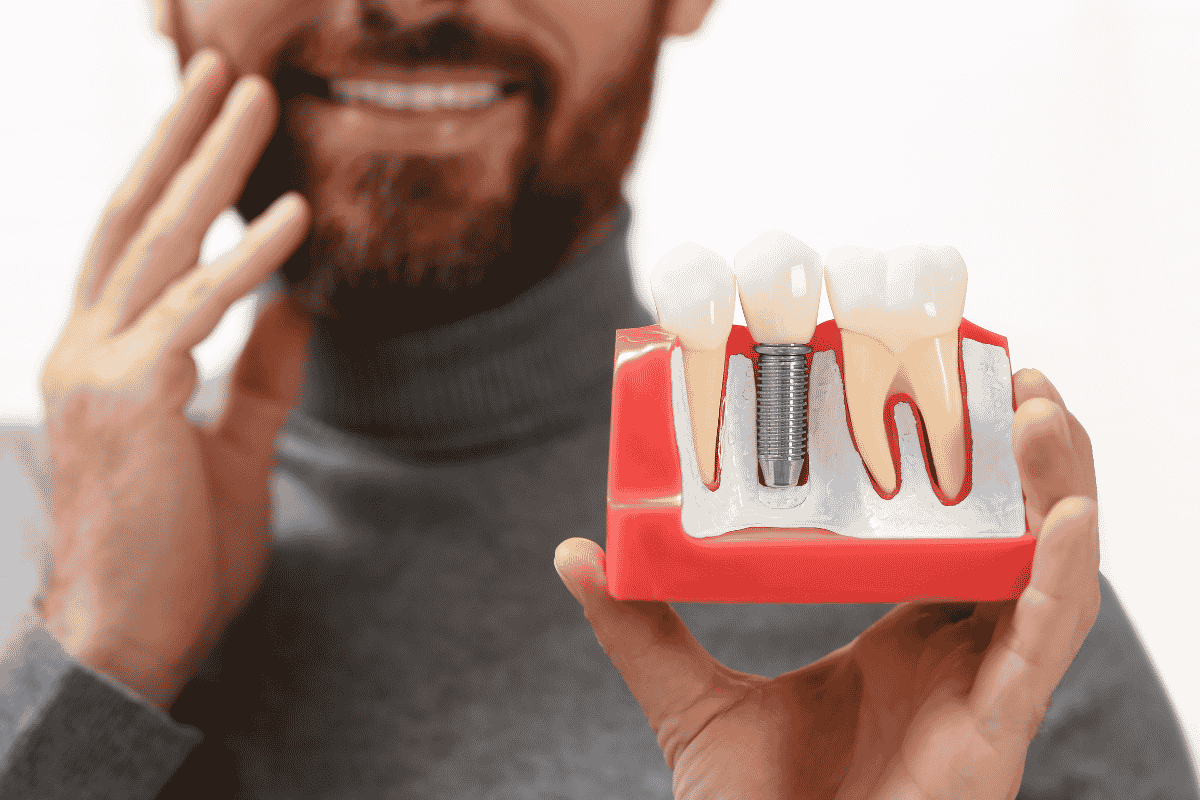
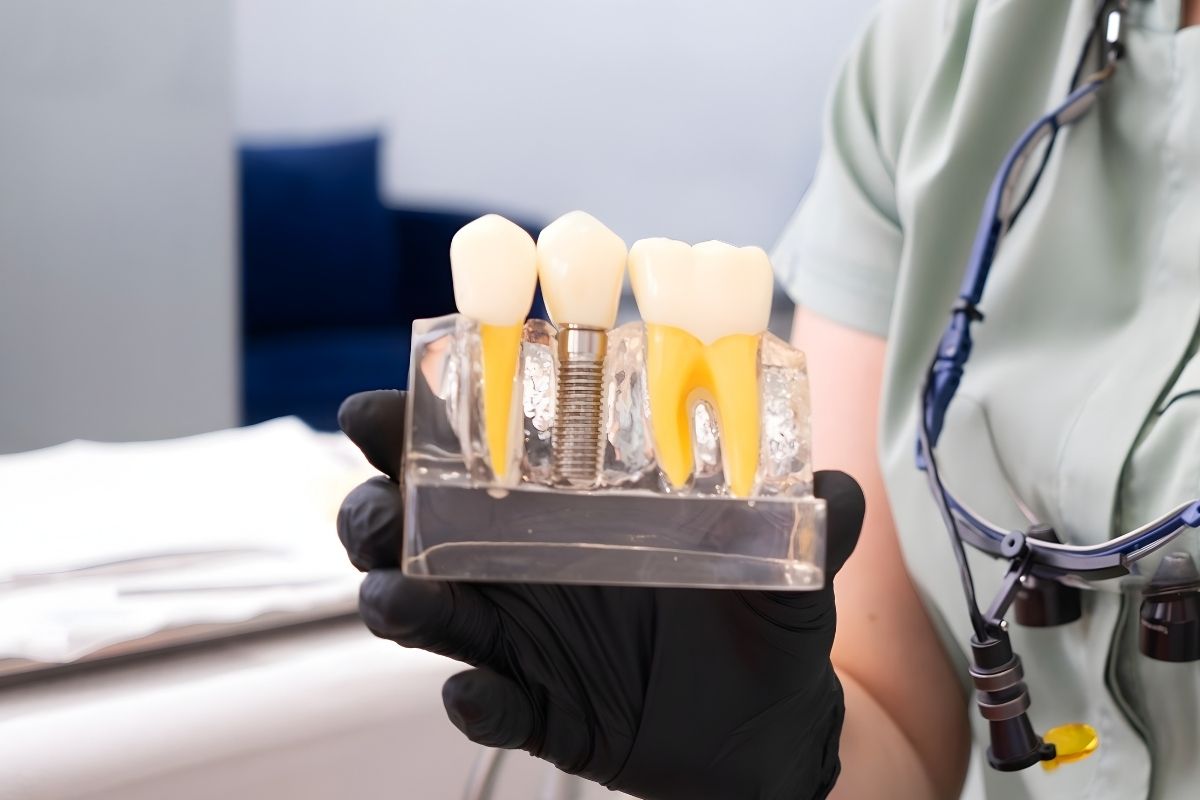
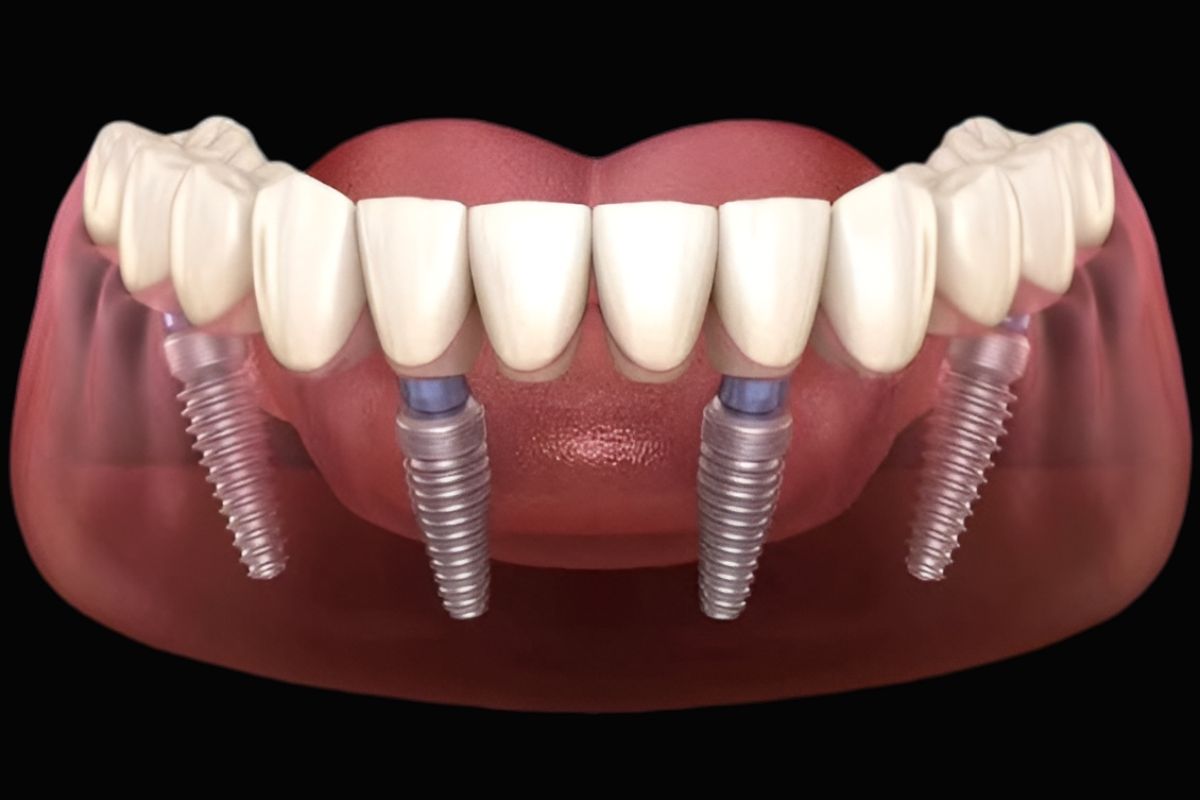
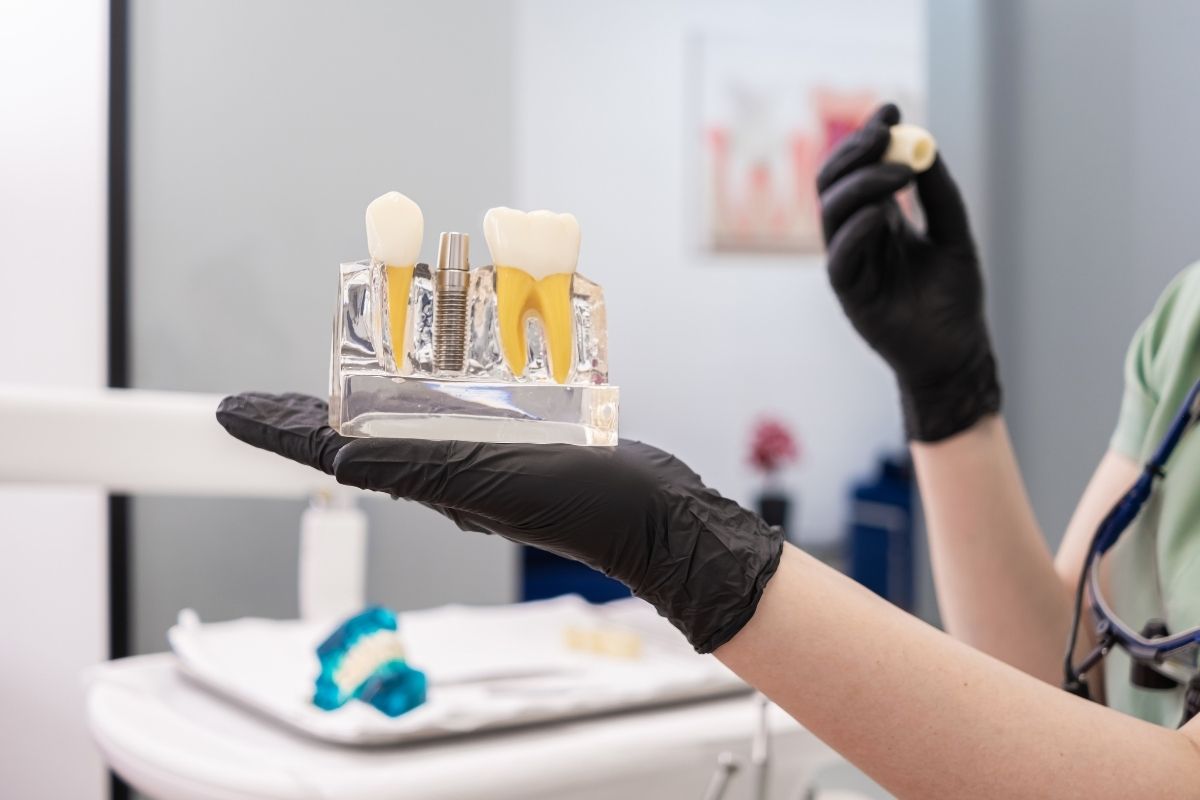
Full mouth dental implants replace an entire arch of missing teeth using implant posts that anchor into the jawbone. These posts act like tooth roots and support a fixed restoration. Because the implants must bond with bone, healing takes time. However, many patients receive temporary teeth during the process, allowing them to smile and eat soft foods while recovery continues.
Unlike traditional dentures, this type of implant dentistry focuses on long term stability. The recovery period is designed to allow the implants to integrate properly so the final teeth feel secure and natural.
The First Few Days After Surgery
The first seventy two hours are when swelling and mild discomfort are most noticeable. This is a normal part of healing and usually improves quickly. Most patients describe the experience as manageable and easier than expected.
During this time, your dentist may recommend soft foods, rest, and gentle oral care. It is important to avoid chewing hard foods because they can place pressure on the implants before they stabilize. Many patients also receive guidance about foods that may irritate surgical areas, including items that could interfere with healing and foods that may harm dental implants during recovery, such as crunchy snacks, tough meats, and sticky candy.
Most individuals return to light activities within one to three days. If your job is physically demanding, you may need a little more time before resuming full activity.
The First Two Weeks of Healing
During the first two weeks, the gums begin to heal around the implant posts. Swelling continues to decrease and soreness fades. You may gradually move from liquids to soft foods like eggs, pasta, yogurt, and cooked vegetables.
This phase is important because the soft tissue is forming a protective seal around each dental implant. Even if you feel better, the implants are still stabilizing beneath the gums. Avoid biting into hard foods too early. Follow up visits are usually scheduled during this period to check healing and make small adjustments if temporary teeth were placed.
The Osseointegration Phase
The longest stage of recovery is called osseointegration. This is when the implant posts fuse with the jawbone. This bonding process creates a stable base for your final teeth. This phase typically lasts three to six months. Lower jaw implants often heal slightly faster than upper jaw implants. If bone grafting was required, healing may take longer.
During this time, most patients function normally with temporary teeth. You can speak clearly, smile confidently, and enjoy soft to moderate foods while your implants continue to strengthen. Patients who choose full mouth dental implants treatment in Lakeland often appreciate that most of this healing happens quietly in the background while they continue their everyday routine.
Final Teeth Placement
Once osseointegration is complete, your dentist places the permanent restoration. This step is usually simple and does not involve major surgery. The final teeth are designed to match your smile, improve chewing ability, and provide long lasting comfort.
After this stage, patients can gradually return to a wider variety of foods. Your bite will feel stable and natural, similar to real teeth.
Factors That Affect Recovery Time
Every patient heals differently. Several factors can influence how long recovery takes after dental implants.
- Bone density plays an important role. Strong jawbone support helps implants integrate faster.
- Overall health also matters. Conditions such as diabetes may slow healing.
- Smoking can delay recovery and increase complications.
- Oral hygiene supports proper healing and long term implant success.
- Number of implants placed may slightly affect recovery time.
Your dentist evaluates these factors and creates a personalized treatment plan to support smooth healing.
What to Expect During the Recovery Timeline
Here is a general overview of the healing process.
- Days one through three involve mild swelling and rest.
- Week one shows noticeable improvement and reduced discomfort.
- Week two brings gum healing and return to normal daily activities.
- Month one allows stable function with temporary teeth.
- Months three to six complete bone integration.
- Final stage includes placement of permanent teeth.
This timeline helps patients understand what happens after implant dentistry and when they can expect full results.
Tips to Support Faster Healing
Patients who follow post procedure instructions often recover more comfortably. Simple steps can make a big difference.
- Choose soft and nutritious foods
- Avoid smoking during healing
- Keep the mouth clean with gentle brushing
- Attend follow up appointments
- Stay hydrated
- Avoid chewing ice or hard snacks
These habits protect your dental implant and support long term success.
Are Full Mouth Dental Implants Worth the Recovery
Although the recovery takes several months, the benefits are long lasting. Full mouth dental implants provide stability, improved chewing ability, and a natural appearance. They also help maintain jawbone health and prevent the shifting that often occurs with traditional dentures.
Most patients find that the short term healing period is manageable, especially since they can continue normal daily life during much of the process.
Conclusion
Recovery after full mouth dental implants typically takes three to six months, with the most noticeable healing occurring in the first two weeks. The remaining time allows the implants to bond with the jawbone and create a strong foundation for permanent teeth. With proper care, patients can return to daily routines quickly while long term healing continues. Understanding each stage helps set realistic expectations and supports a smooth experience from start to finish.
If you are considering dental implants and want to understand your recovery timeline, Memphis Dentures and Implants can help you plan the next steps. Scheduling a consultation allows you to learn about your options, expected healing time, and whether implant dentistry is right for your needs.
FAQs
When can I return to work after full mouth dental implants?
Many patients return to desk jobs within one to three days. If your job involves physical activity, your dentist may recommend waiting a few more days to avoid pressure on the implant sites.
Can I eat normally after full mouth dental implants?
You will need to follow a soft food diet at first. As healing progresses, you can gradually introduce more foods. Hard or sticky foods should be avoided until your dentist confirms the implants are stable.
Is recovery painful after dental implants?
Most patients experience mild soreness and swelling for a few days. Discomfort is usually manageable with recommended medication and improves quickly as healing continues.
How long does swelling last after full mouth dental implants?
Swelling typically peaks within forty-eight hours and improves over the next few days. Most swelling disappears within one week.
What foods should I avoid during dental implant recovery?
Avoid crunchy snacks, hard bread, nuts, sticky candy, and tough meats. These foods can put pressure on the implants and slow healing.