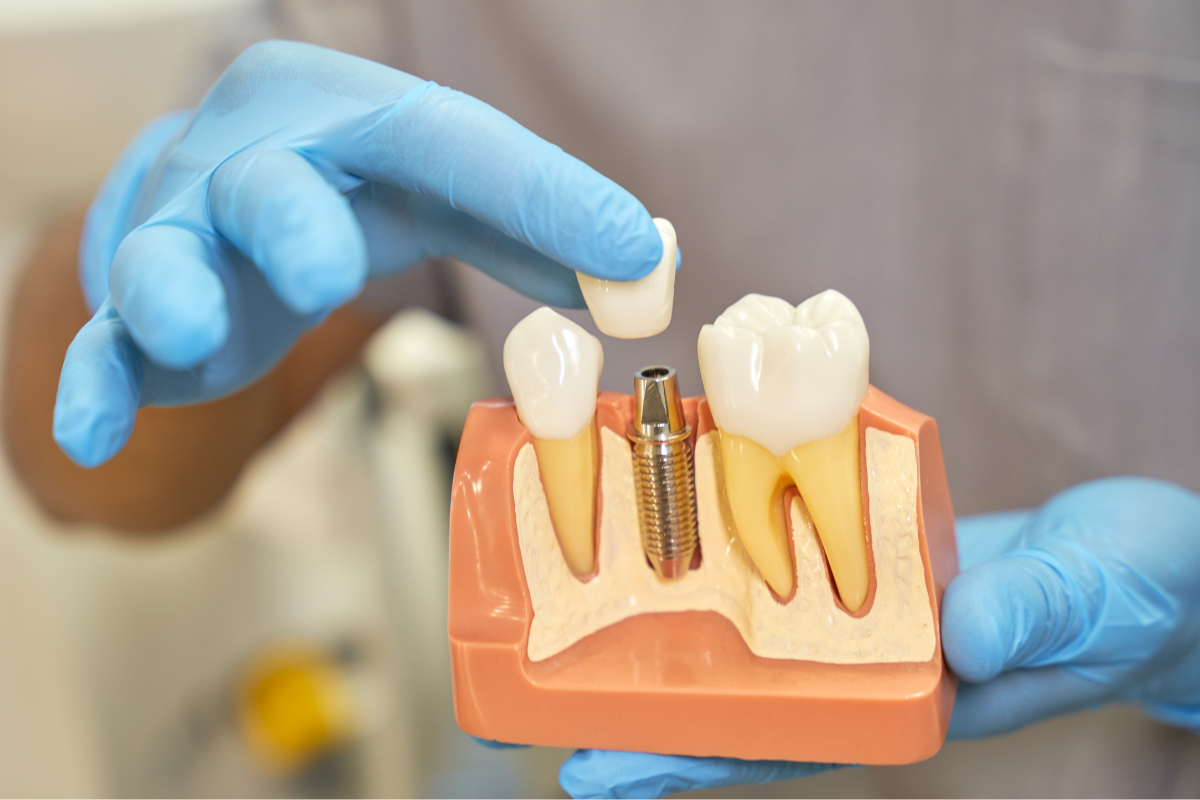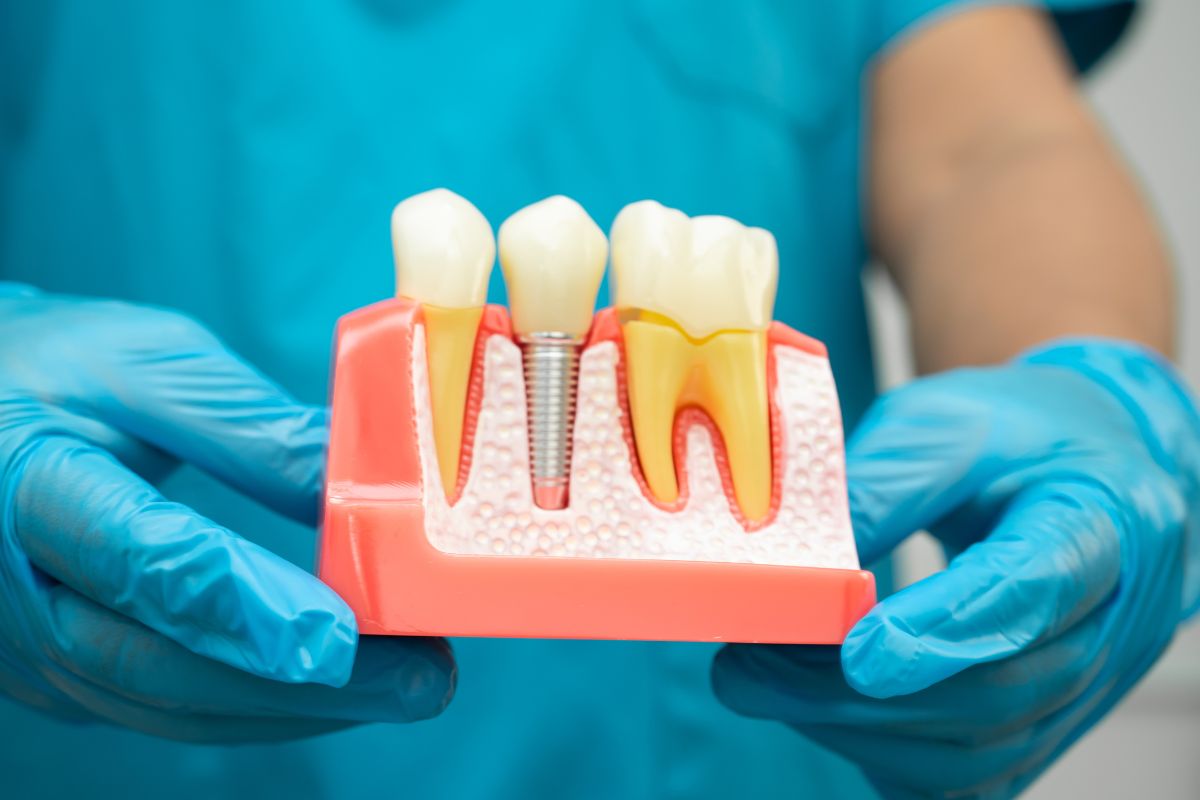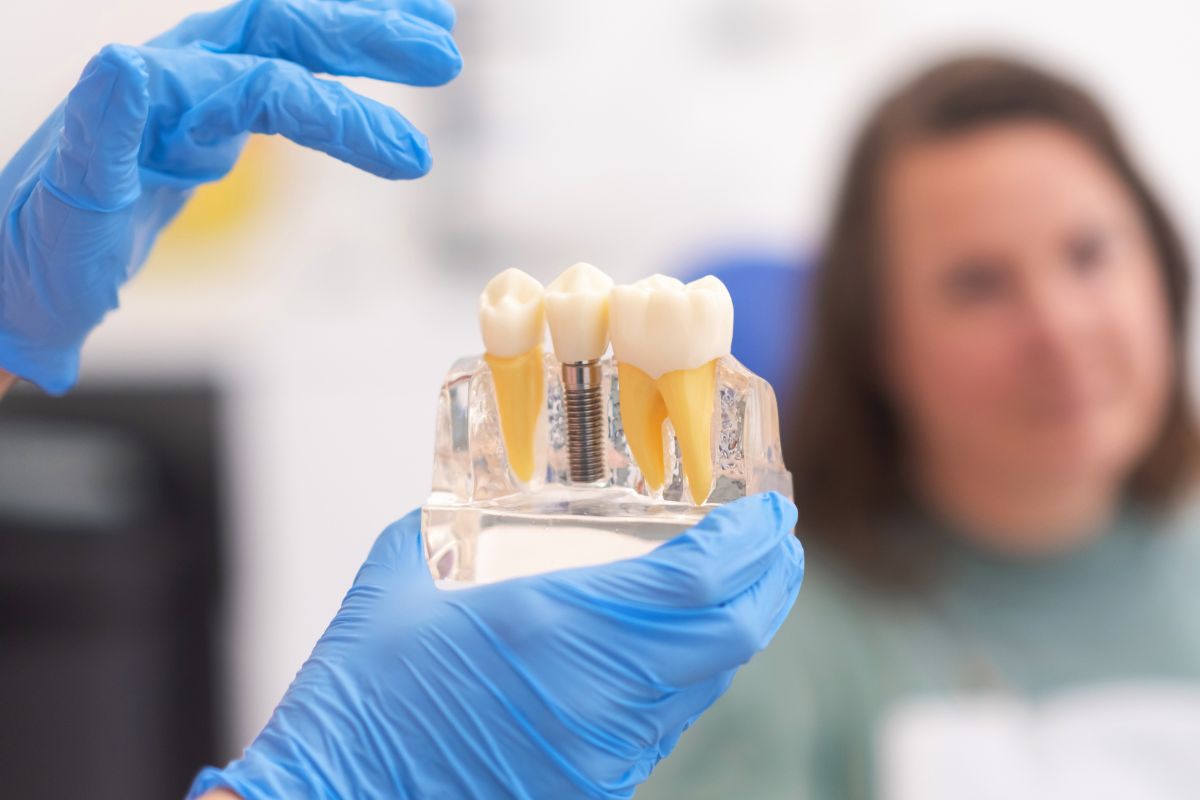
Living with diabetes does not automatically mean you have to give up the idea of replacing missing teeth with dental implants. Thanks to modern dentistry and careful treatment planning, many people with diabetes successfully receive dental implants and enjoy long-lasting results. The key is making sure your overall health and blood sugar levels are well managed before treatment begins.
If you are considering dental implant treatment, understanding how diabetes affects your oral health and healing process can help you make an informed decision. Working with an experienced dental implant provider allows you to receive personalized care that supports both your oral health and your overall well-being. At Memphis Dentures and Implants, we carefully evaluate every patient to determine whether dental implants are the right solution based on their unique health needs.
How Does Diabetes Affect Your Oral Health?
Diabetes affects the body’s ability to regulate blood sugar, which can influence many aspects of your health, including your mouth. When blood glucose levels remain elevated for long periods, the body may have a harder time fighting infection and repairing damaged tissues.
People with uncontrolled diabetes may experience oral health concerns such as:
- Increased risk of gum disease
- Slower healing after dental procedures
- Dry mouth
- Greater chance of oral infections
- Bone loss caused by advanced periodontal disease
These issues can make tooth loss more common among diabetic patients. Fortunately, replacing missing teeth with dental implants is still possible when diabetes is properly managed.
Can People with Diabetes Receive Dental Implants?
Yes. In many cases, people with diabetes are excellent candidates for dental implants. Years ago, diabetes was often considered a significant obstacle to implant treatment. However, advances in implant technology, surgical techniques, and medical research have changed that perspective.
Patients whose diabetes is well controlled generally experience implant success rates that are similar to those without diabetes. Careful planning, ongoing communication between your healthcare providers, and good oral hygiene all contribute to positive outcomes. If your diabetes is not currently well controlled, your dentist may recommend improving your blood sugar management before beginning treatment. This extra step helps create a healthier environment for proper healing and long-term implant success.
Why Blood Sugar Control Is So Important
Dental implants depend on a natural healing process known as osseointegration, where the implant fuses with the jawbone to create a stable foundation for the replacement tooth.
Consistently high blood sugar can interfere with this process by:
- Slowing tissue healing
- Increasing inflammation
- Reducing the body’s ability to fight bacteria
- Raising the risk of infection after surgery
Maintaining healthy blood sugar levels before and after implant placement gives your body the best opportunity to heal properly. Your dentist may also work alongside your primary care physician or endocrinologist to ensure your diabetes is stable throughout treatment.
Factors Your Dentist Will Evaluate Before Treatment
Every patient is different. Rather than making recommendations based only on a diabetes diagnosis, your dentist will perform a comprehensive evaluation to determine whether implants are appropriate.
Some of the most important considerations include:
Blood Sugar Stability
One of the first things your dentist will consider is how well your diabetes is being managed. Patients with stable blood sugar levels generally heal more predictably and experience fewer complications during recovery.
Gum Health
Healthy gums provide essential support for dental implants. If gum disease is present, it will typically need to be treated before implant surgery to reduce the risk of future complications.
Jawbone Quality
Dental implants require adequate bone to remain secure. If bone loss has occurred due to missing teeth or periodontal disease, procedures such as bone grafting may be recommended before implant placement.
Overall Medical History
Certain medications, health conditions, and lifestyle habits can influence healing after implant surgery. Your dentist will review your complete medical history to develop the safest treatment plan possible.
Oral Hygiene Habits
Good brushing, flossing, and regular dental visits play an important role in protecting dental implants. Patients who are committed to maintaining excellent oral hygiene often enjoy better long term outcomes.
Does Diabetes Increase the Risk of Implant Failure?
While uncontrolled diabetes may increase the likelihood of complications, having diabetes alone does not mean your implants will fail.
Most implant complications are related to factors such as:
- Poor blood sugar control
- Untreated gum disease
- Smoking
- Inadequate oral hygiene
- Failure to attend regular follow up appointments
When these risk factors are addressed, many diabetic patients enjoy successful implants for decades.
An experienced dental implant provider in Lakeland will closely monitor your healing throughout every stage of treatment and provide personalized instructions to help protect your investment.
Tips for Successful Healing with Diabetes
A successful recovery after dental implant surgery starts with following your dentist’s instructions and keeping your diabetes under control. Taking a few extra precautions can help your implants heal properly and support long-term success.
Keep Your Blood Sugar Within Your Target Range
Stable blood sugar levels promote faster healing and reduce the risk of infection. Continue following your healthcare provider’s recommendations for medication, diet, and exercise before and after your procedure.
Practice Excellent Oral Hygiene
Keeping your mouth clean is essential during the healing process. Brush gently around the surgical site, floss as directed, and use any prescribed antimicrobial mouth rinse to reduce bacteria and support healthy gums.
Attend Every Follow Up Appointment
Routine follow-up visits allow your dentist to monitor healing and address any concerns before they become larger problems. These appointments are an important part of ensuring your implants integrate successfully with your jawbone.
Avoid Tobacco Products
Smoking and other tobacco use can interfere with healing, reduce blood flow to the gums, and increase the likelihood of implant complications. Quitting or avoiding tobacco during recovery can significantly improve your results.
Eat a Nutritious Diet
Choose soft, nutrient-rich foods while your mouth heals. A balanced diet supports tissue repair and helps maintain healthy blood sugar levels throughout the recovery process.
Follow Your Dentist’s Instructions Carefully
Every patient heals differently. Taking medications as prescribed, avoiding strenuous activity immediately after surgery, and following all post-operative instructions can help ensure a smooth recovery.
Benefits of Dental Implants for Diabetic Patients
When diabetes is well managed, dental implants offer many of the same advantages enjoyed by other patients. They provide a dependable, long-lasting solution for replacing missing teeth while supporting overall oral health.
Some of the key benefits include:
Restores Comfortable Chewing
Dental implants function much like natural teeth, allowing you to enjoy a wider variety of foods with greater comfort and confidence.
Preserves Jawbone Health
Unlike traditional tooth replacement options, implants stimulate the jawbone, helping reduce bone loss that often follows tooth loss.
Supports Better Oral Health
Because implants do not rely on neighboring teeth for support, they help preserve the natural tooth structure while making it easier to maintain good oral hygiene.
Provides a Natural Appearance
Implants are designed to blend seamlessly with your smile, giving you a replacement tooth that looks, feels, and functions like a natural tooth.
Offers Long Lasting Results
With proper care, regular dental visits, and healthy diabetes management, dental implants can provide reliable results for many years.
If you are considering dental implant treatment in Lakeland, partnering with an experienced dental implant provider can help you receive personalized care that supports lasting success.
Conclusion
Having diabetes does not automatically prevent you from receiving dental implants. For many patients with well-controlled blood sugar, dental implants are a safe and predictable way to restore missing teeth and improve overall quality of life. The first step is a comprehensive evaluation to determine your oral health, bone condition, and overall medical status. From there, your dentist can create a treatment plan tailored to your individual needs and health goals.
At Memphis Dentures and Implants, we understand that every patient is unique. Our team provides personalized dental implant treatment in Lakeland, using advanced technology and careful treatment planning to help patients with diabetes achieve healthy, confident smiles. If you’re ready to explore your tooth replacement options, schedule a consultation with our experienced dental implant provider and learn whether dental implants are right for you.
FAQs
Can people with Type 2 diabetes safely receive dental implants?
Yes. Many people with Type 2 diabetes successfully receive dental implants when their blood sugar is well controlled. Your dentist will evaluate your overall health before recommending treatment.
Does diabetes increase the healing time after dental implant surgery?
Diabetes can slow healing if blood sugar levels are not properly managed. Following your dentist’s instructions and maintaining good glucose control can help support a healthy recovery.
What A1C level is recommended before getting dental implants?
While recommendations vary from patient to patient, dentists generally prefer to see diabetes reasonably well controlled before implant surgery. Your dentist may coordinate with your physician to determine whether you’re ready for treatment.
How can I improve the success of my dental implants if I have diabetes?
Maintaining stable blood sugar, practicing excellent oral hygiene, attending regular dental visits, avoiding tobacco, and following all post-operative instructions can significantly improve implant success.
Where can I receive dental implant treatment in Lakeland?
If you’re looking for personalized dental implant treatment in Lakeland, Memphis Dentures and Implants offers comprehensive evaluations and customized treatment plans to help restore your smile with long-lasting dental implants.