Do you know that even losing one tooth can affect your oral health? This is why dentists often recommend getting a replacement to avoid further dental complications. Several options are available at the clinic, ranging from dental implants to bridges. Deciding which prosthetic type can reverse bone resorption and replace your single tooth is not always simple. Read this blog to understand whether bridges or single-tooth implants in Lakeland can meet your smile goals or dental needs.
Optimal Tooth Replacement: Why It’s Crucial for You
Losing a single tooth severely impacts your dental health, smile aesthetics, and chewing ability. An empty socket in the mouth can lead to speech issues, drifting of surrounding teeth, and more. According to the Centers for Disease Control and Prevention, one in seven persons in the United States who are 65 or older loses all teeth. Moreover, according to the reports from the National Institute of Dental and Craniofacial Research (NIDCR), around 2% of individuals between the ages of 20 and 64 are toothless. A fixed dental prosthetic or bridge helps preserve gum health and prevent misalignment due to this gap. Immediate teeth replacement is necessary to maintain bone integrity and dental function and avoid complex oral health problems.
What are Dental Implants?
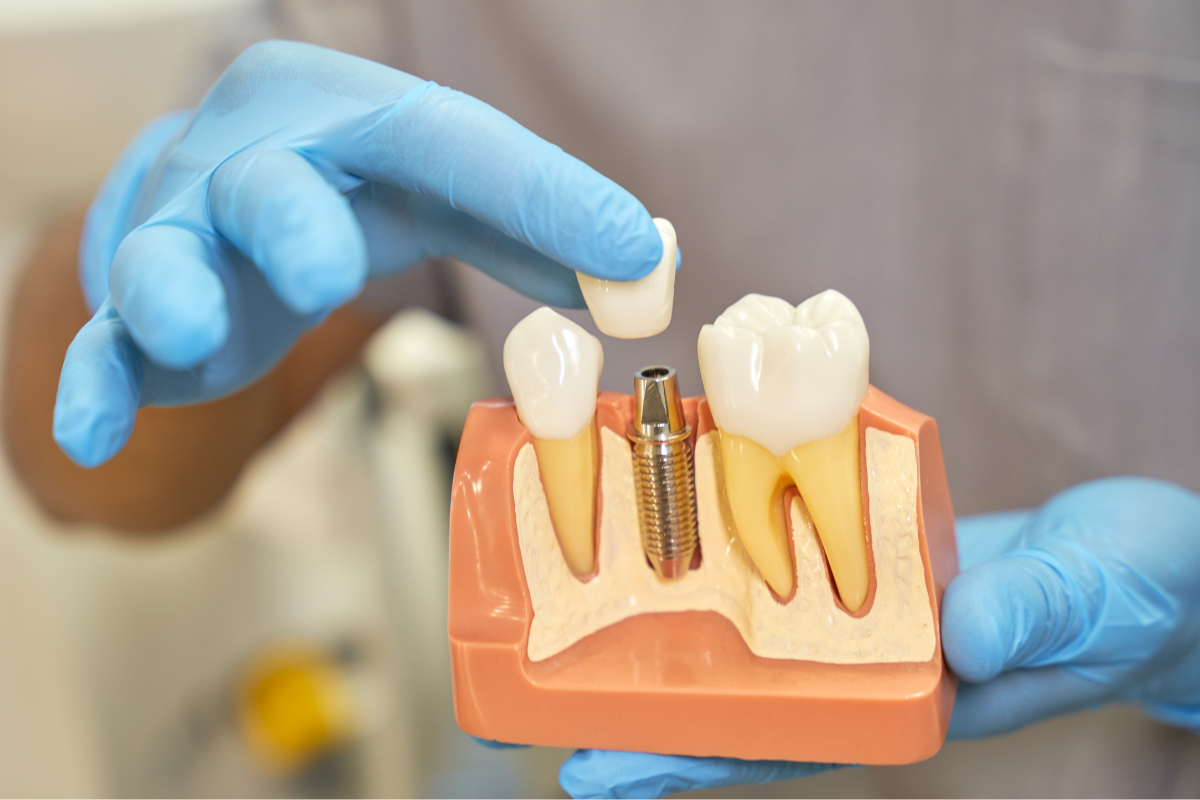
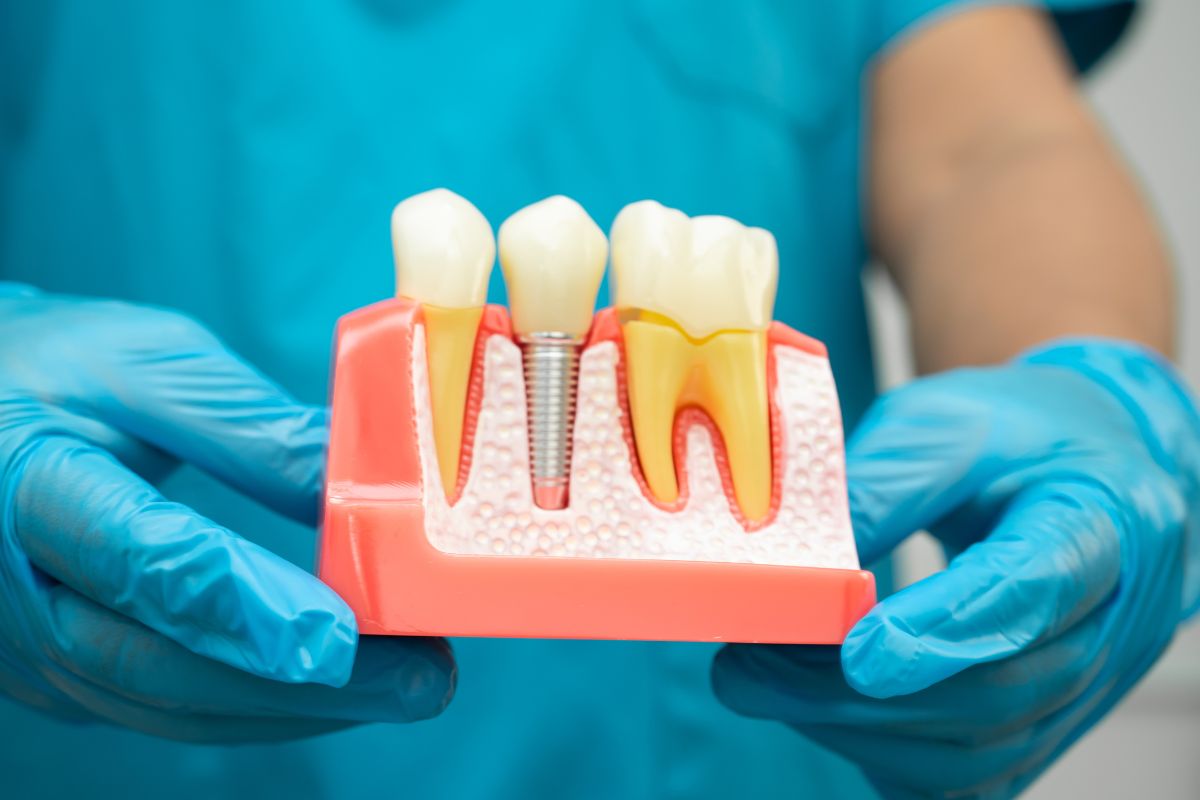
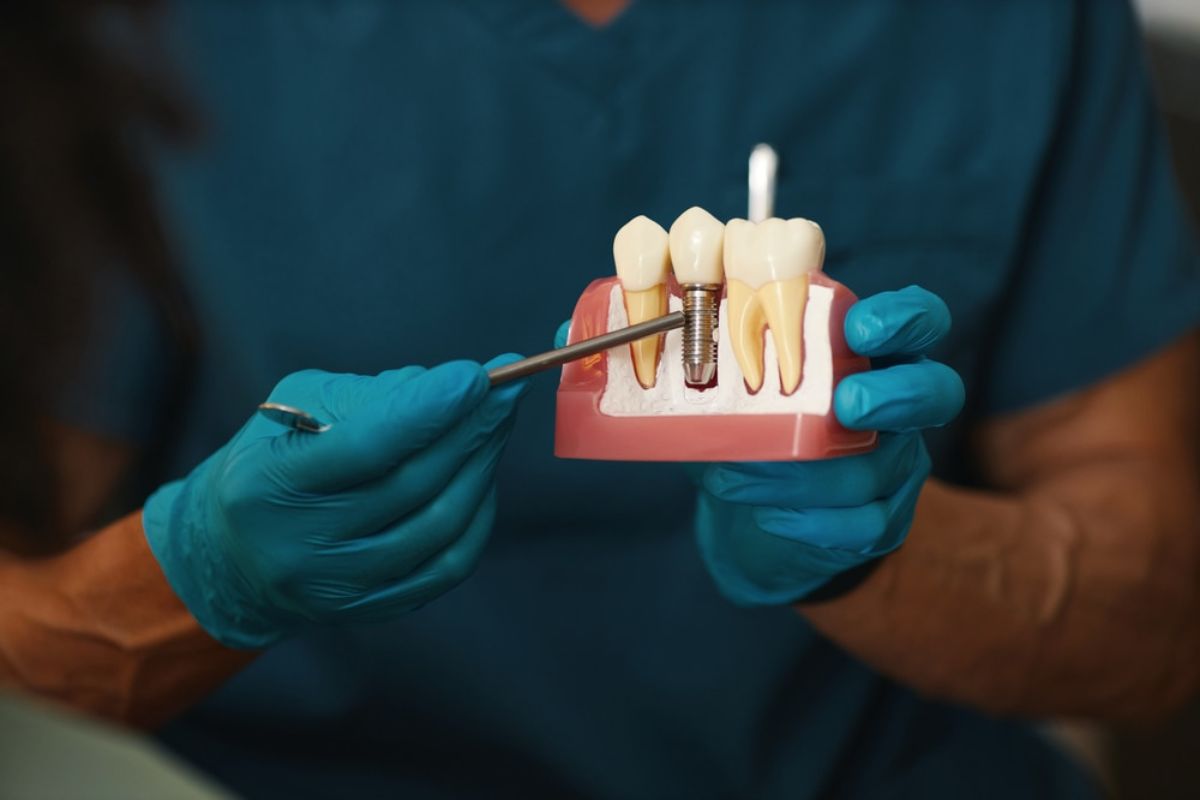
Dental implants are titanium-based artificial tooth roots surgically inserted into the mandible to replace lost teeth. The dentist surgically inserts the biocompatible post into the bone, allowing it to fuse gradually through osseointegration. A custom-made crown is affixed after the surgery site has healed, creating a long-lasting, realistic-looking tooth replacement. This procedure provides a permanent solution to combat the loss of one tooth or multiple teeth.
Why Implant Can Replace a Single Tooth Better?
If your dentist recommends replacing missing teeth with dental prosthetics, here’s why:
- Preserve Jawbone: A titanium post preserves your jaw and dental structure by halting bone loss surrounding the empty socket.
- No Preparation for Adjacent Teeth: Unlike bridges, permanent prosthetics do not require grinding or modifying neighboring healthy teeth to attach the replacement tooth securely.
- Natural look and Function: Dental prosthetics closely resemble natural teeth in both look and functionality.
- Long-Lasting Replacement: When inserted into your jawbone, a titanium post provides a strong foundation for a new crown or replacement tooth.
- Restores Bite Force: If not appropriately placed, a bridge can exhibit slippage risks, impacting the functionality of the bite and teeth. On the other hand, attaching the abutment and crown to an artificial tooth root helps restore an individual’s chewing ability.
Do Implants Outperform Bridges?
Longevity and maintaining the jawbone’s integrity help a dental implant perform better than a bridge when replacing a single tooth. Dental prosthetics provide long-lasting stability without compromising neighboring teeth, just like natural teeth do. Although bridges are dependable and affordable, they need adjacent healthy teeth for additional support. Single-tooth implants in Lakeland are ideal for improved jawbone density, optimal protection for nearby teeth, and smile transformation.
Dental bridges and implants are reliable options for restoring lost teeth. Bridges can be a quicker and less expensive alternative to biocompatible tooth roots attached to custom crowns. However, these artificial teeth offer a more natural, durable, and bone-preserving solution for missing ones. You can always consult your dentist to weigh the features and benefits of both dental prosthetics carefully.
Looking for a natural-looking replacement for your missing tooth or teeth? Contact Memphis Dentures and Implants, where we use advanced technology to attach abutments and crowns to stabilize your smile. Give us a call or book an appointment with our implant dentist now!